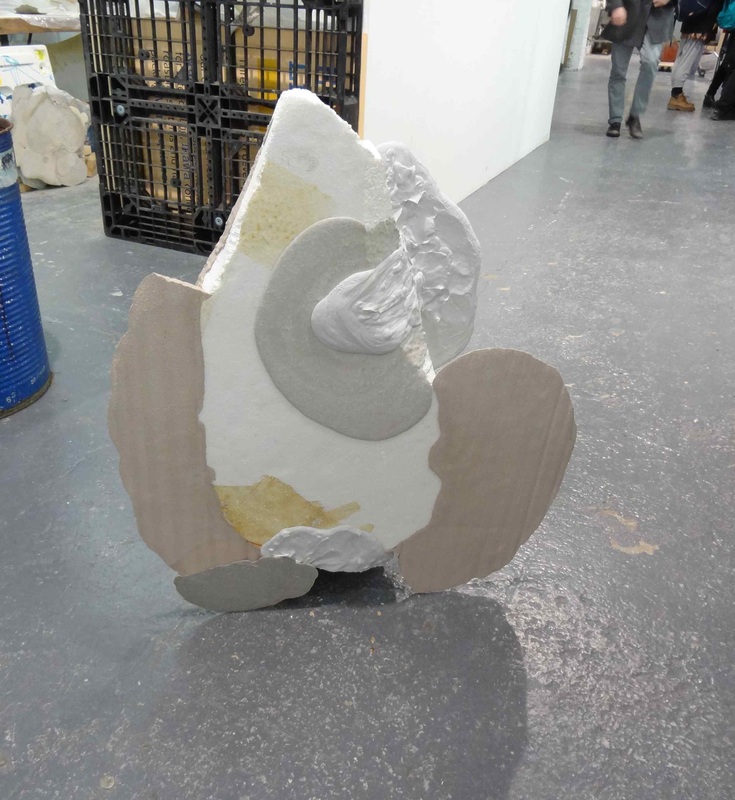
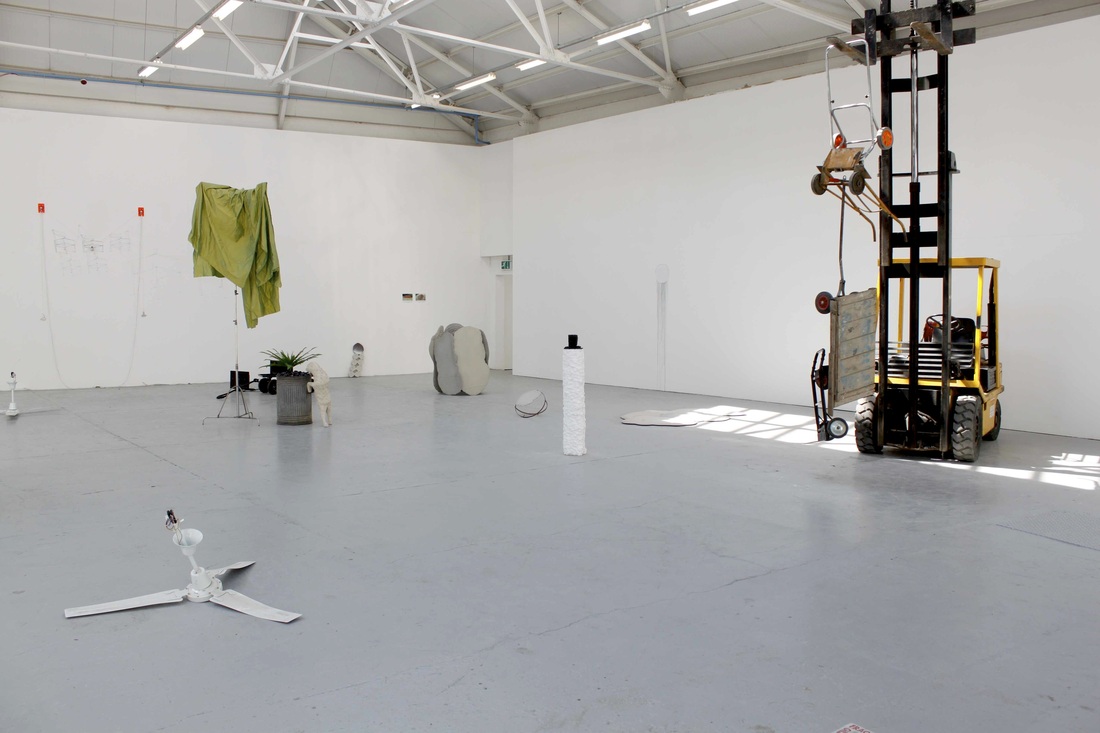
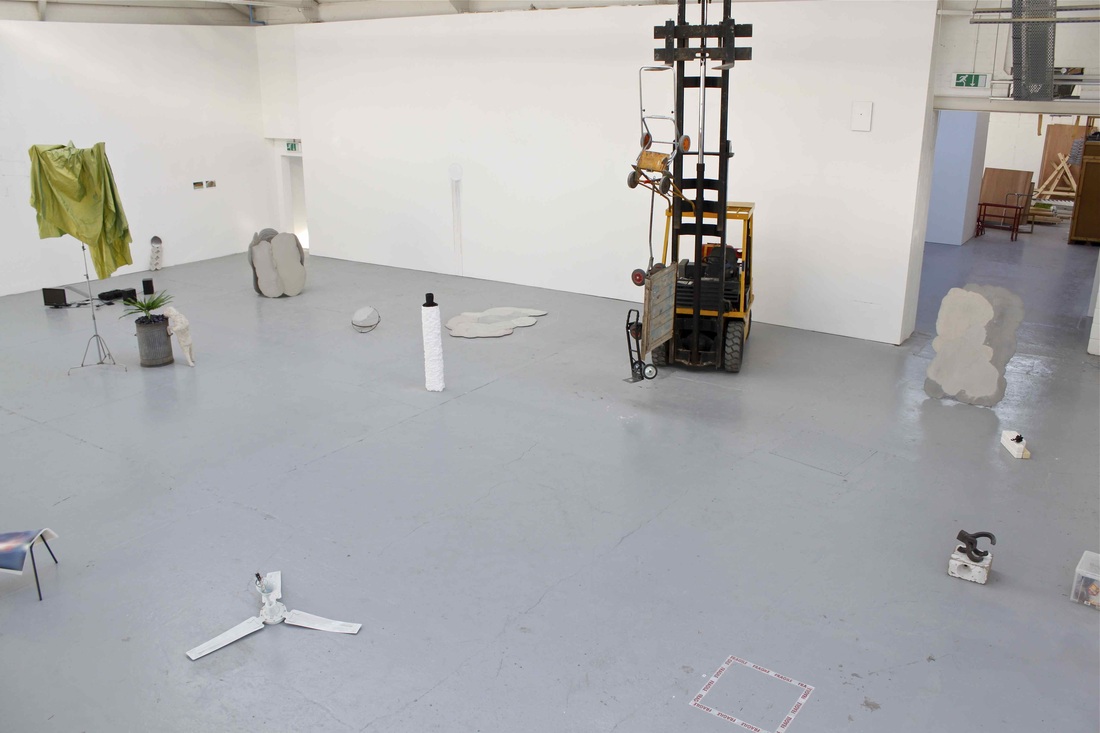
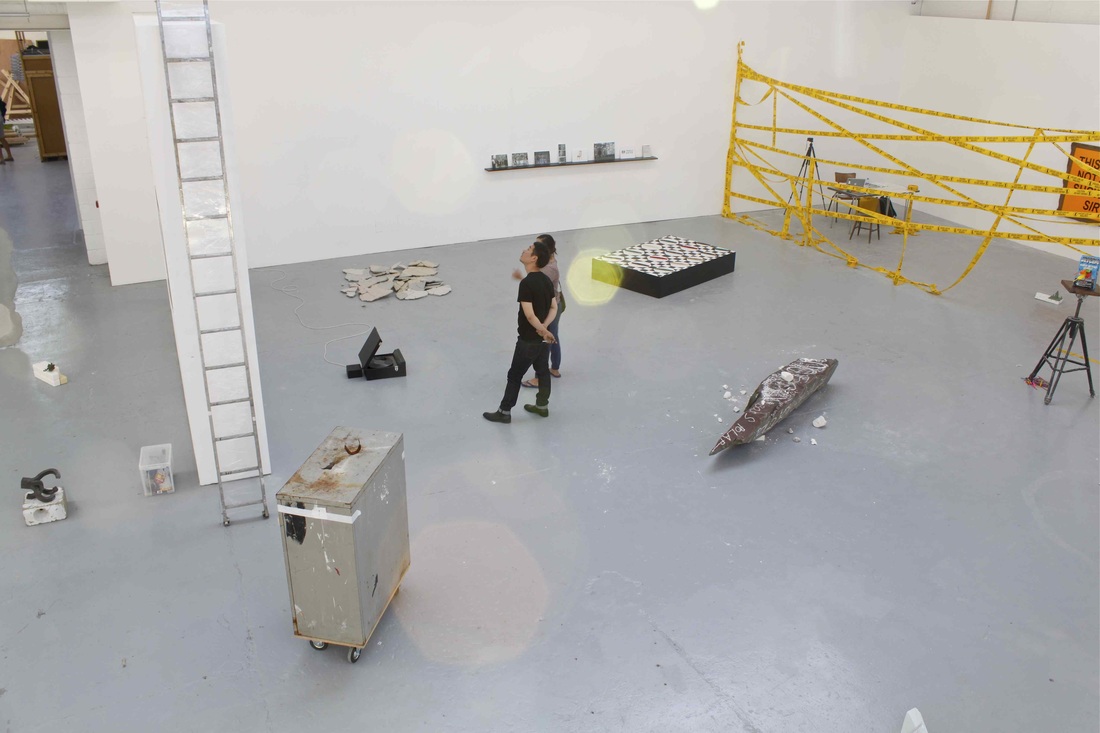
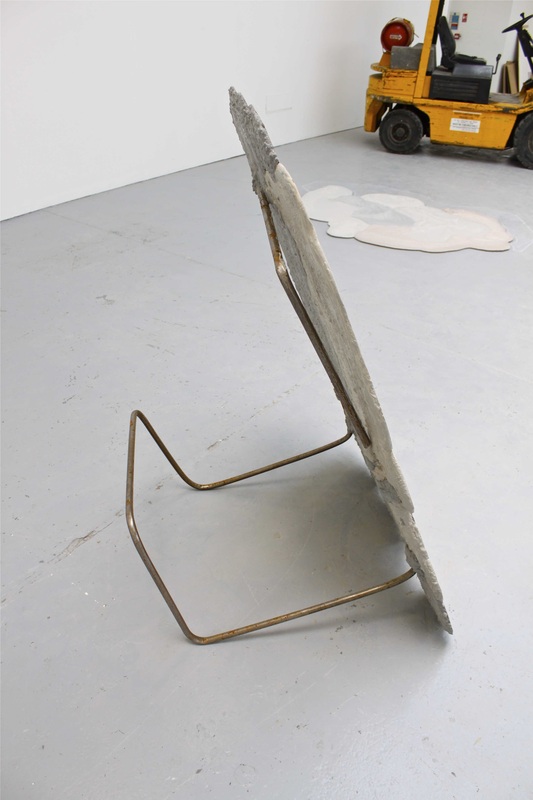
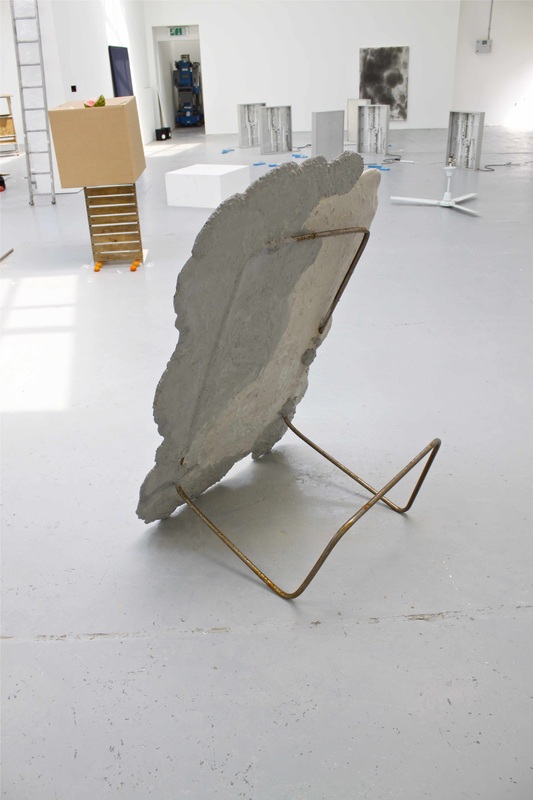
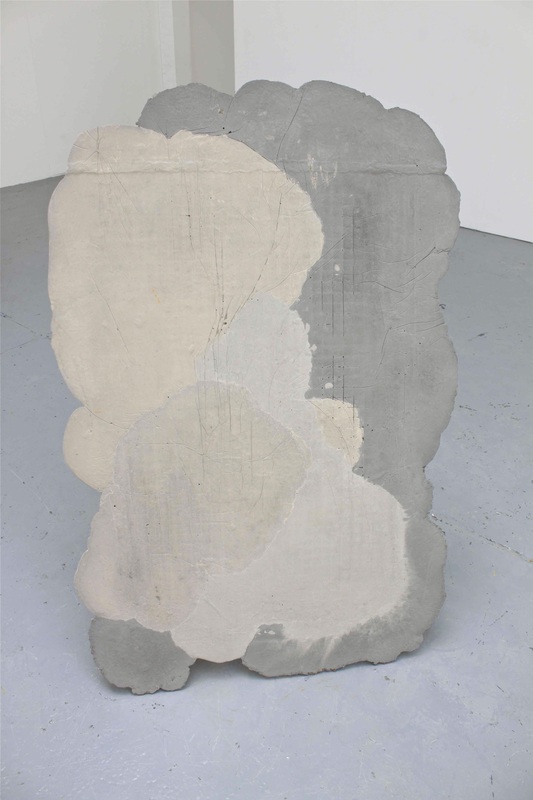
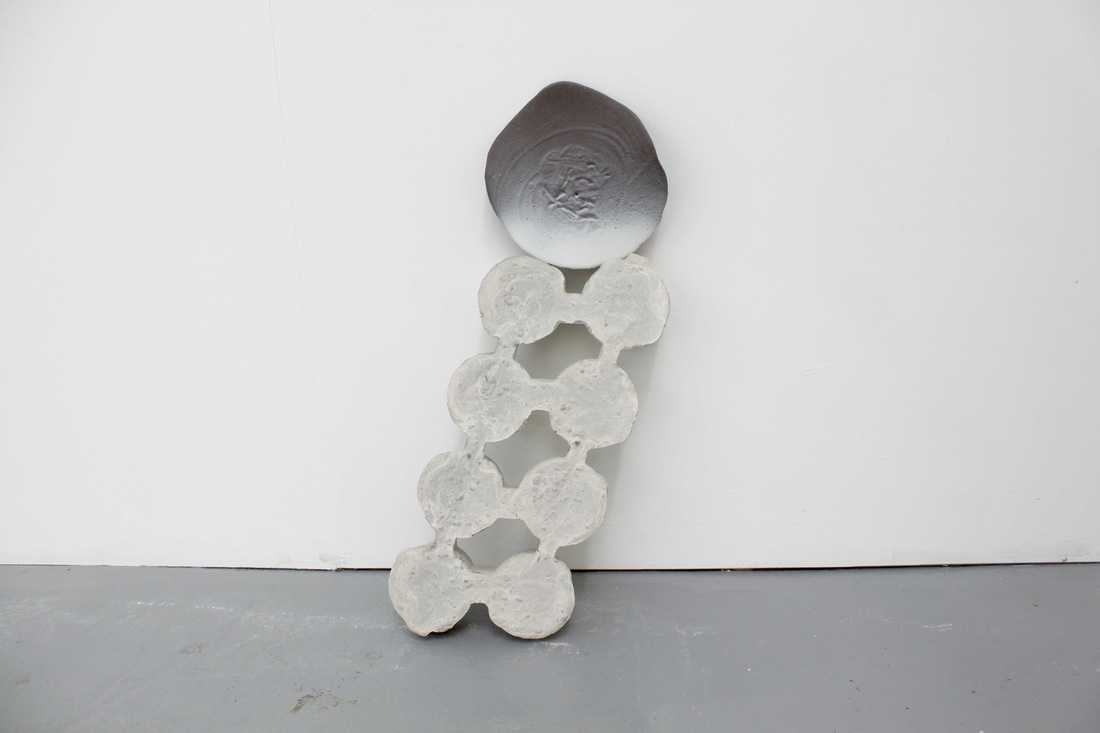
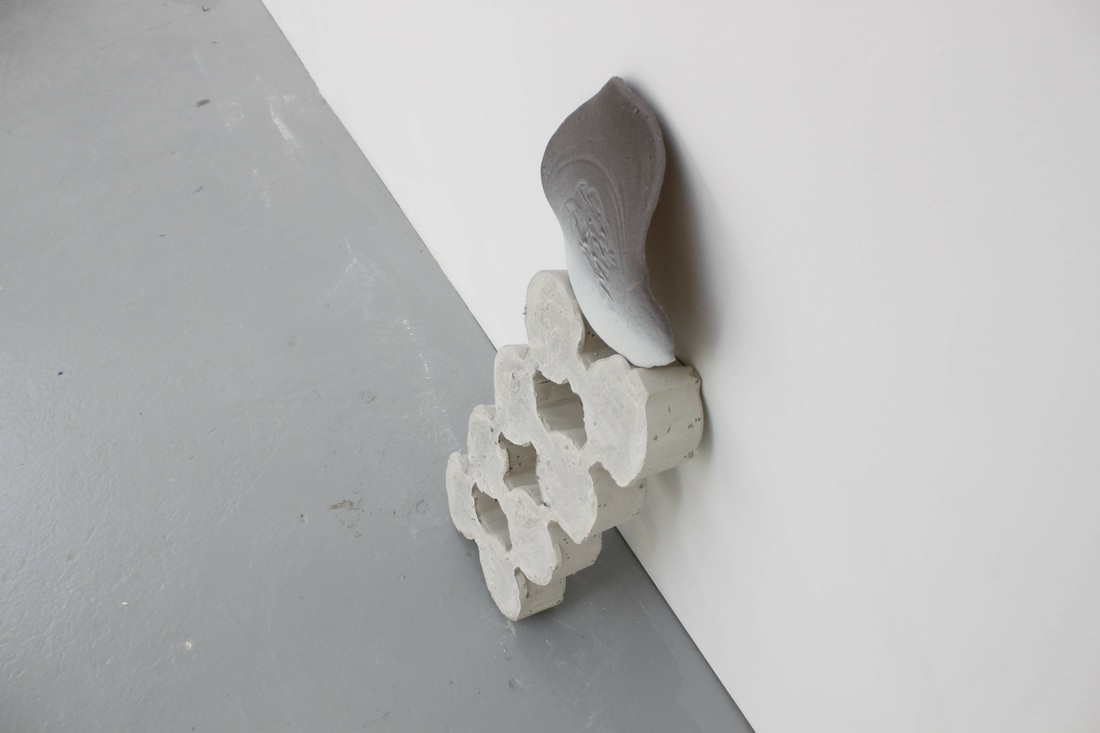
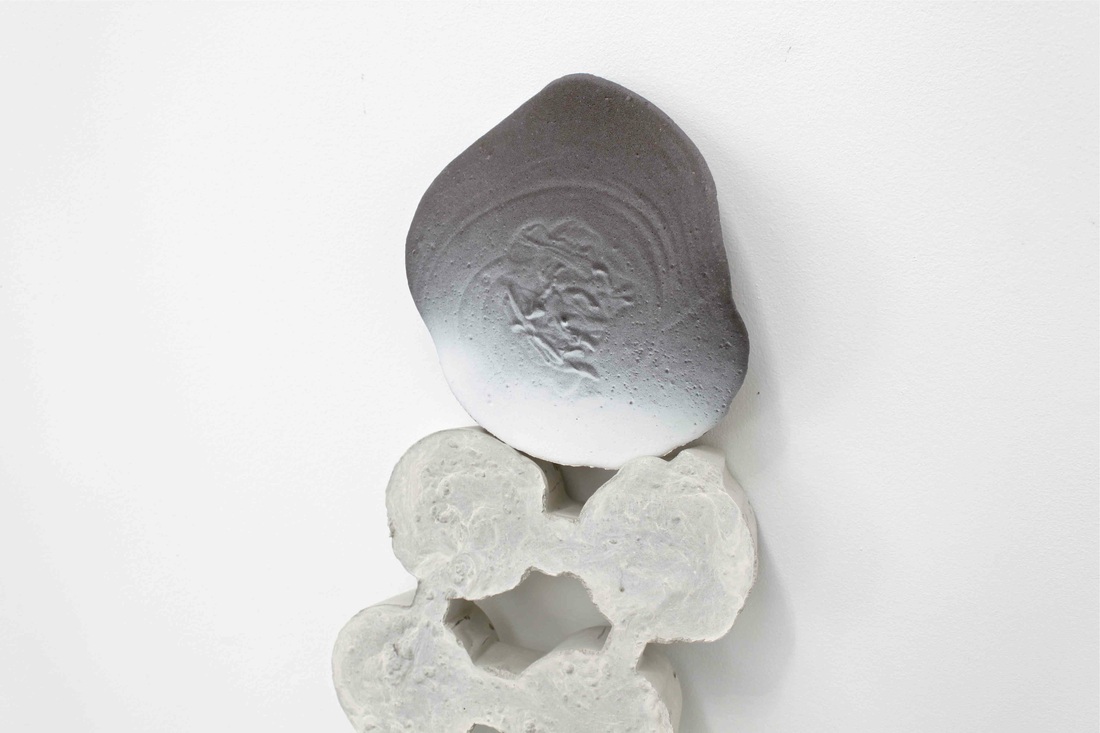
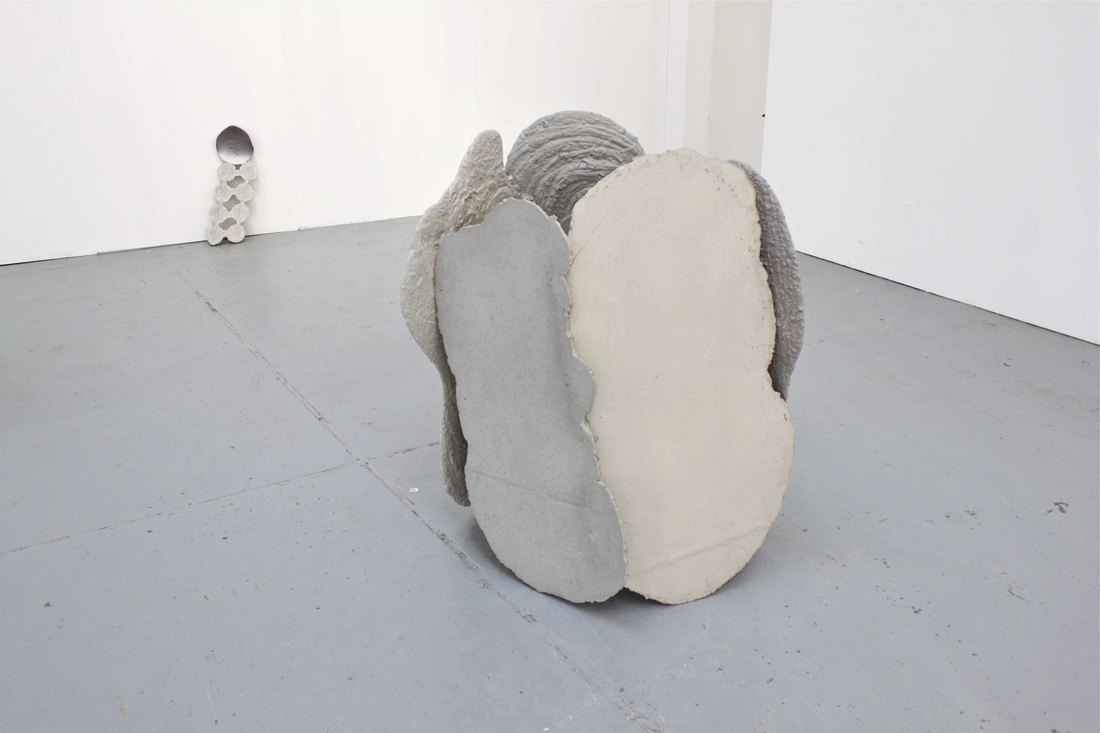
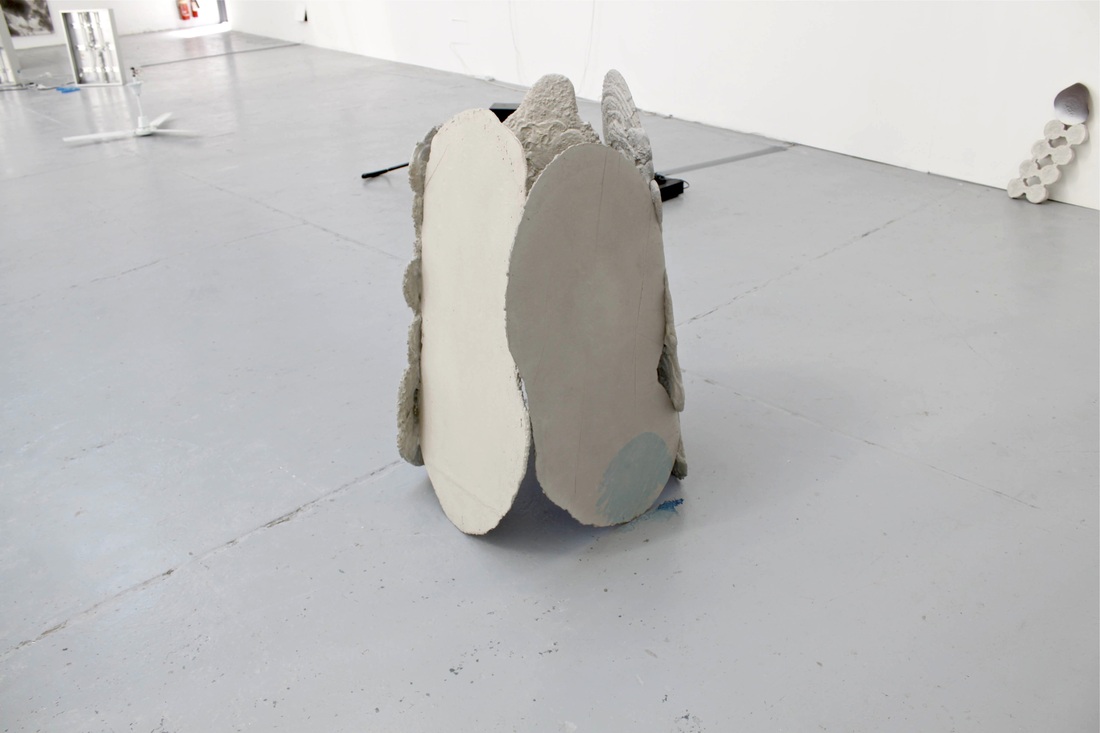
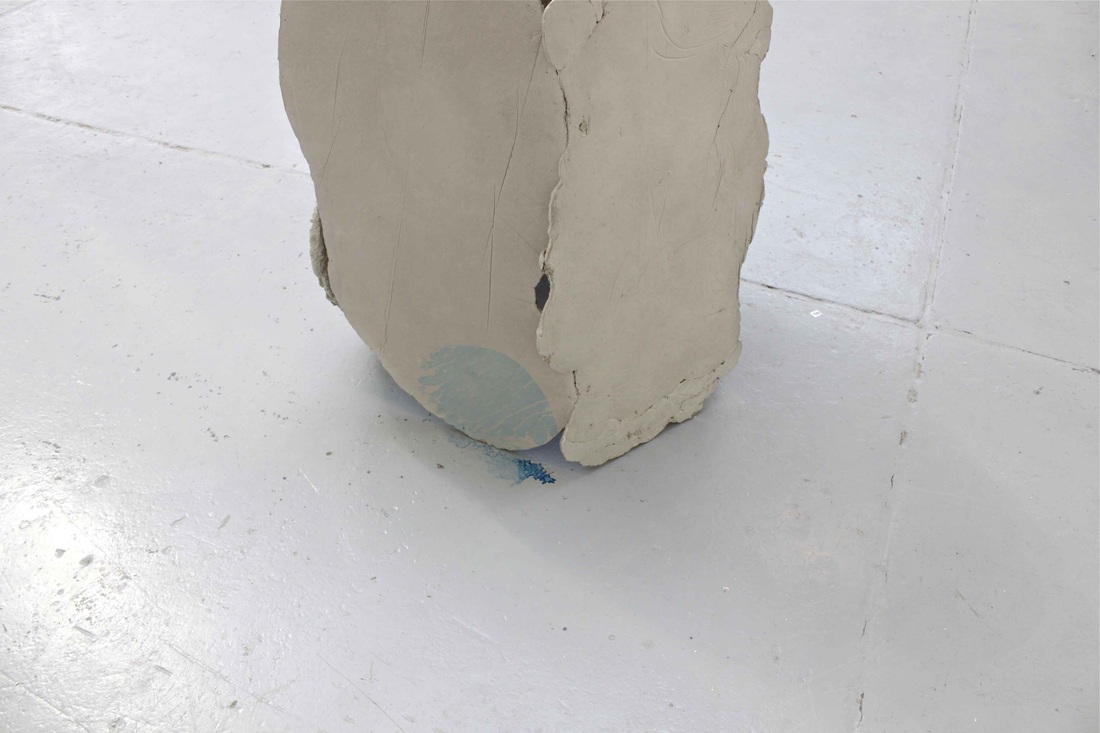
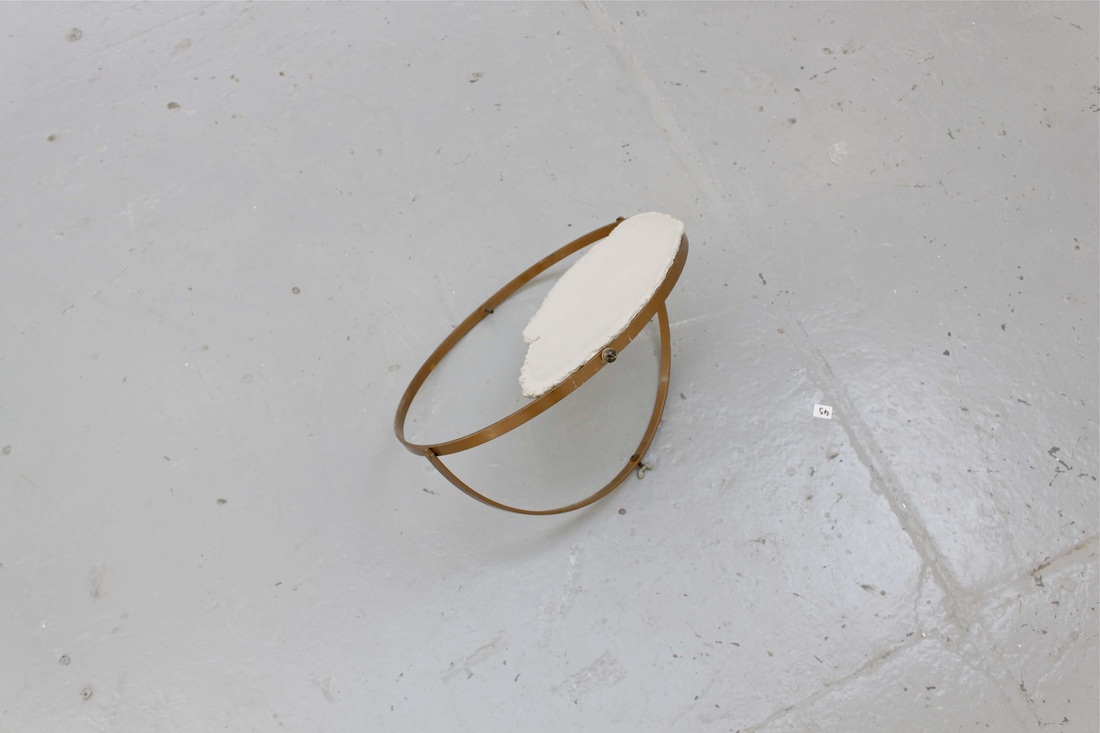
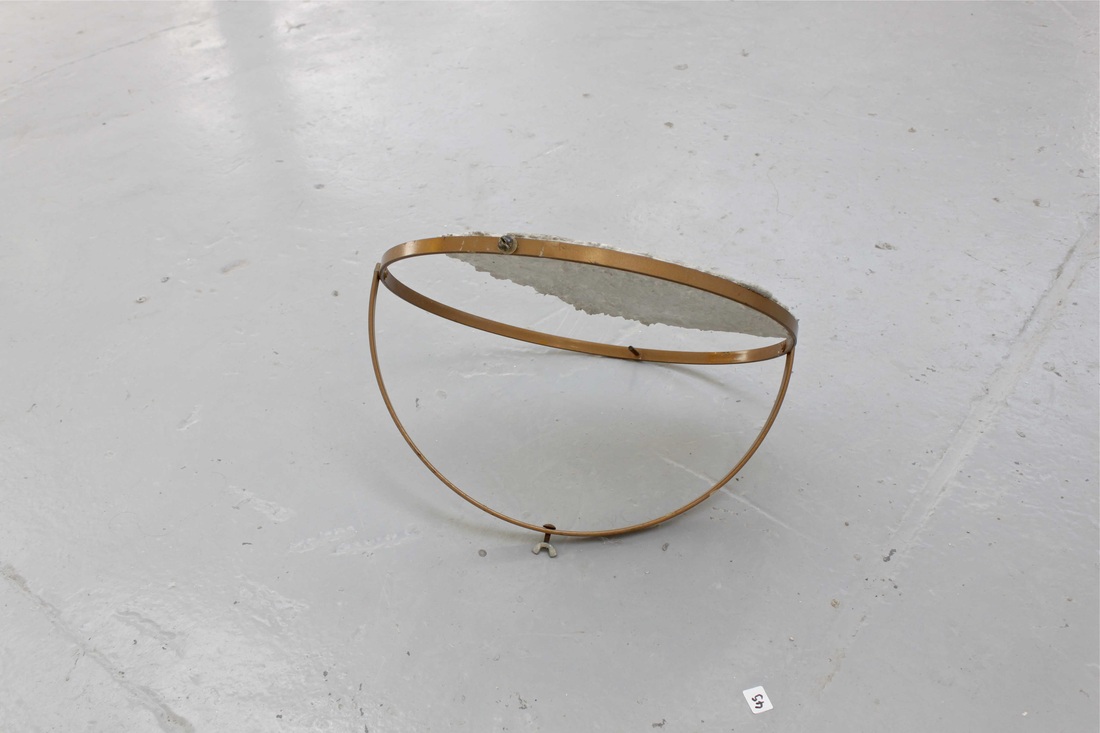
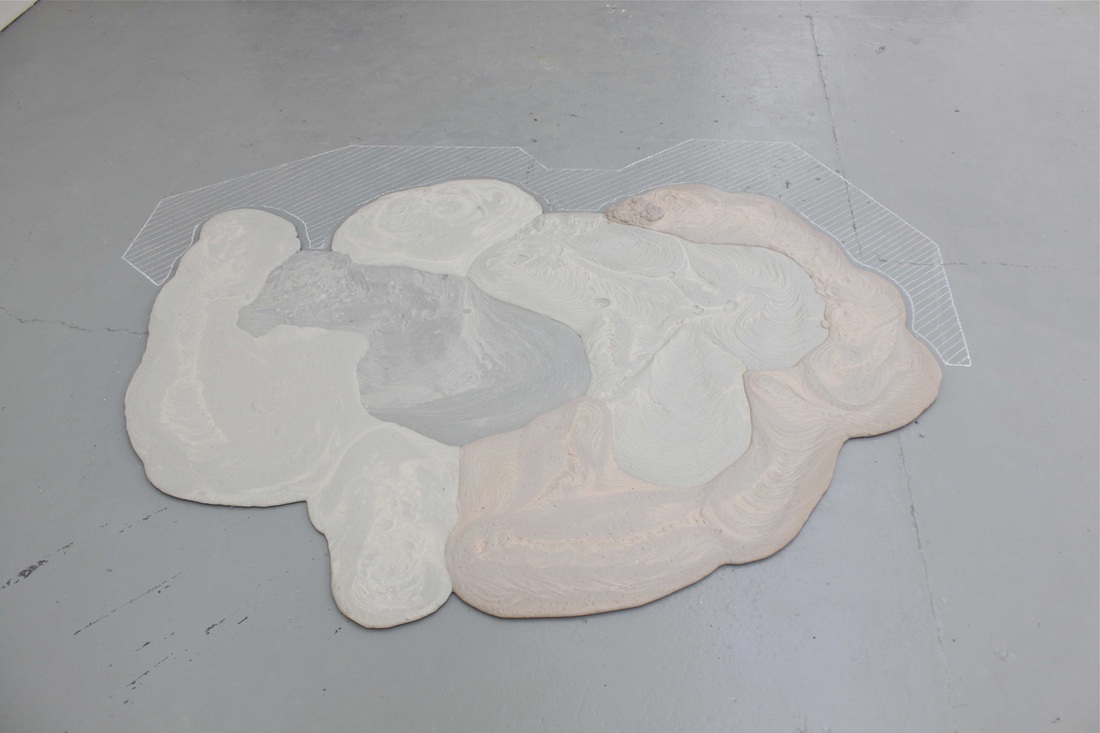
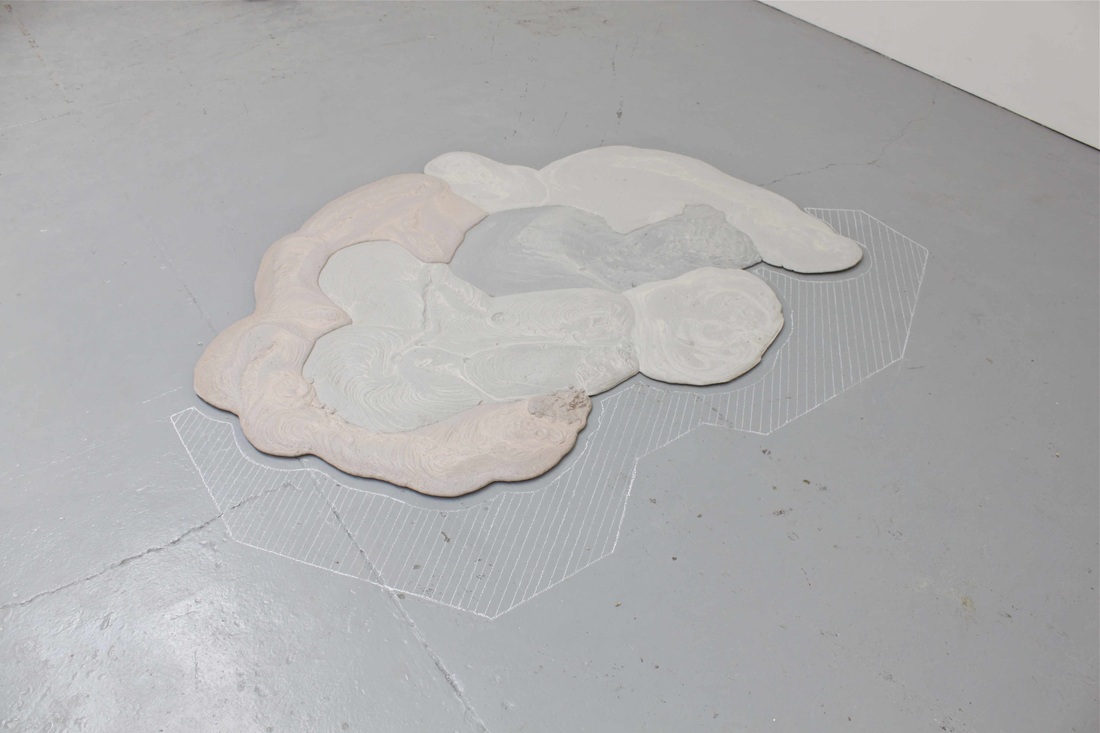
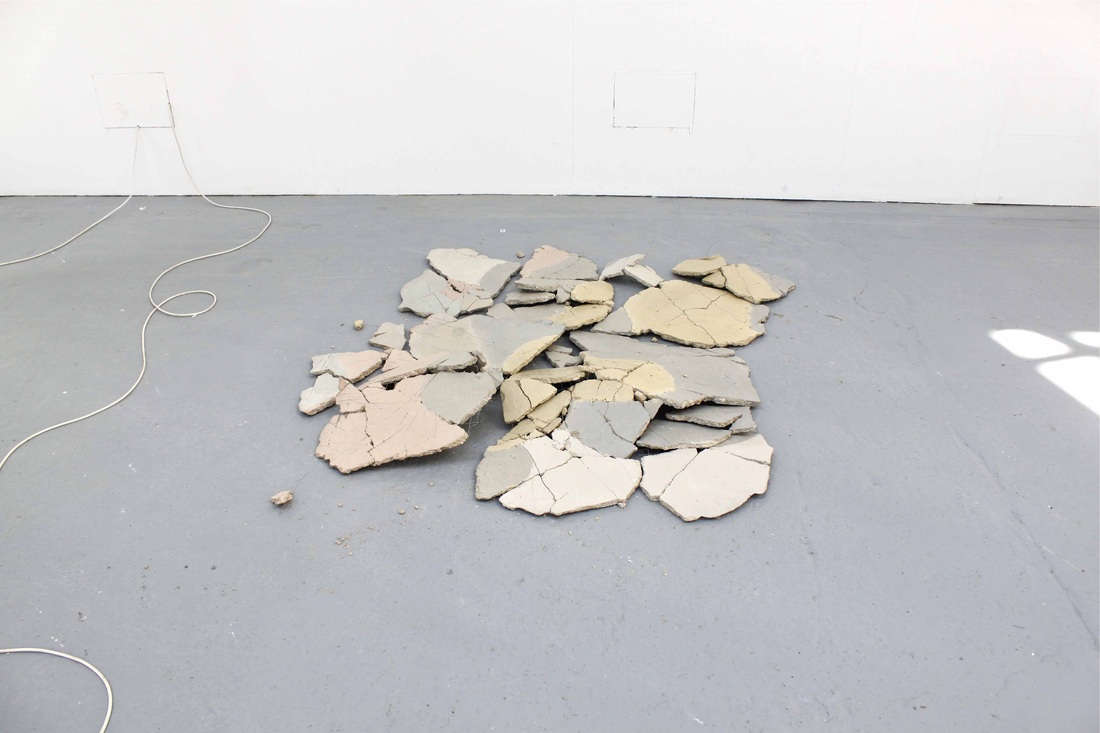
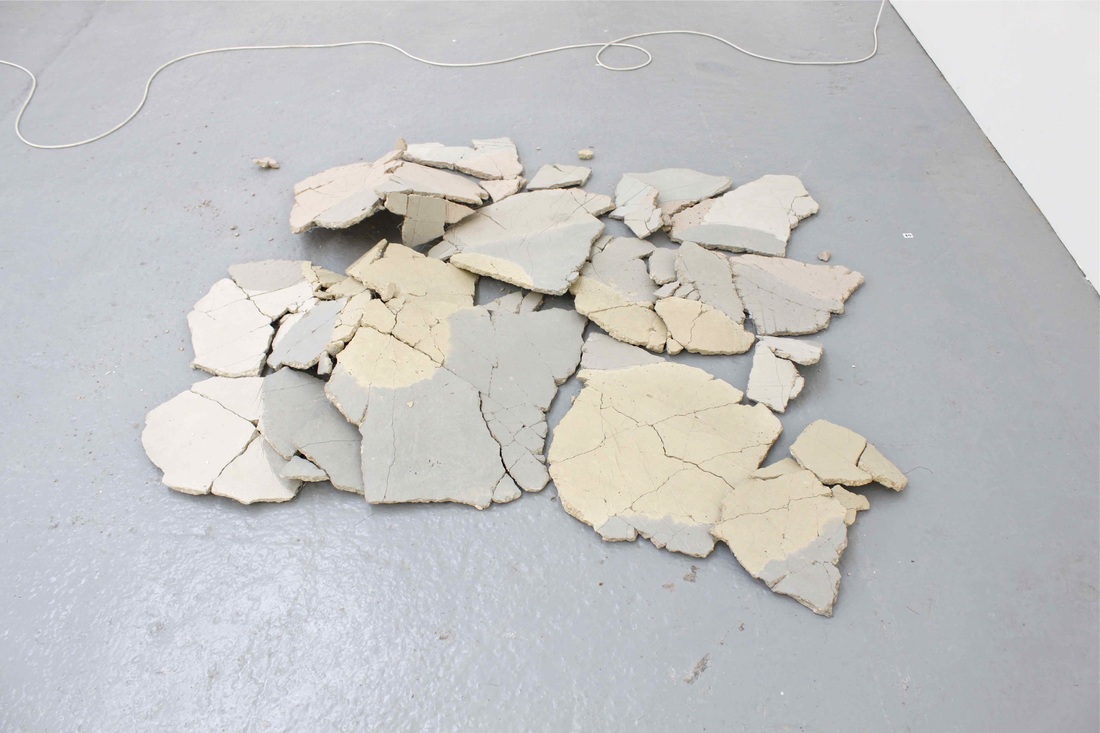
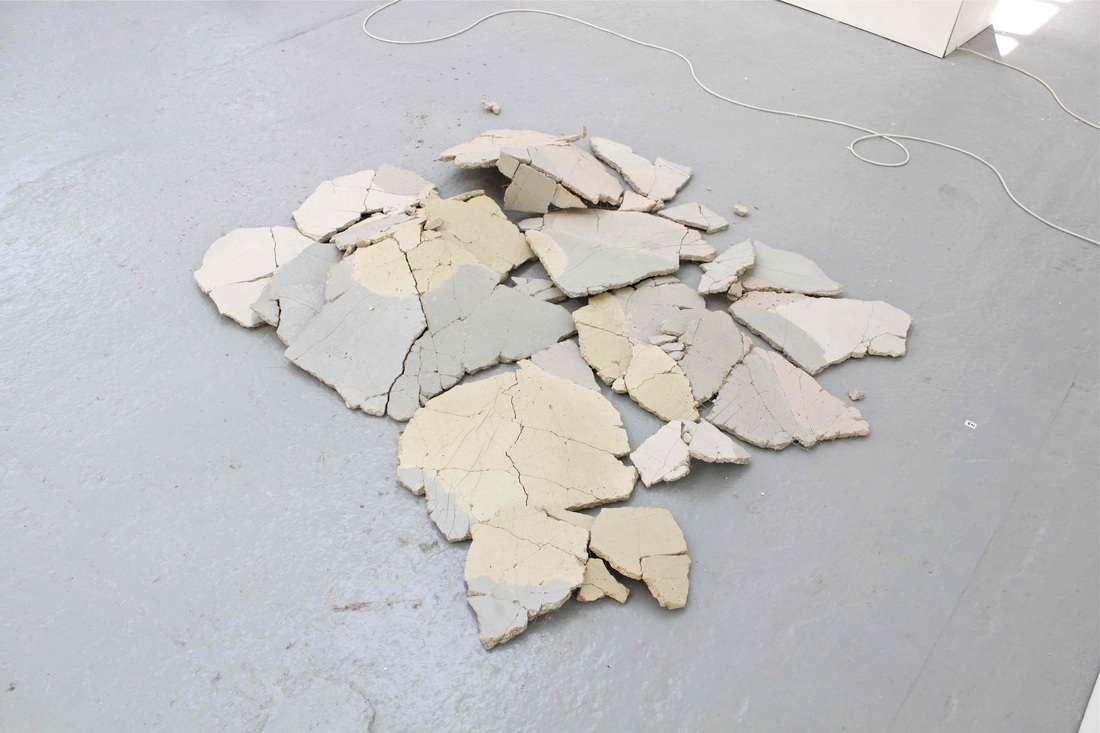
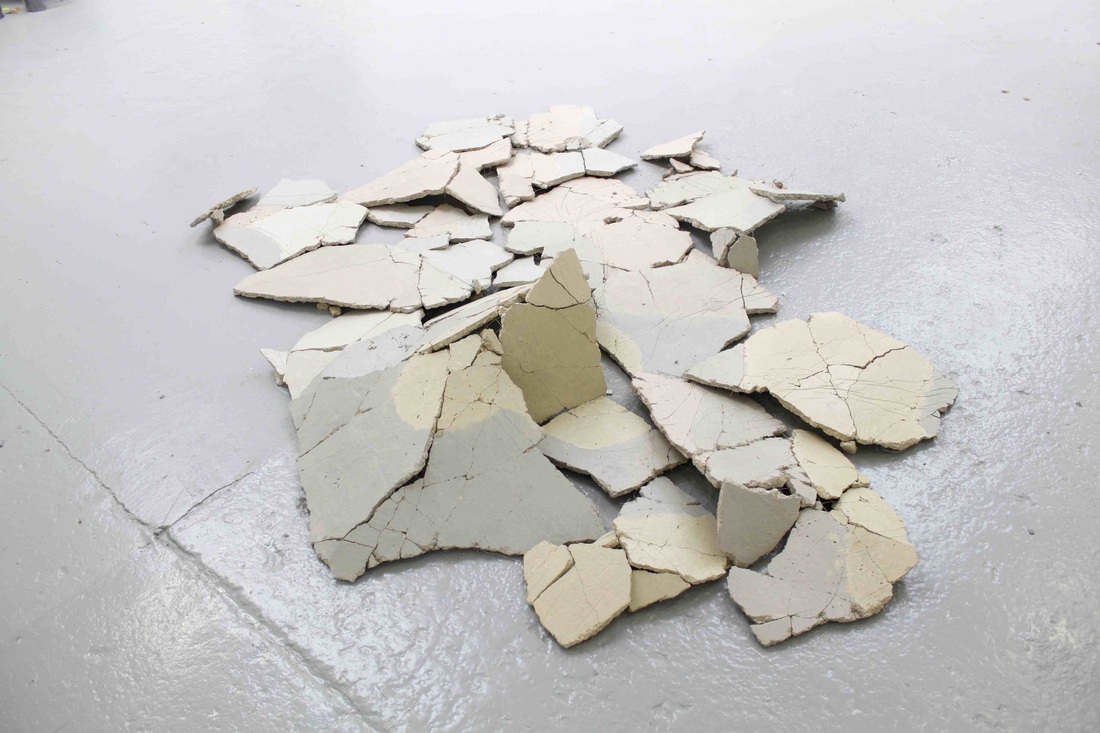
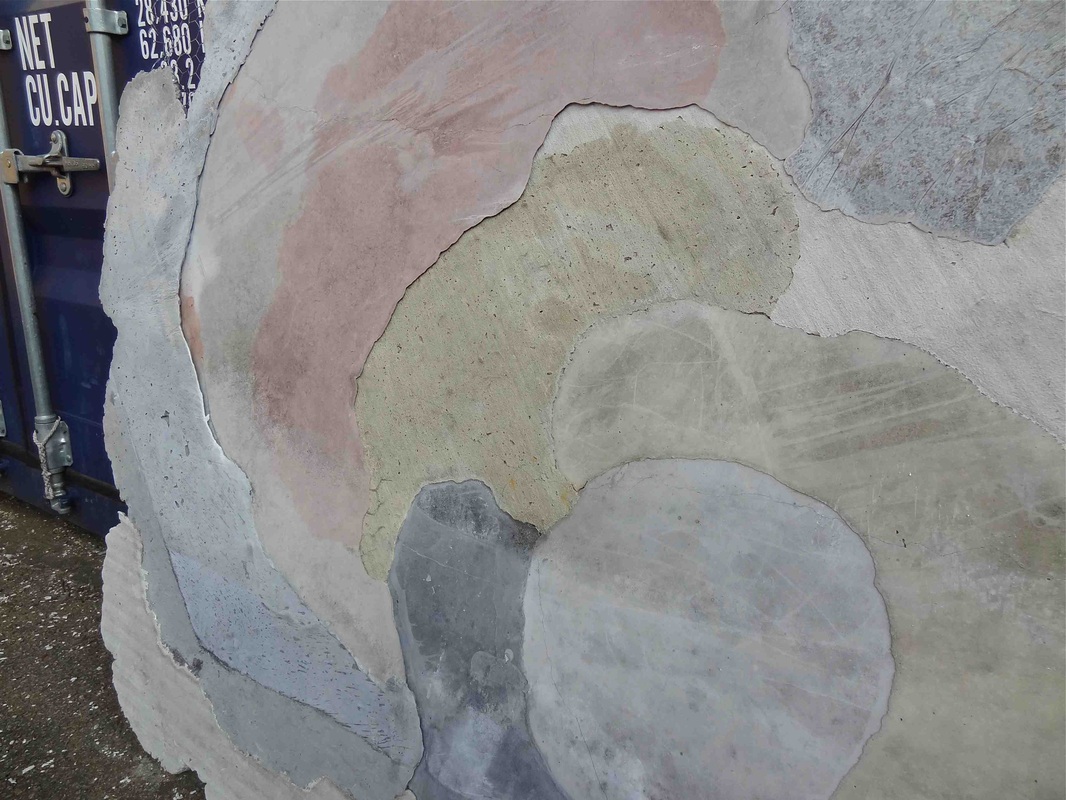
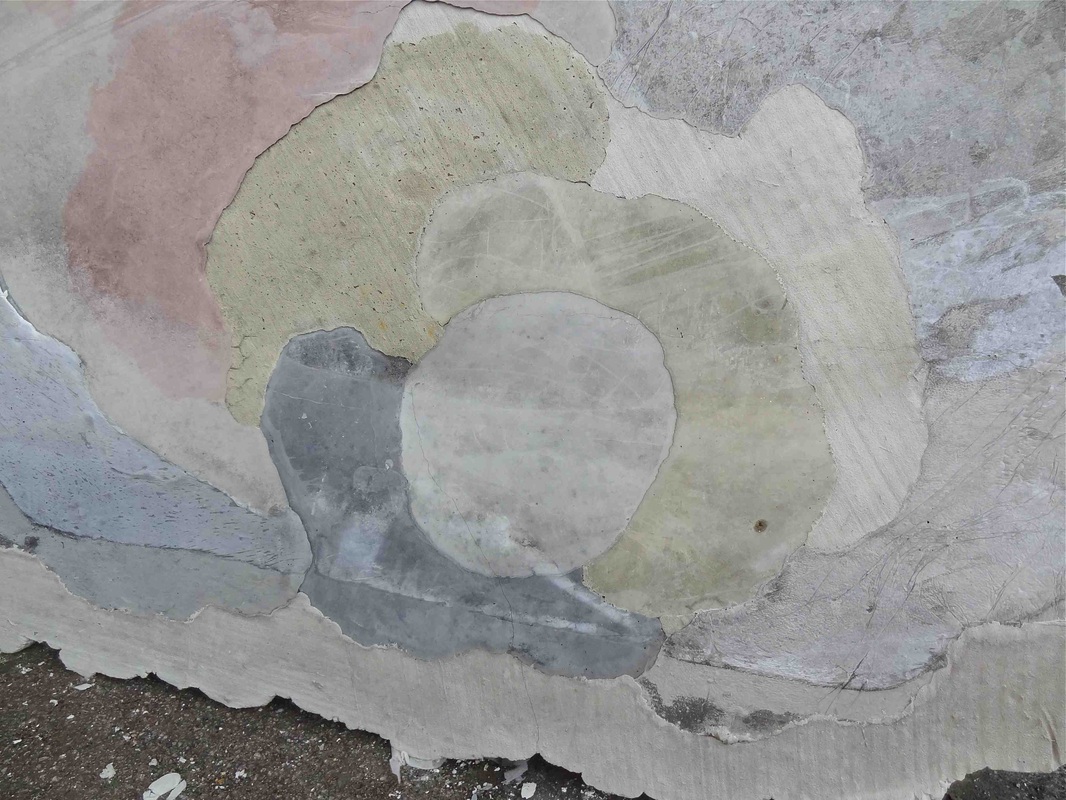
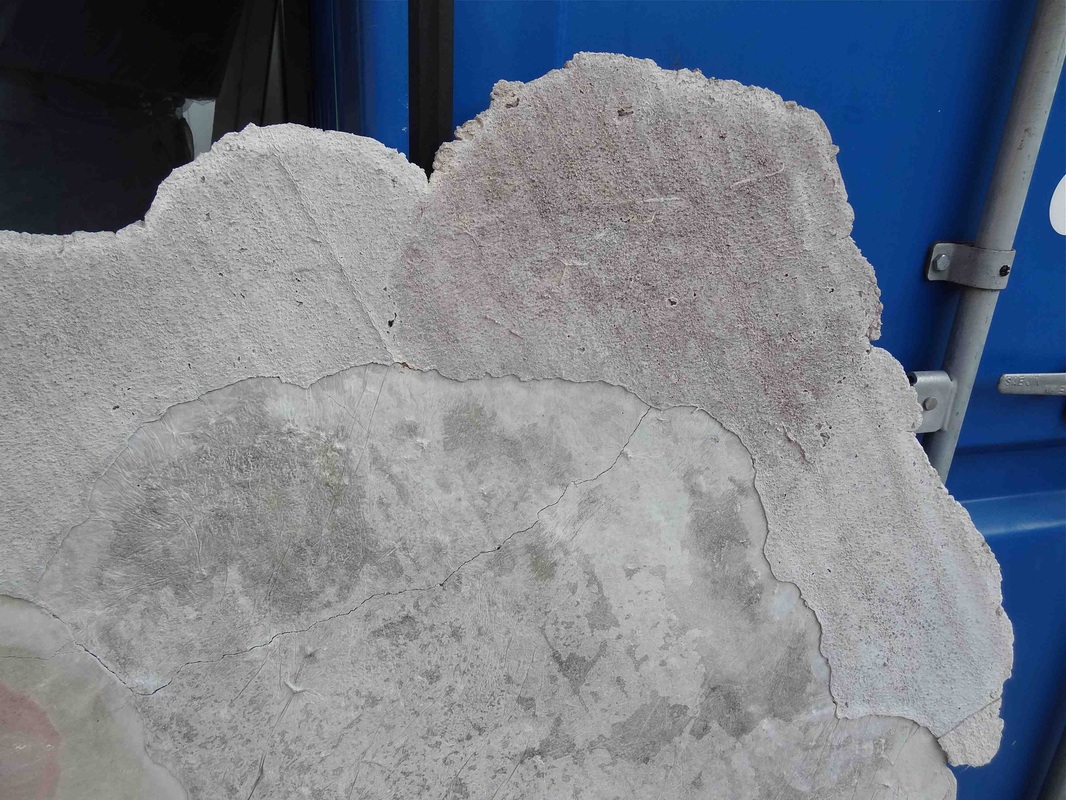
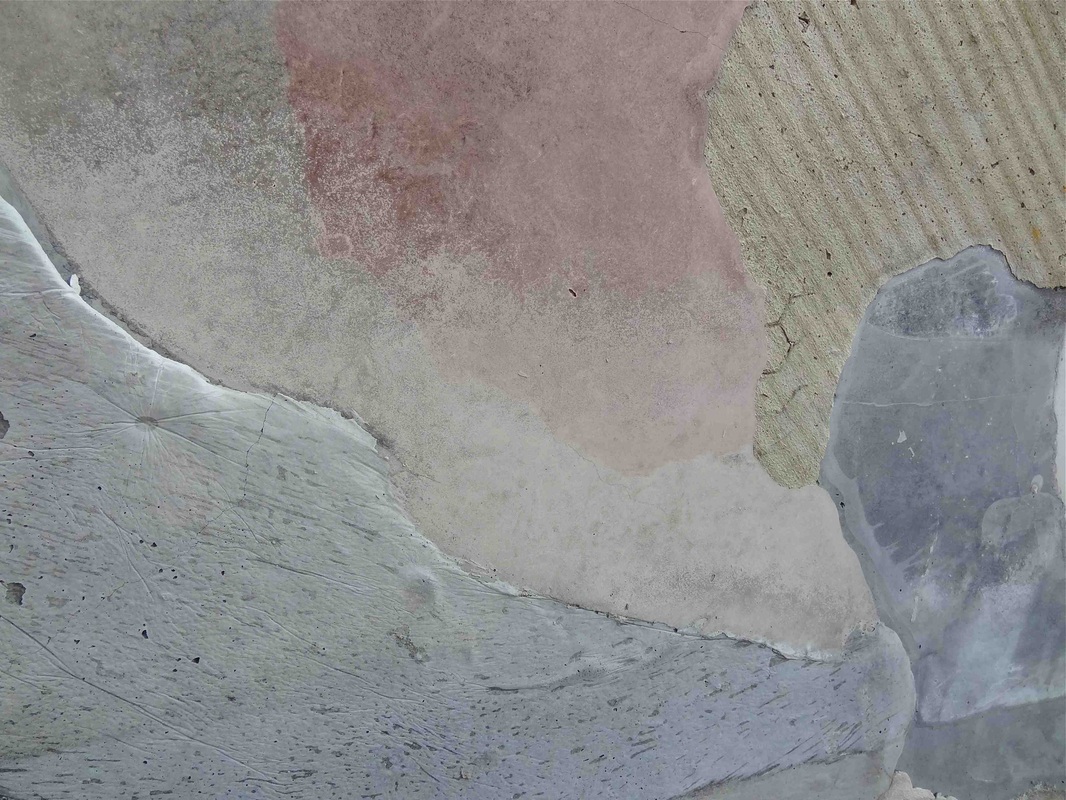
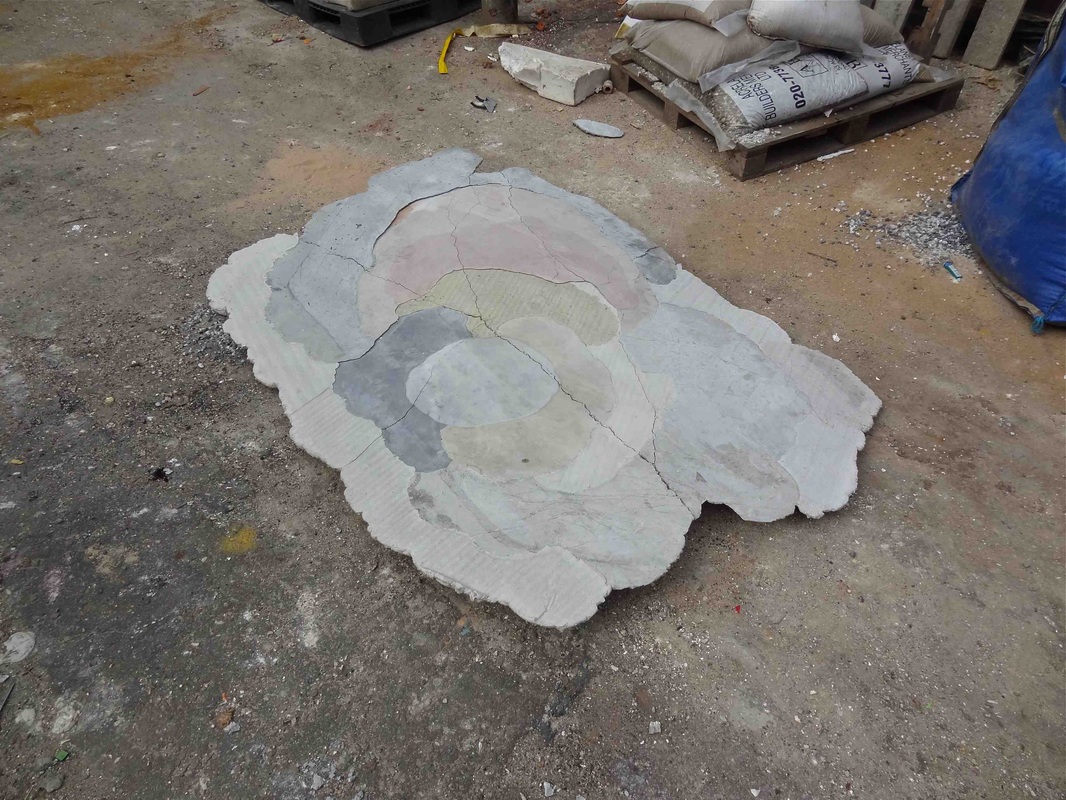
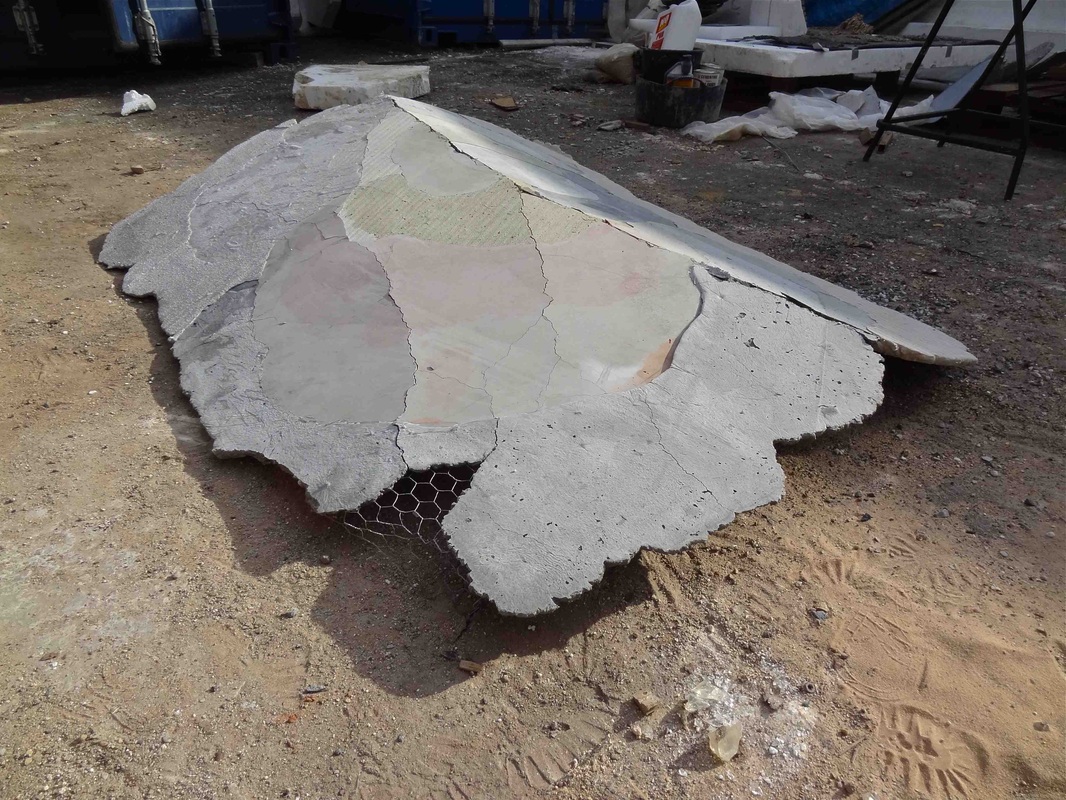
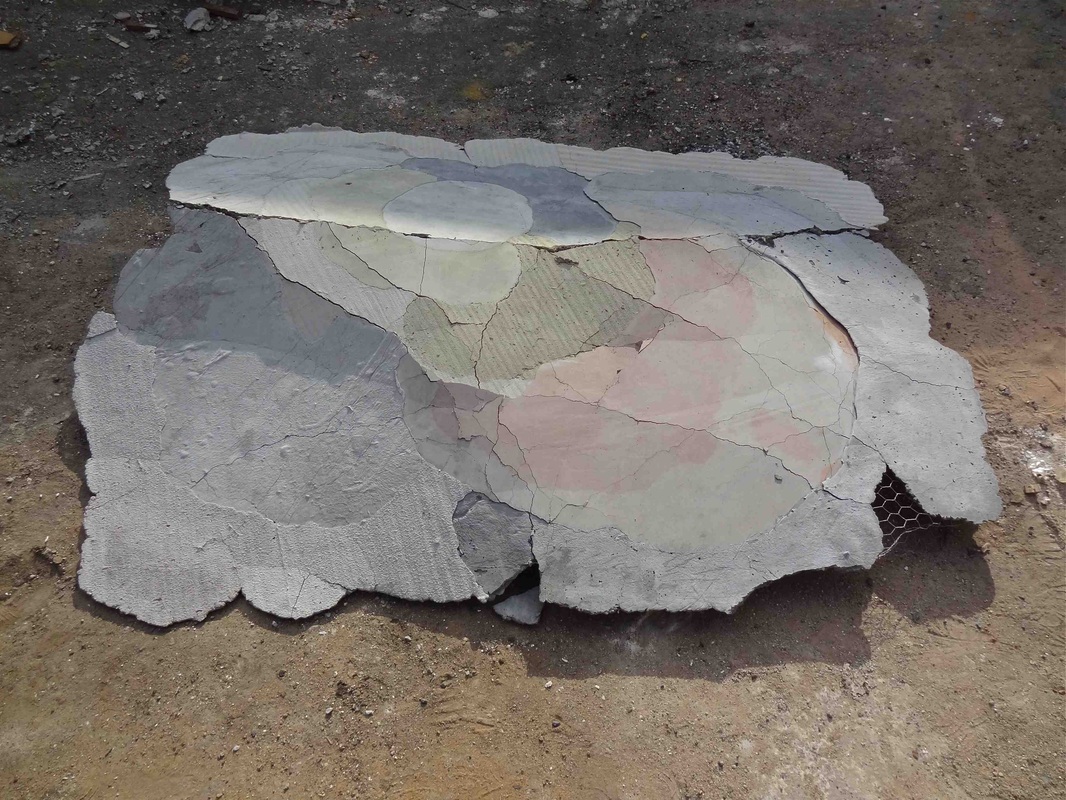
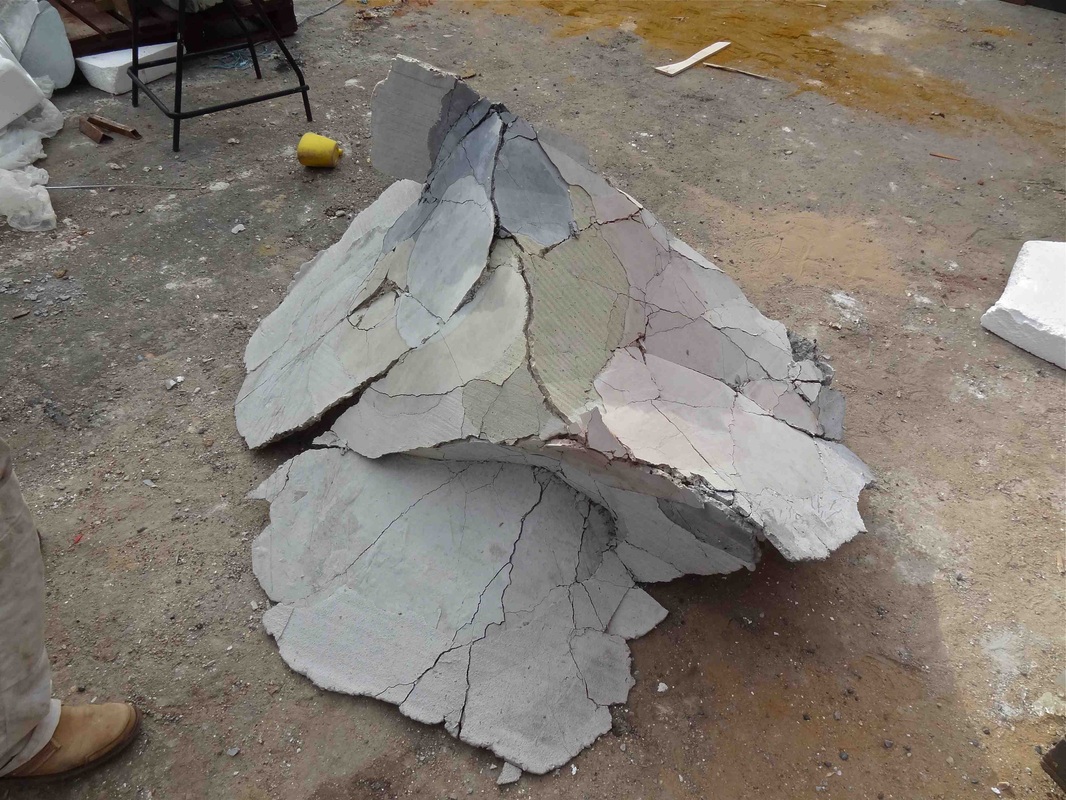
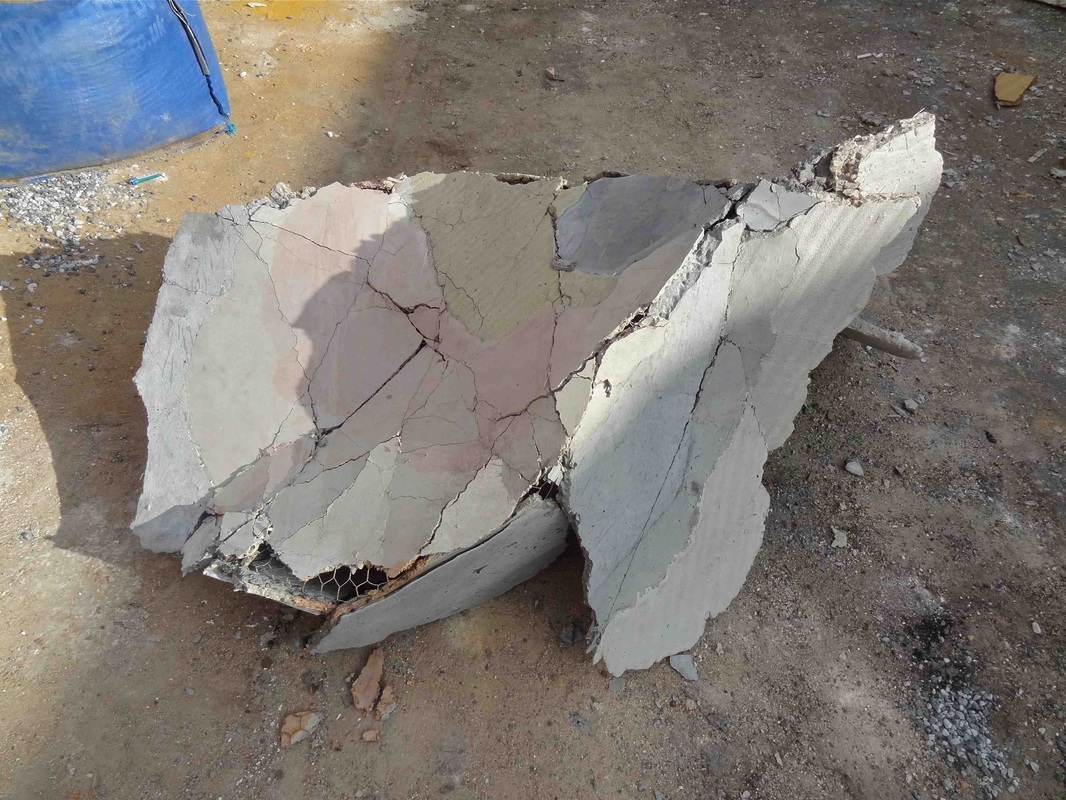
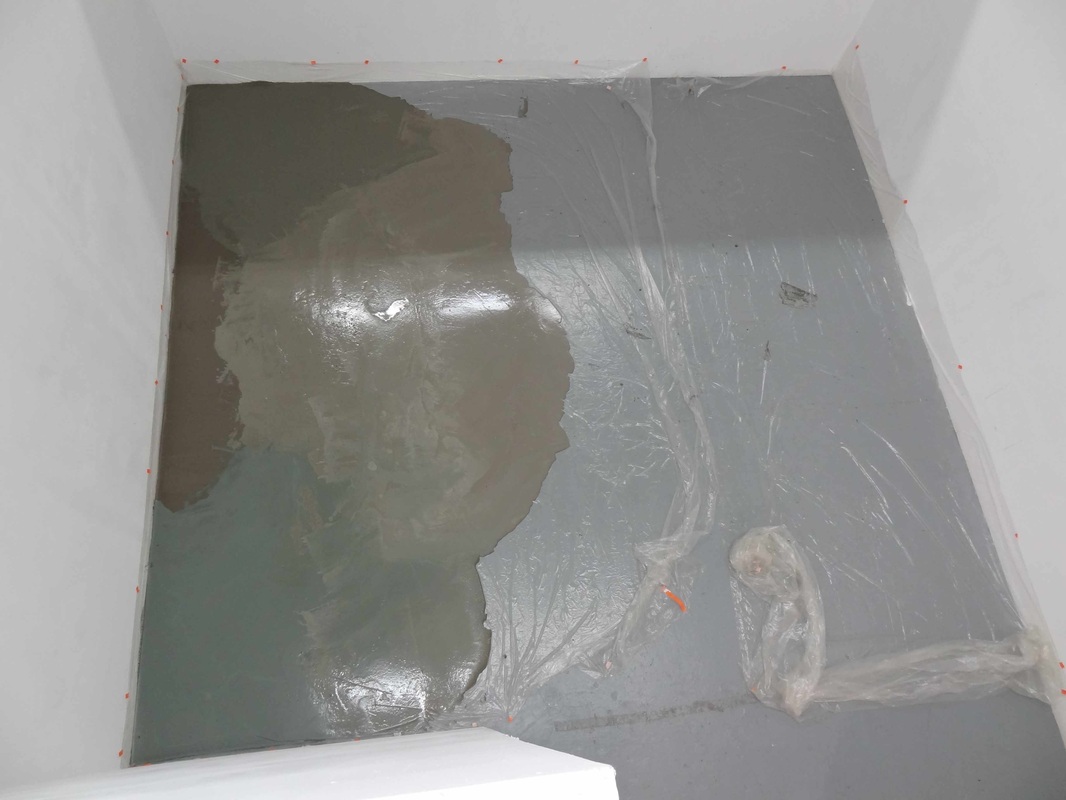
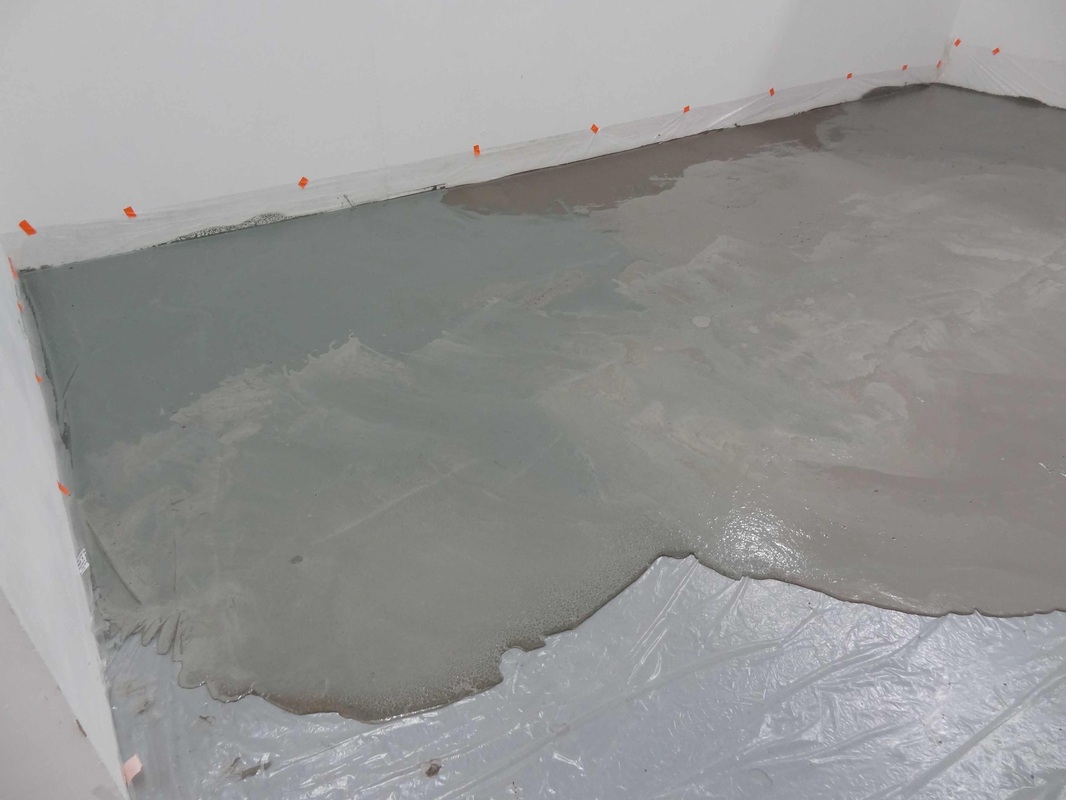
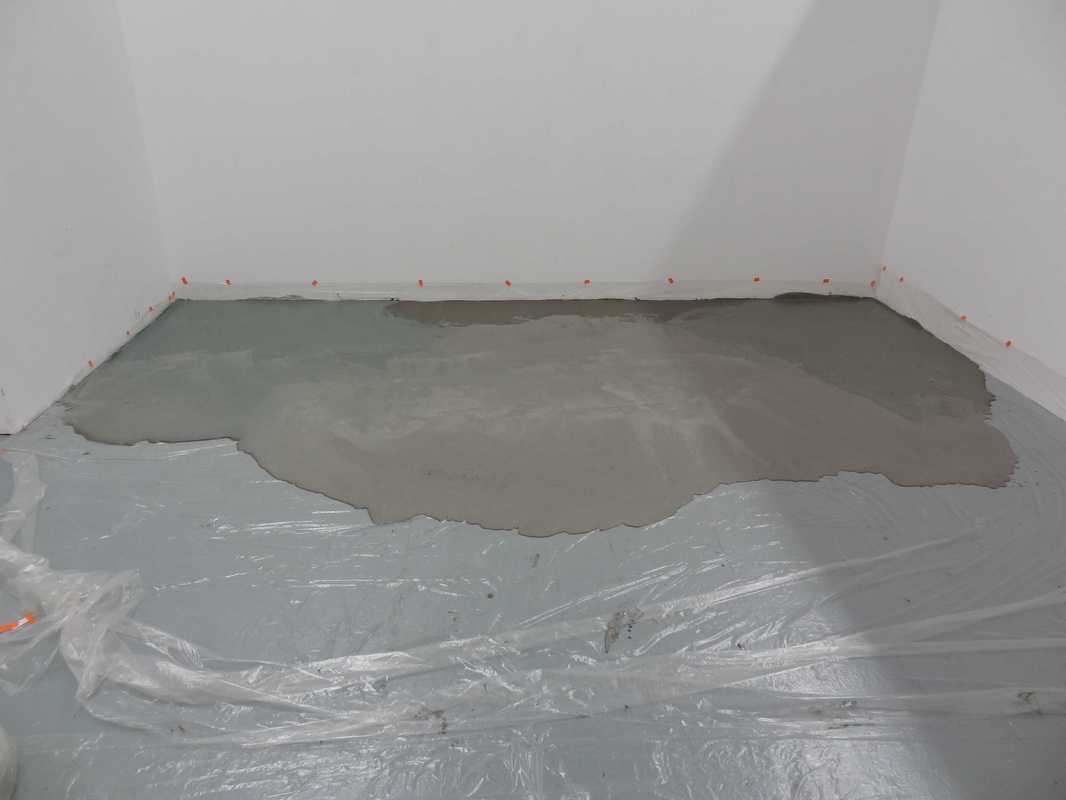
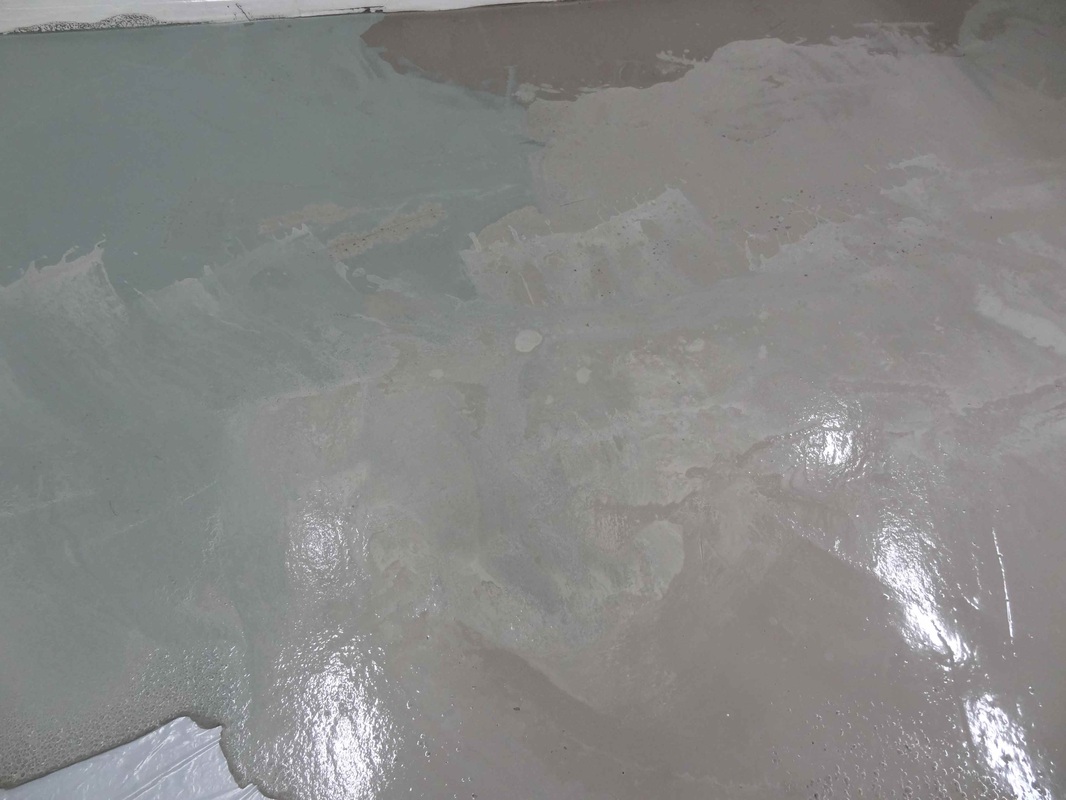
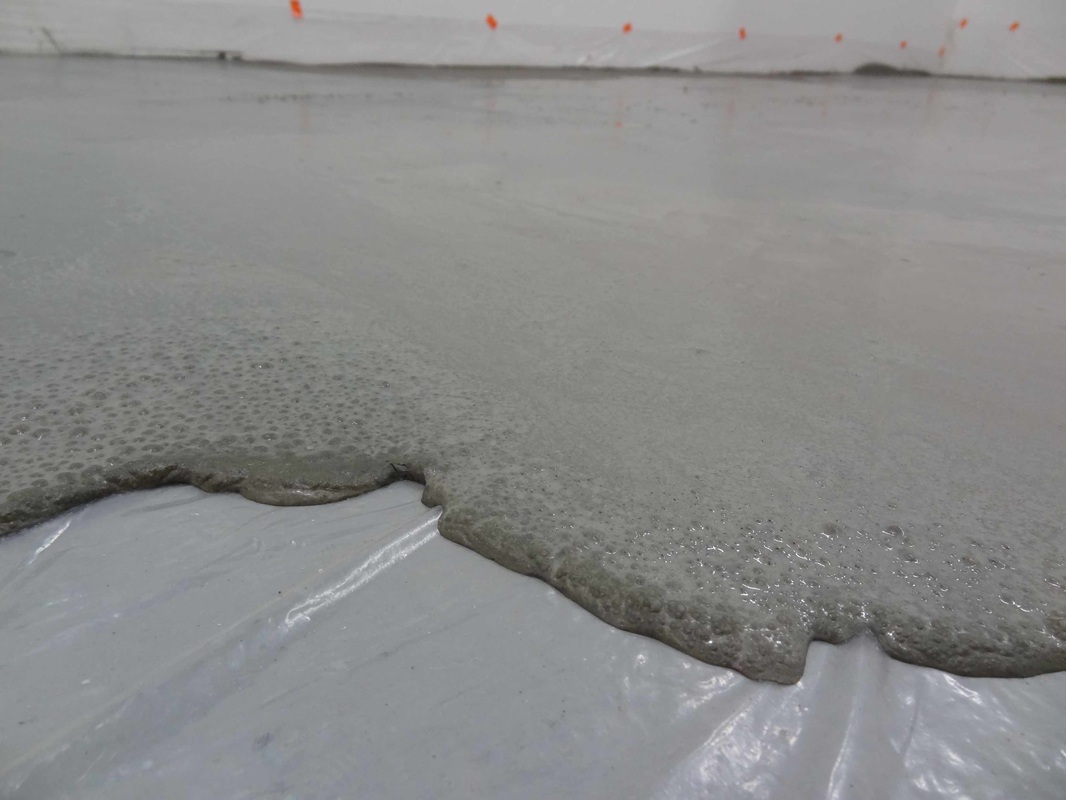
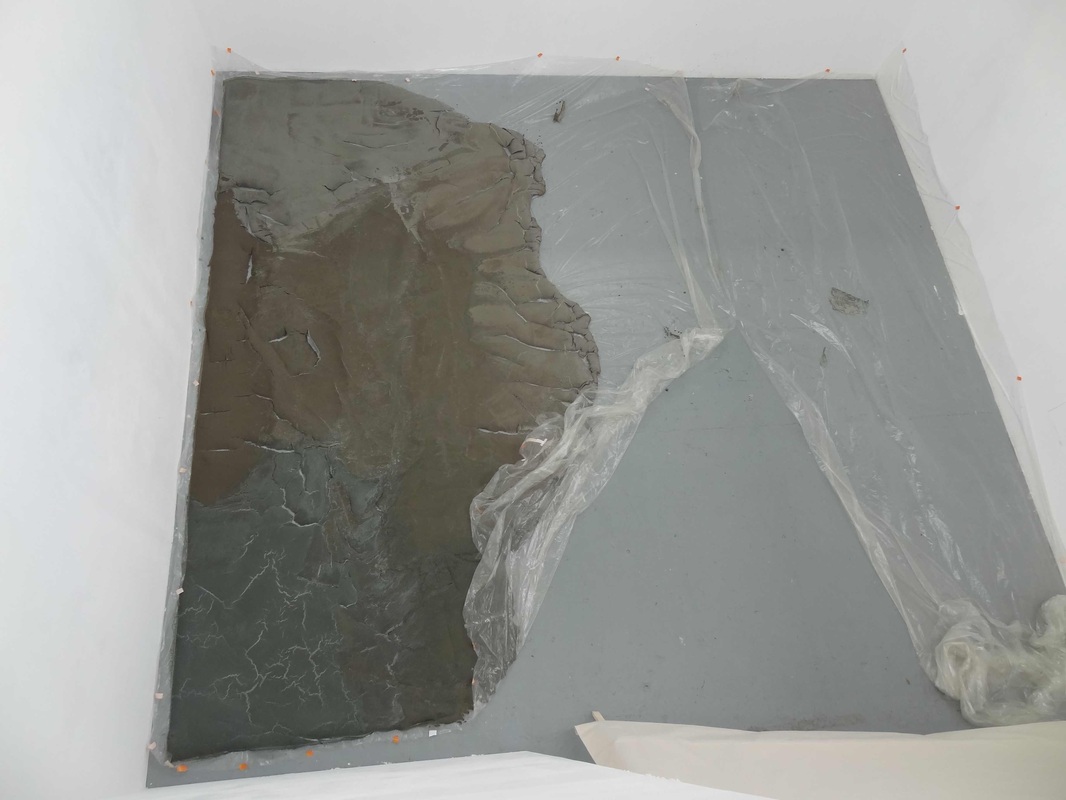
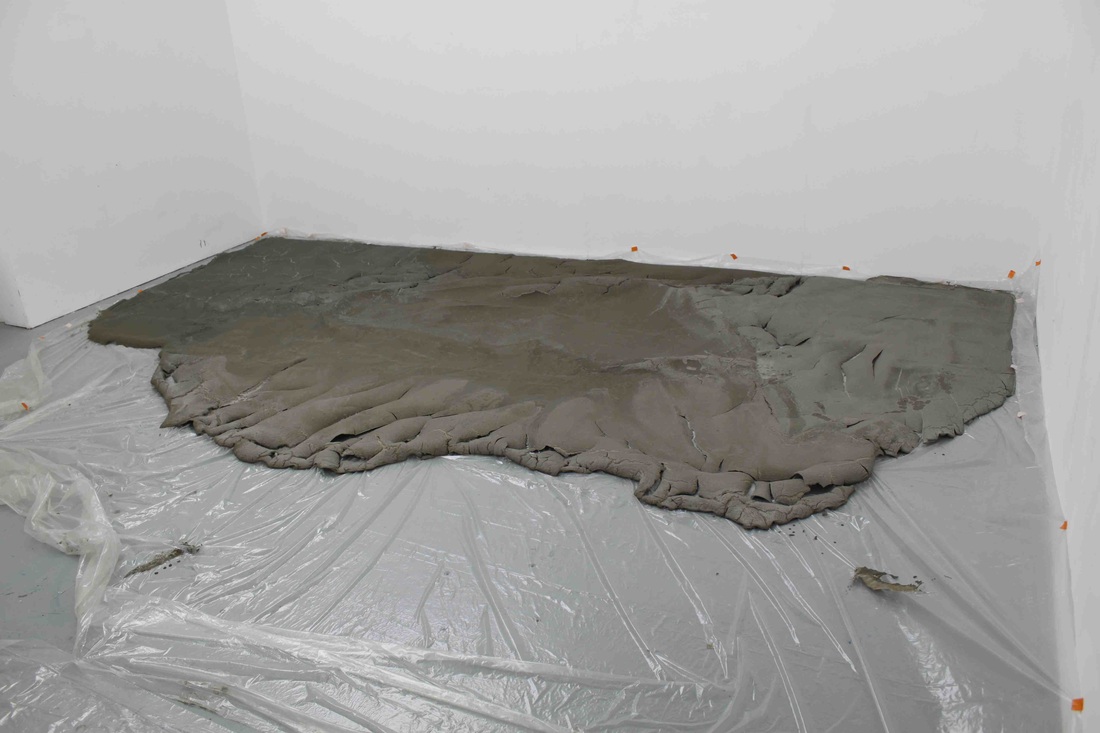
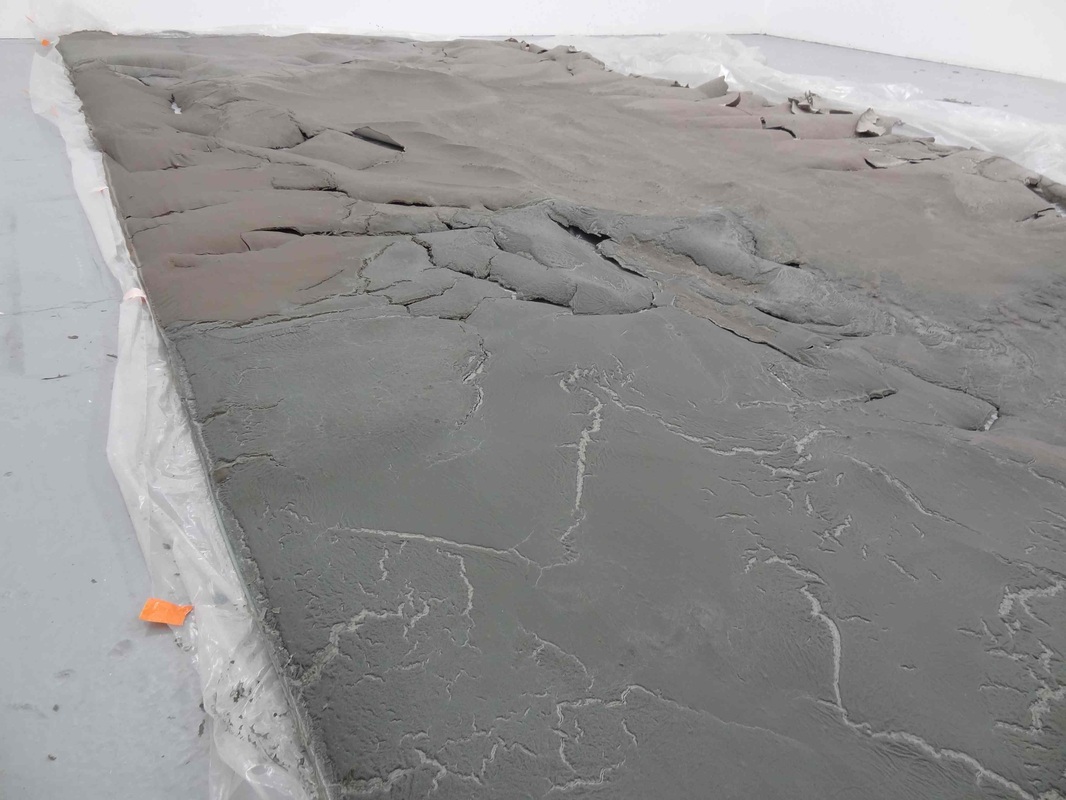
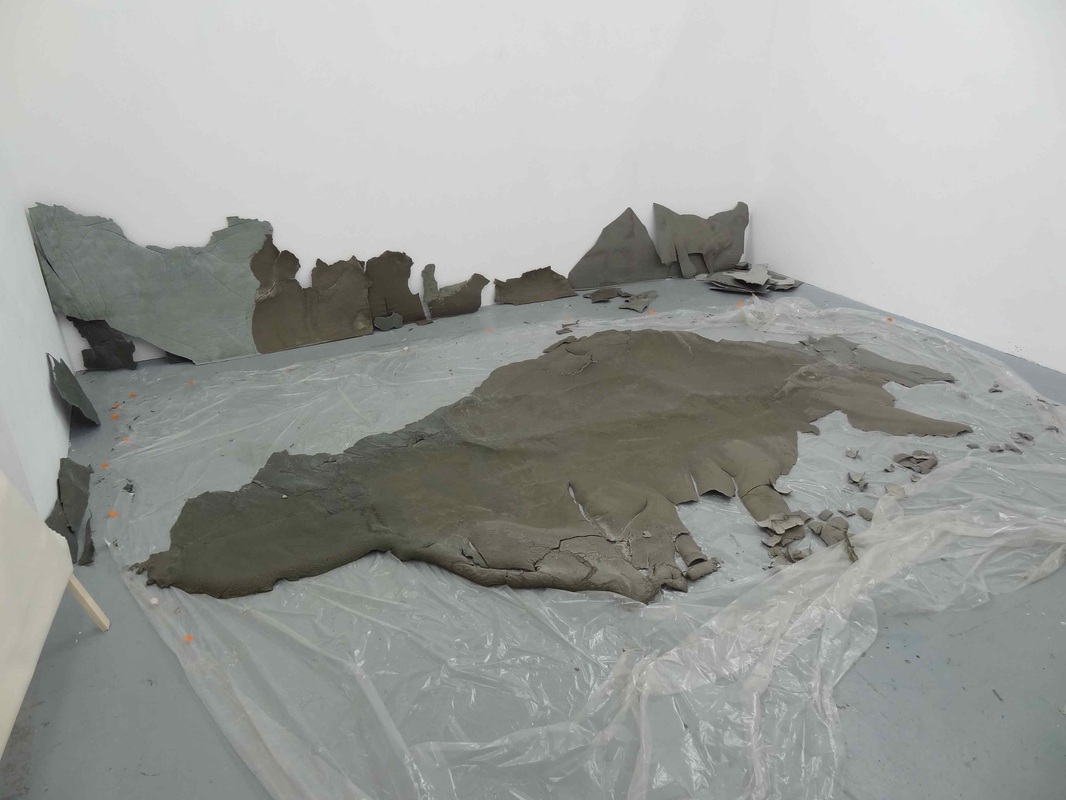
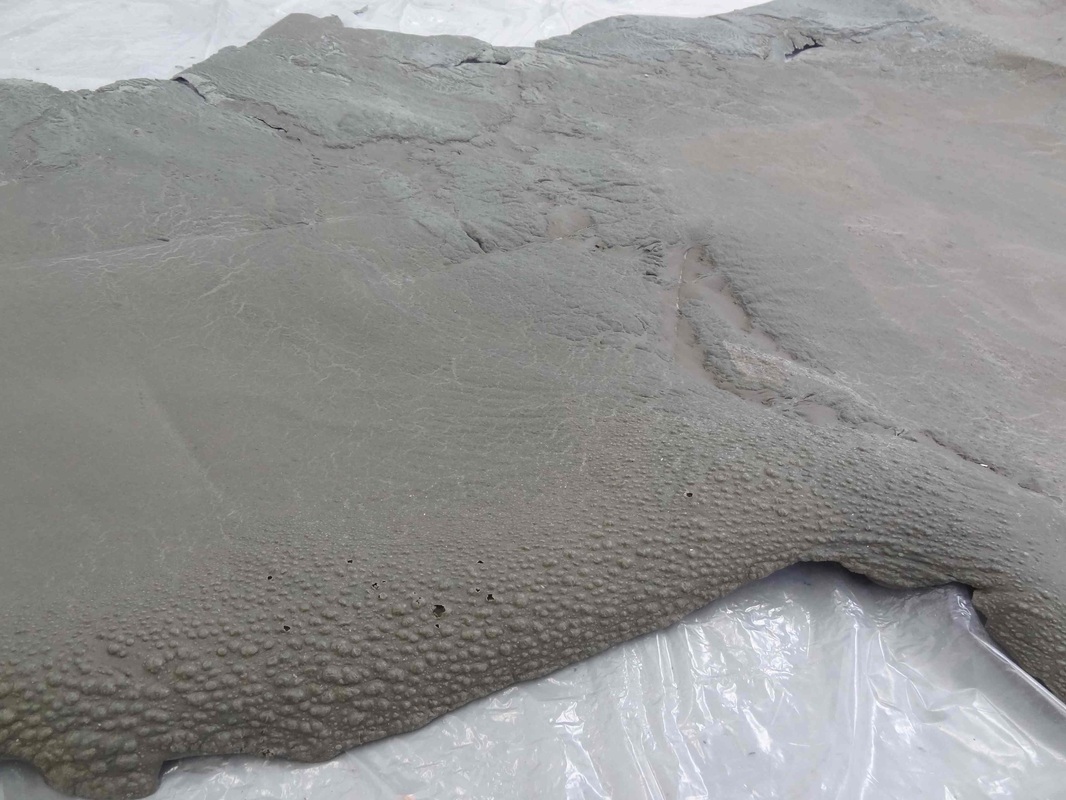
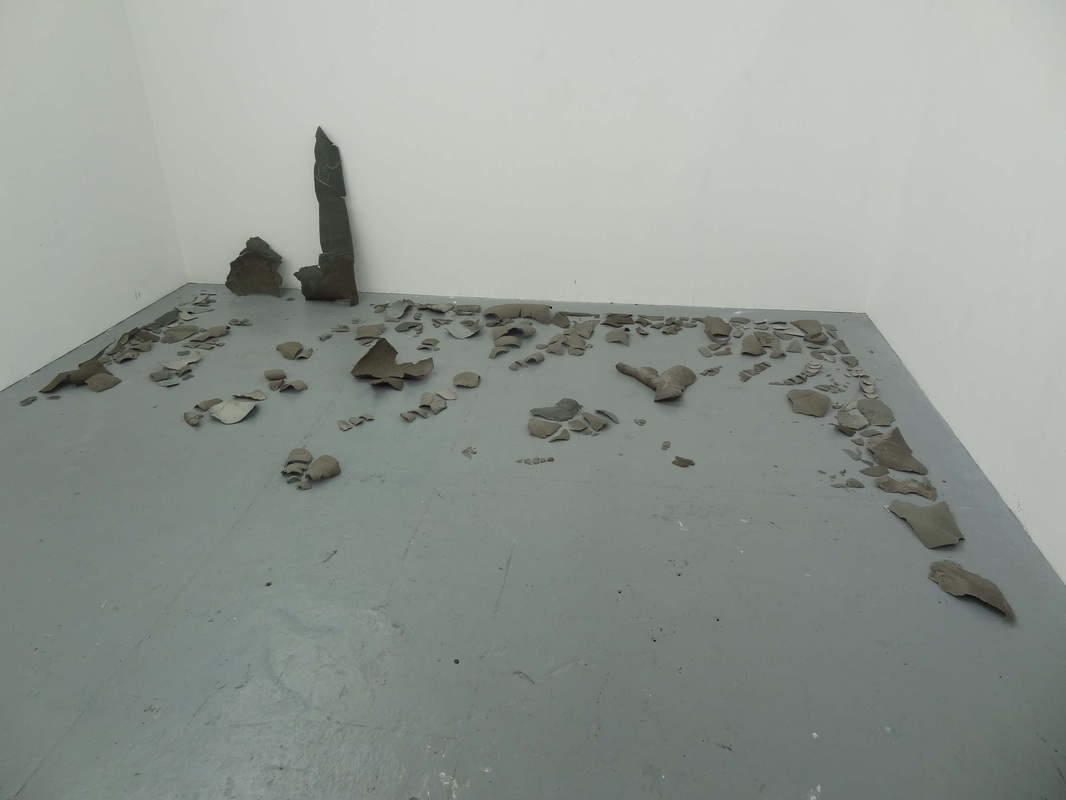
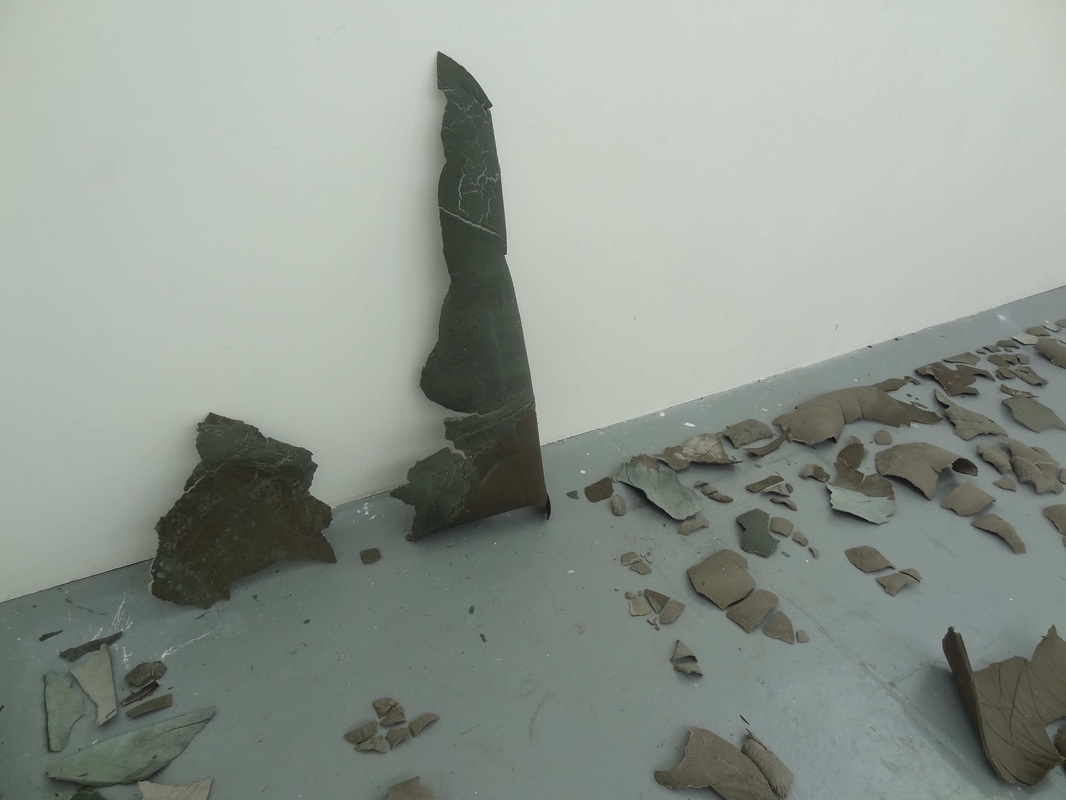
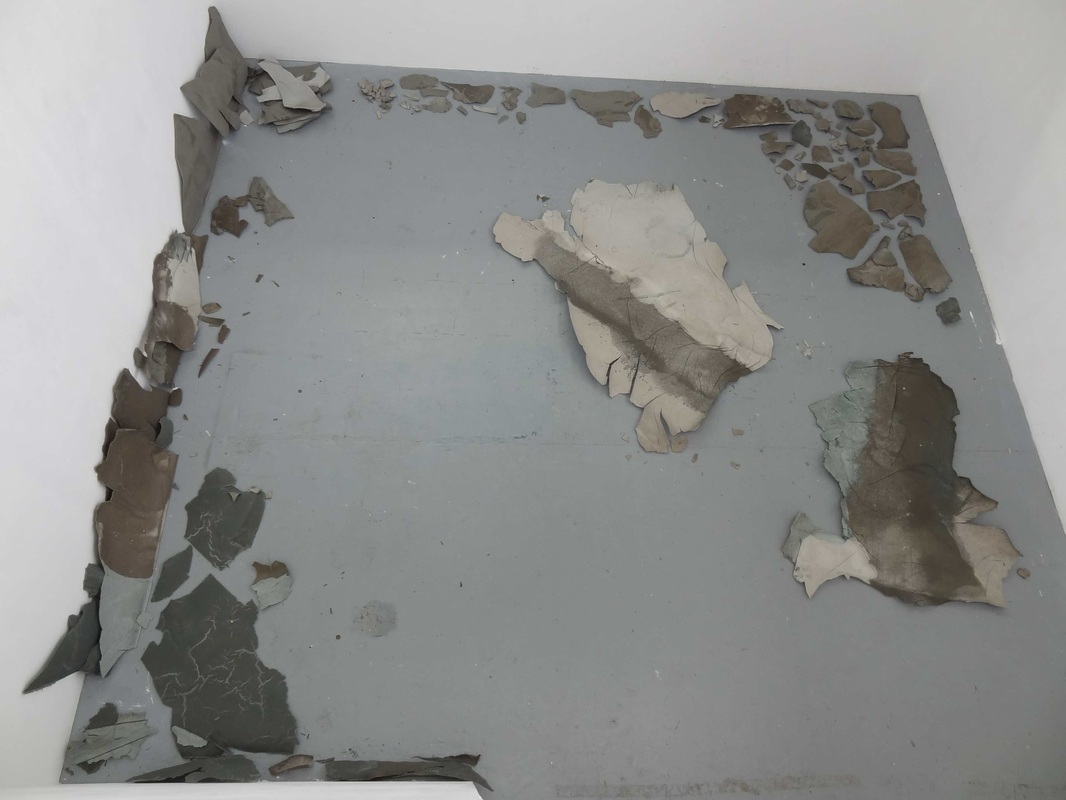
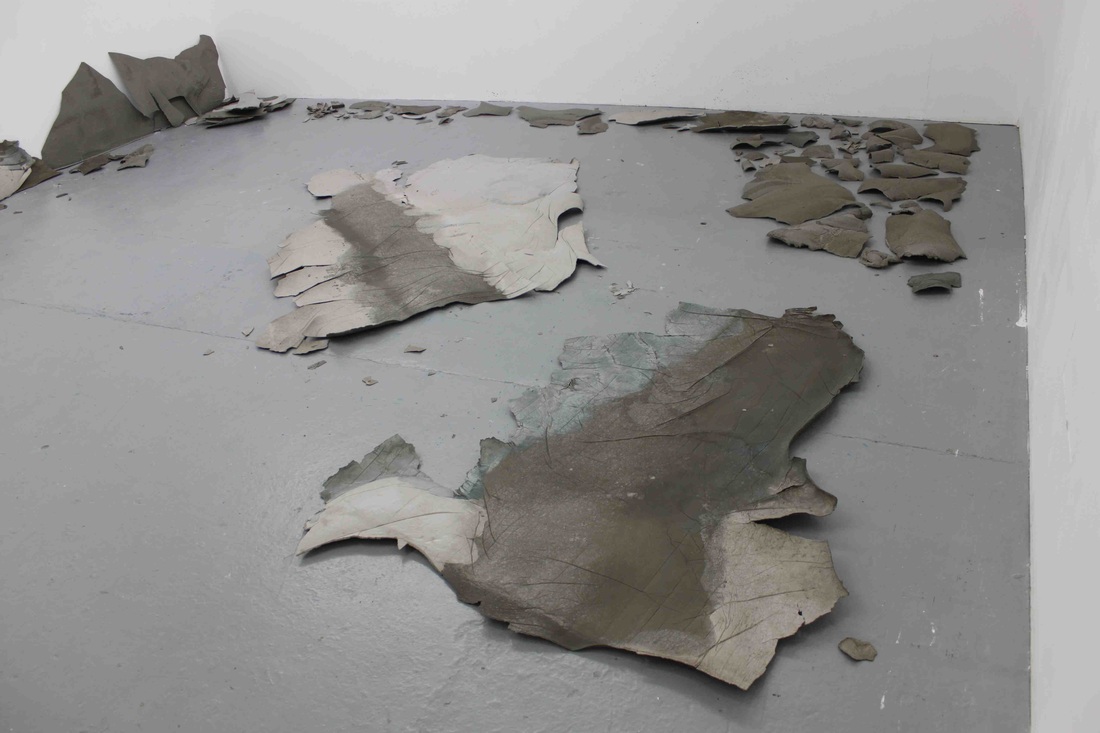
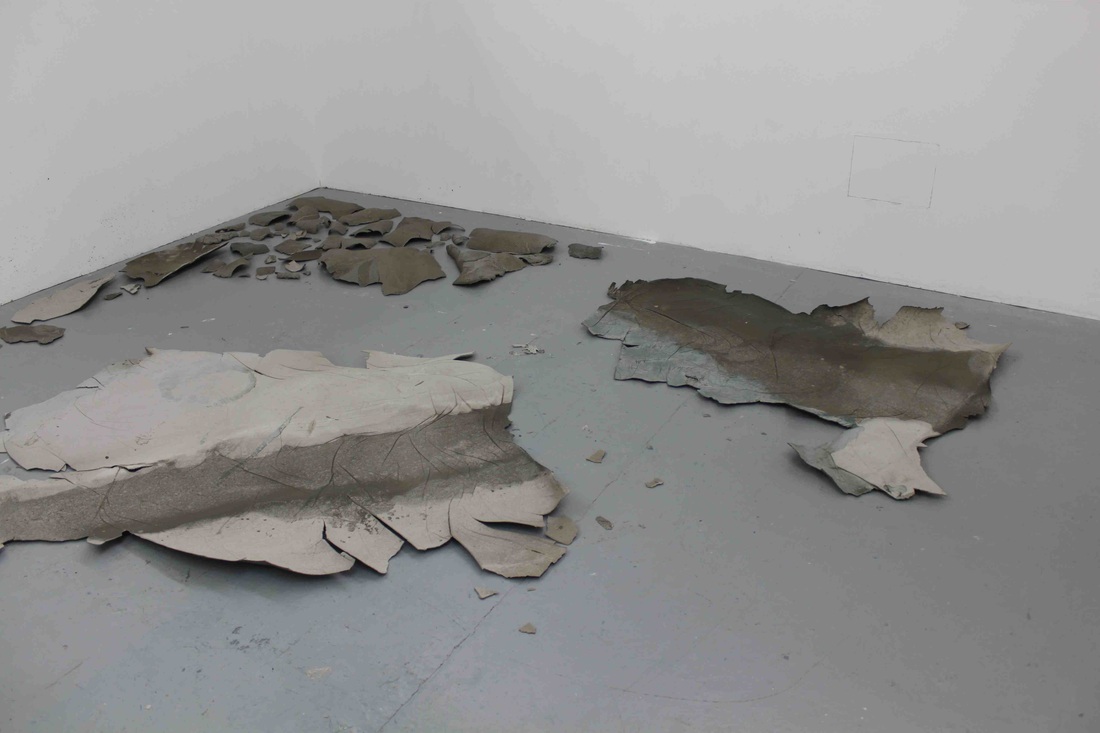
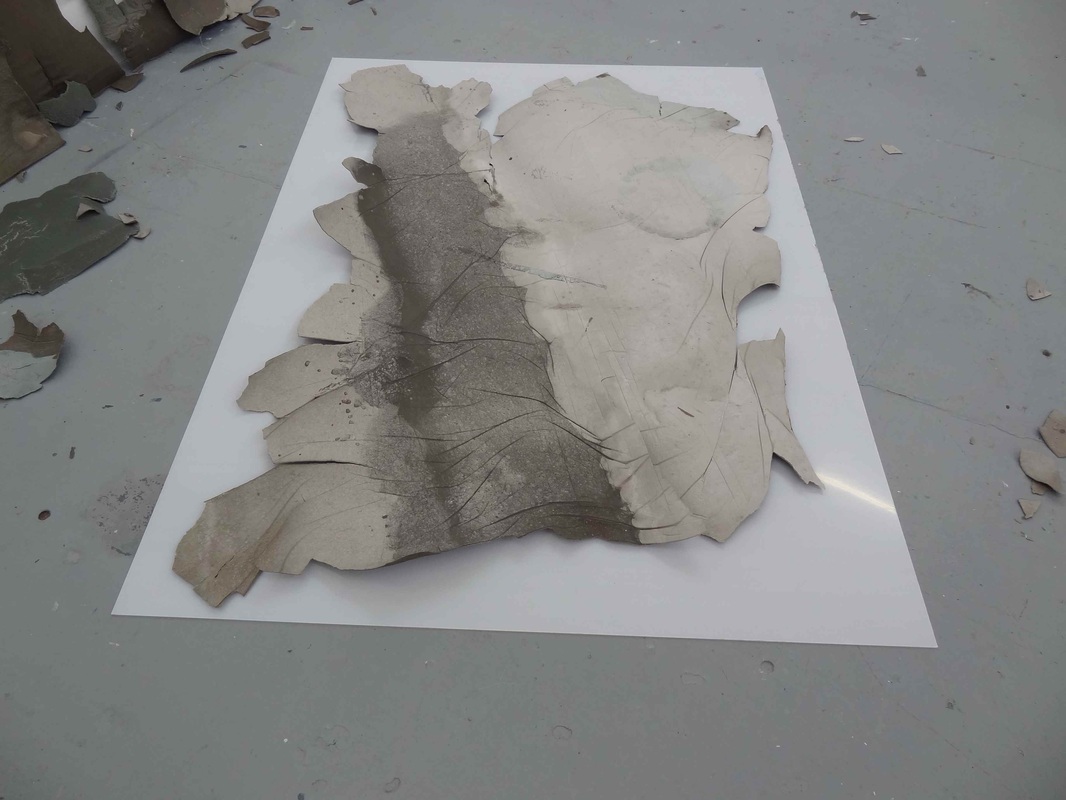
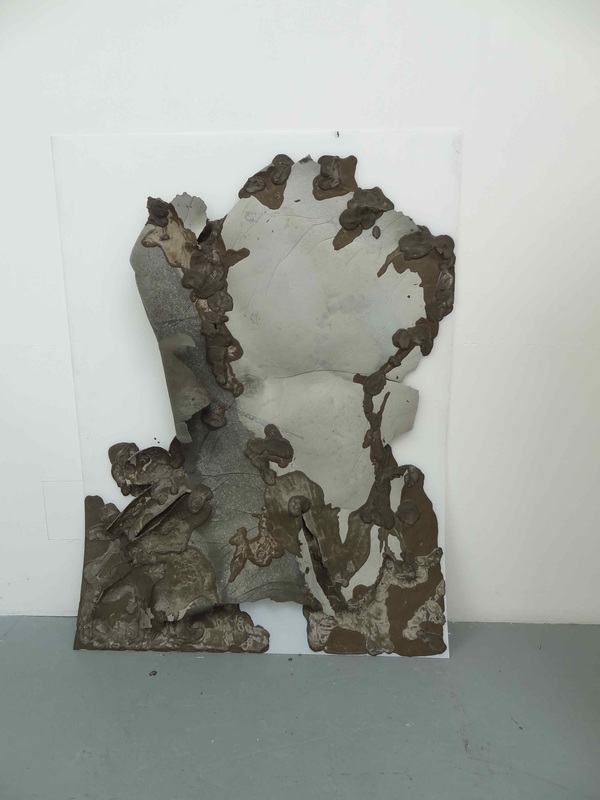
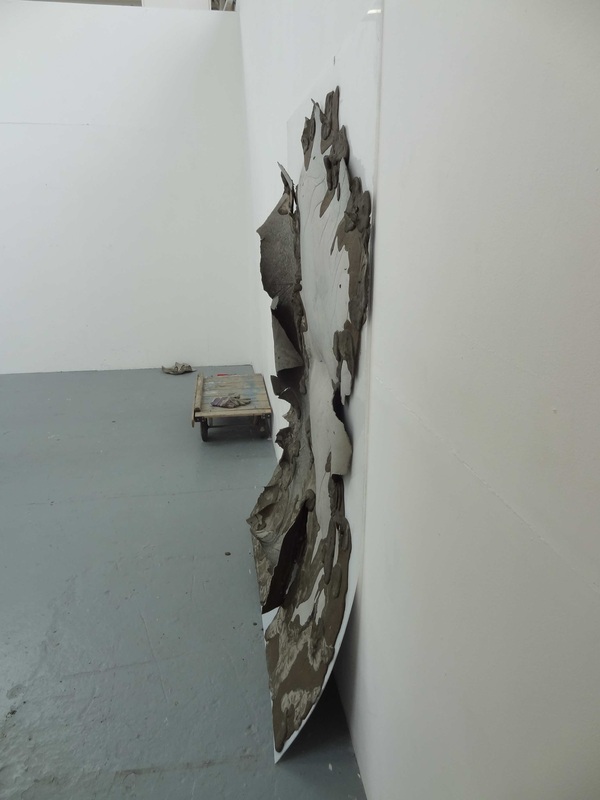
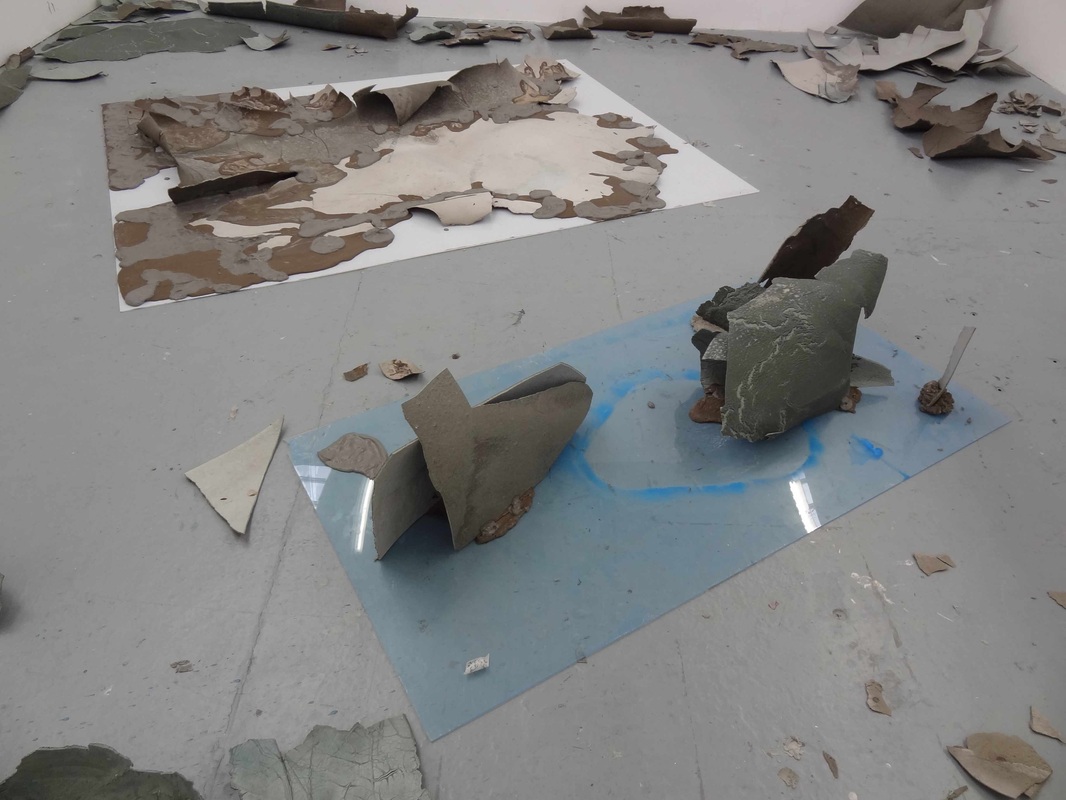
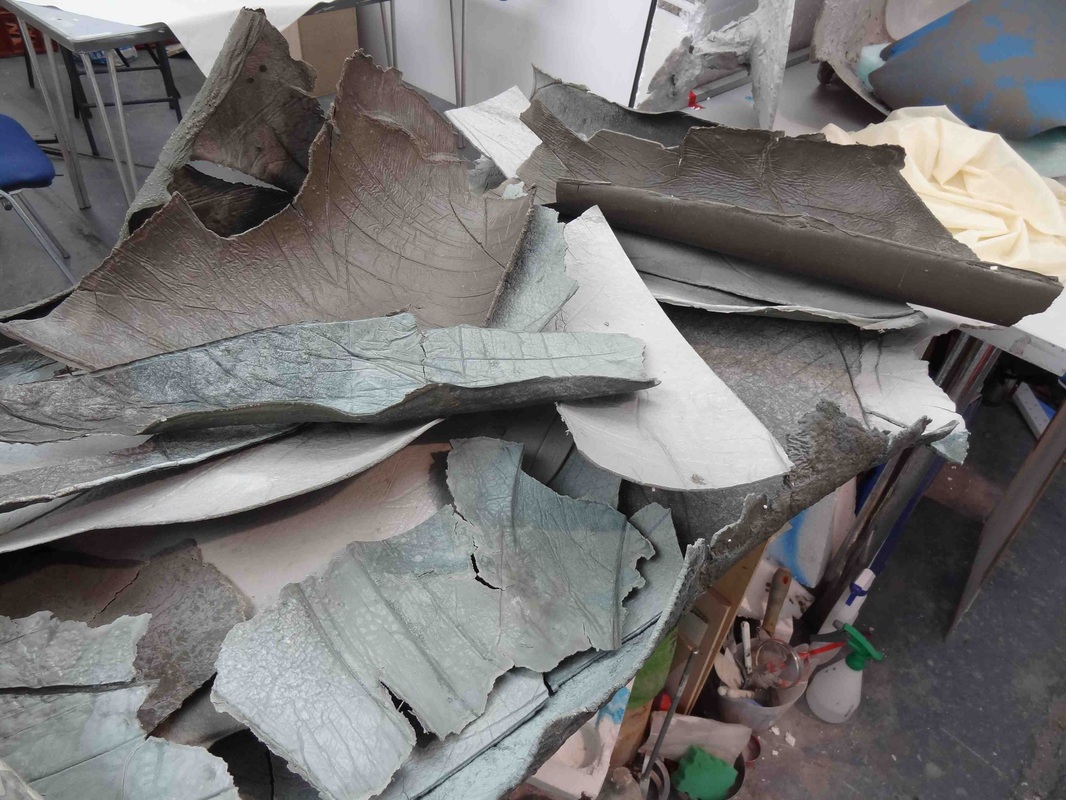
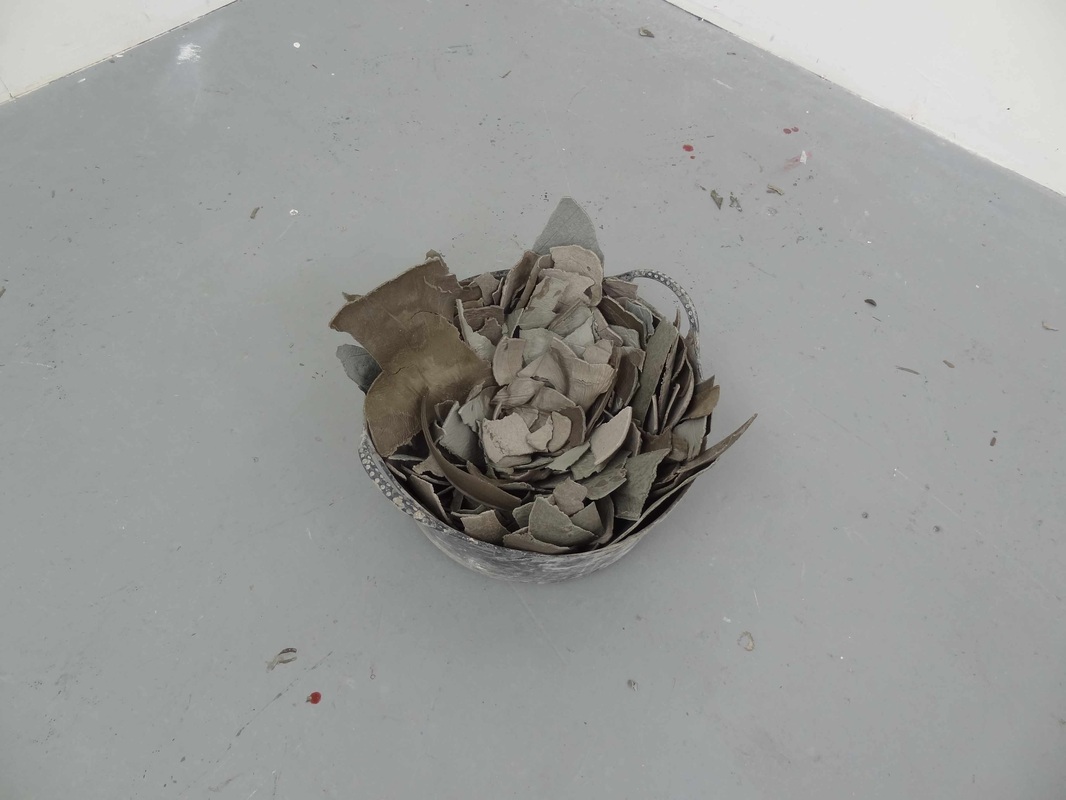
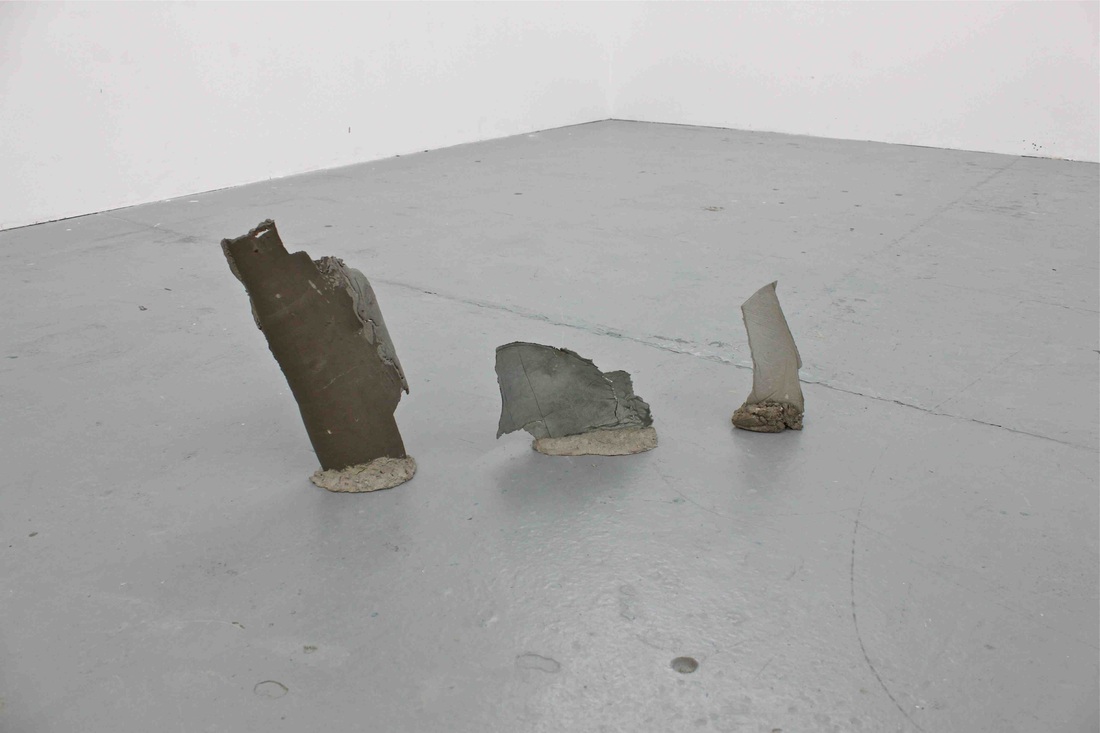
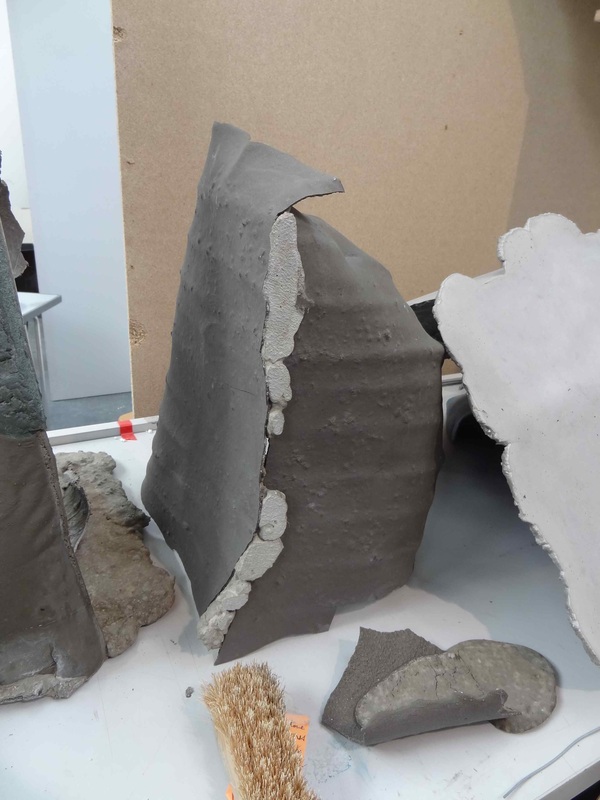
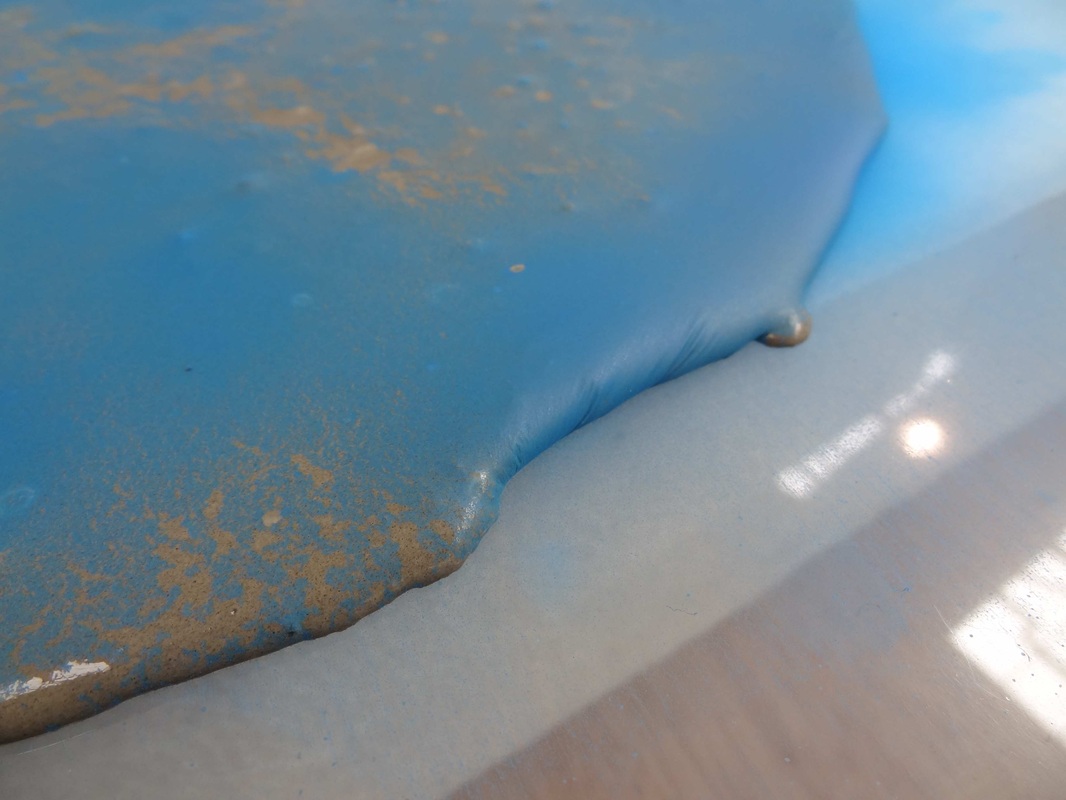
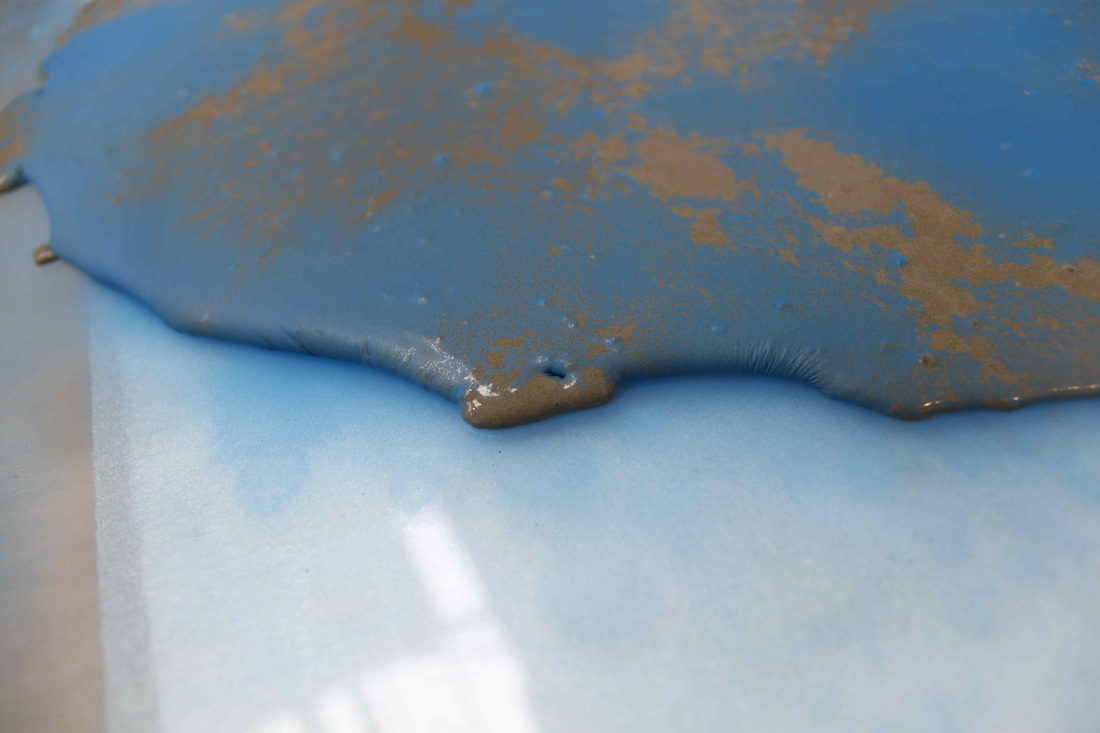
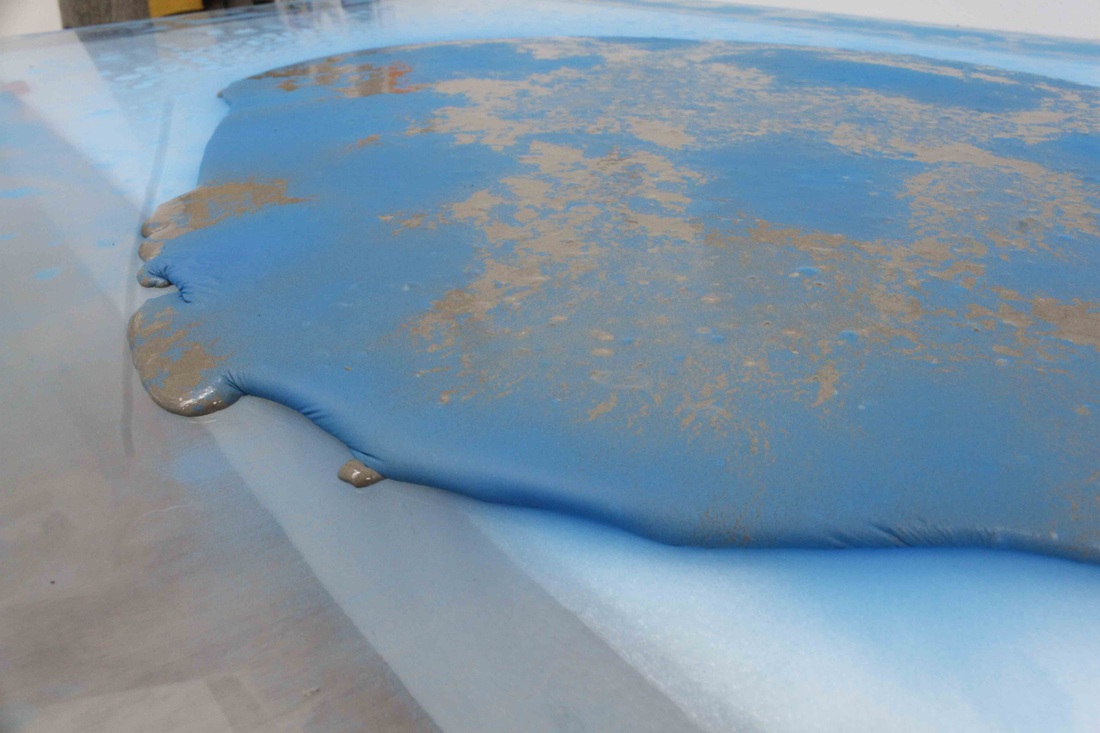
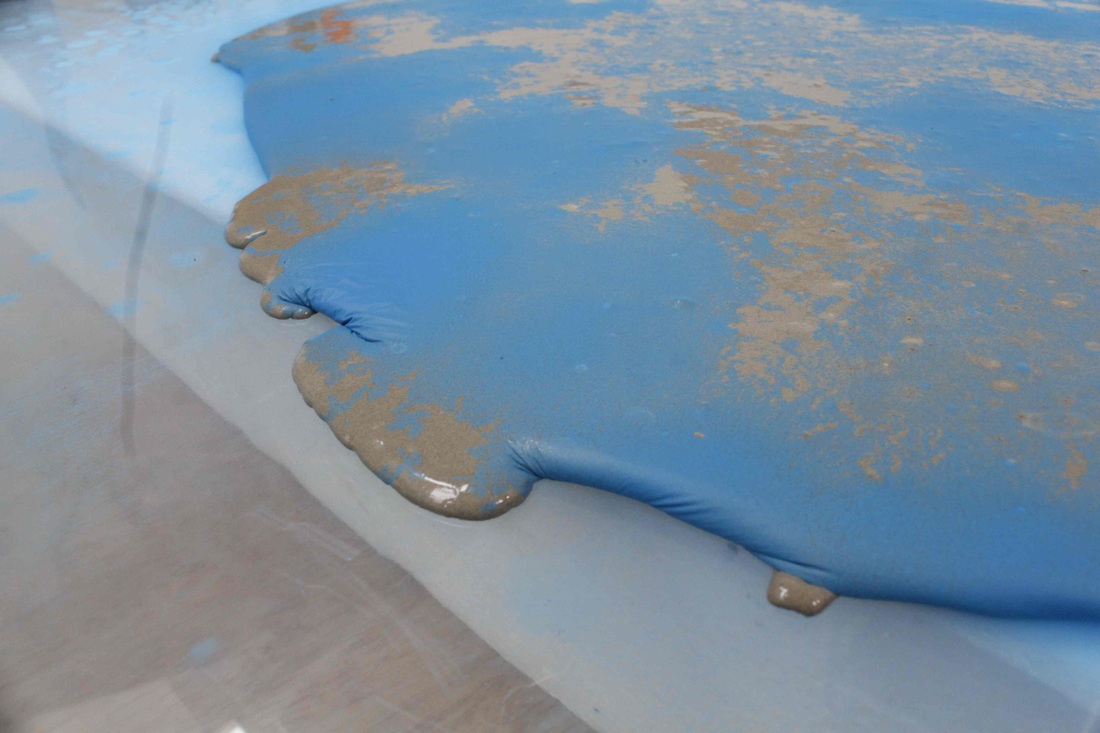
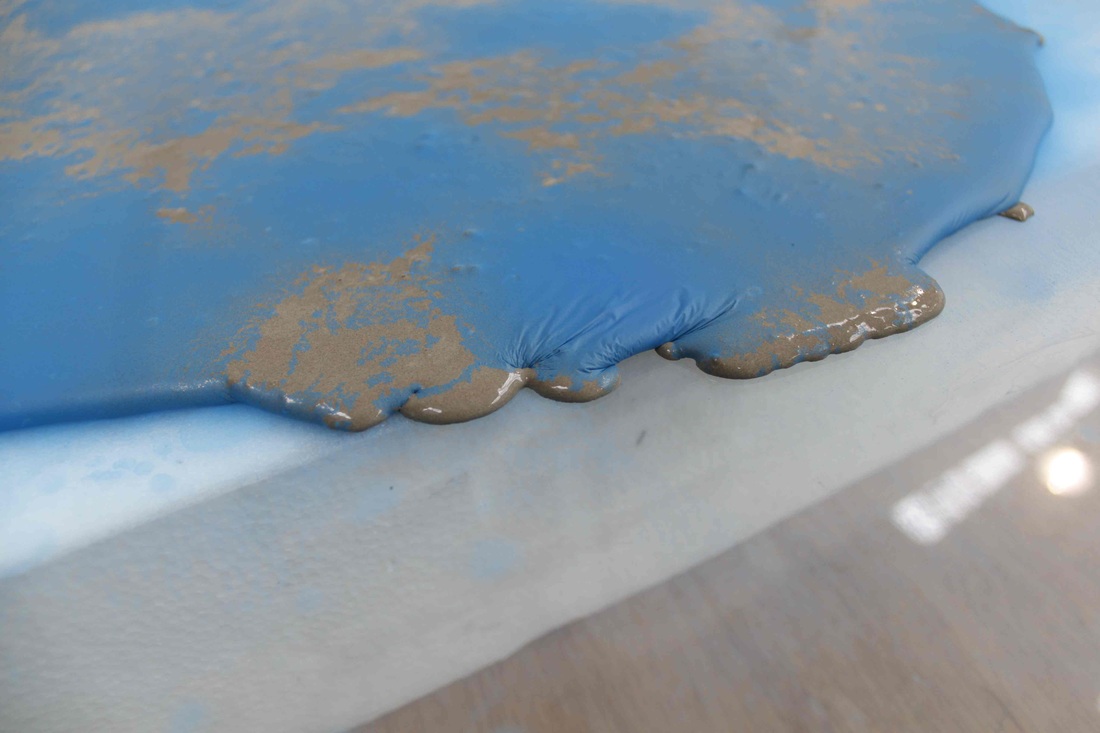
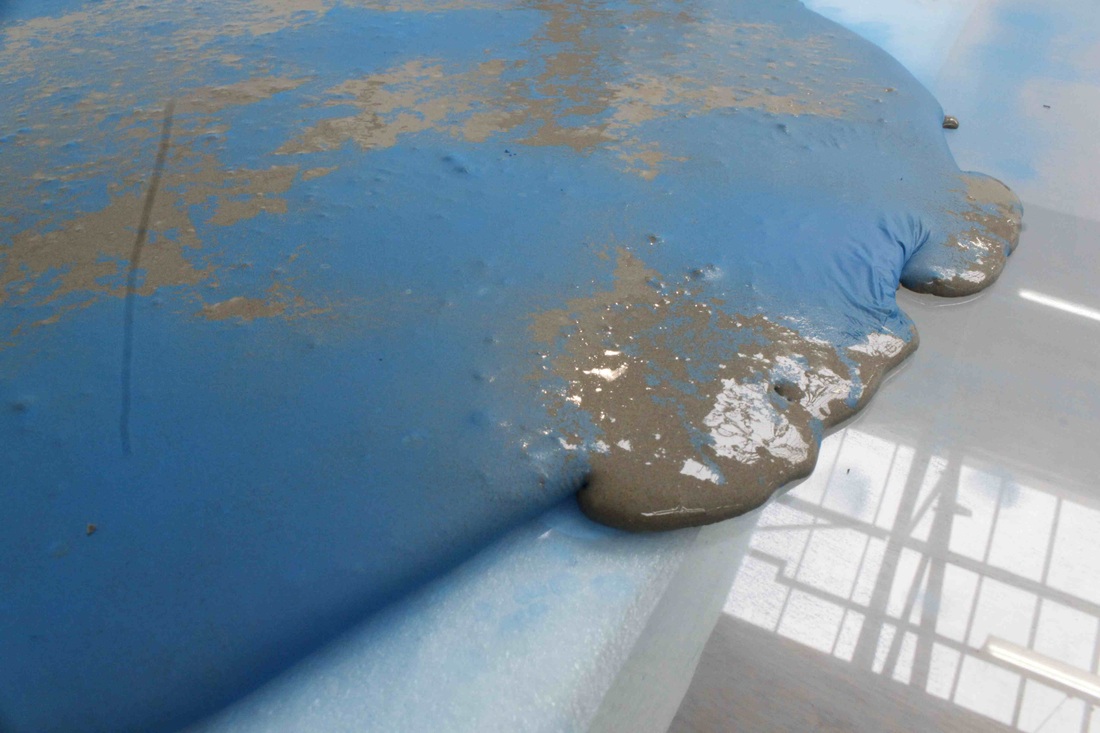
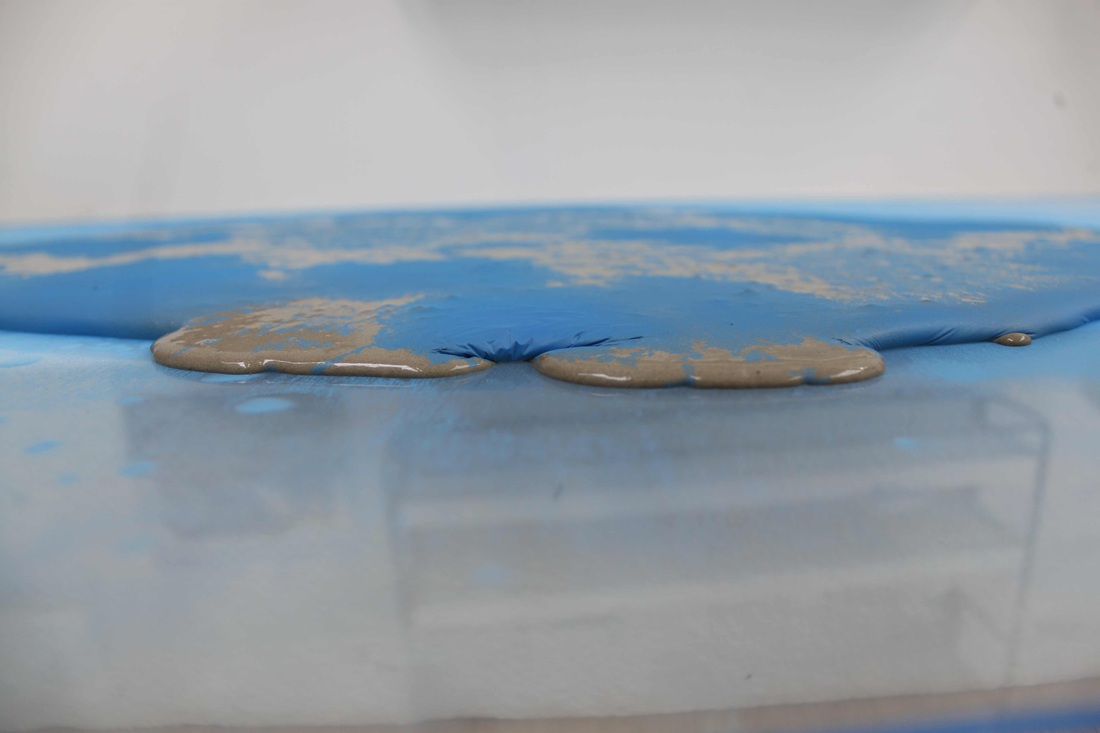
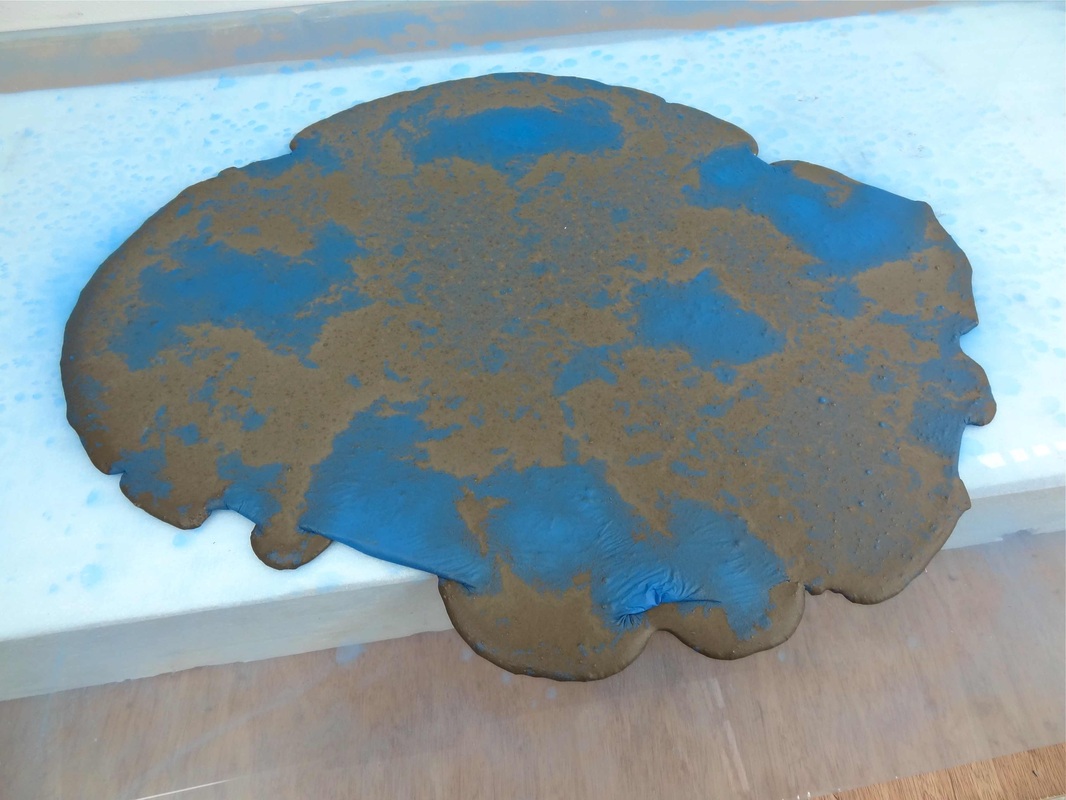
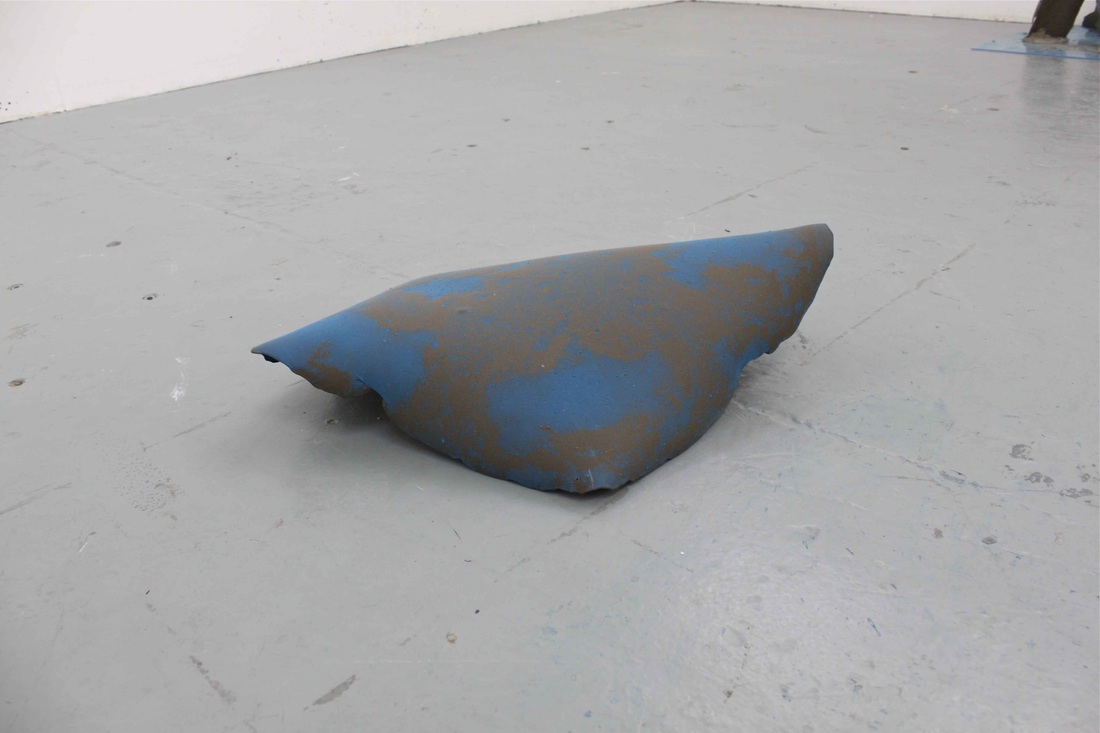
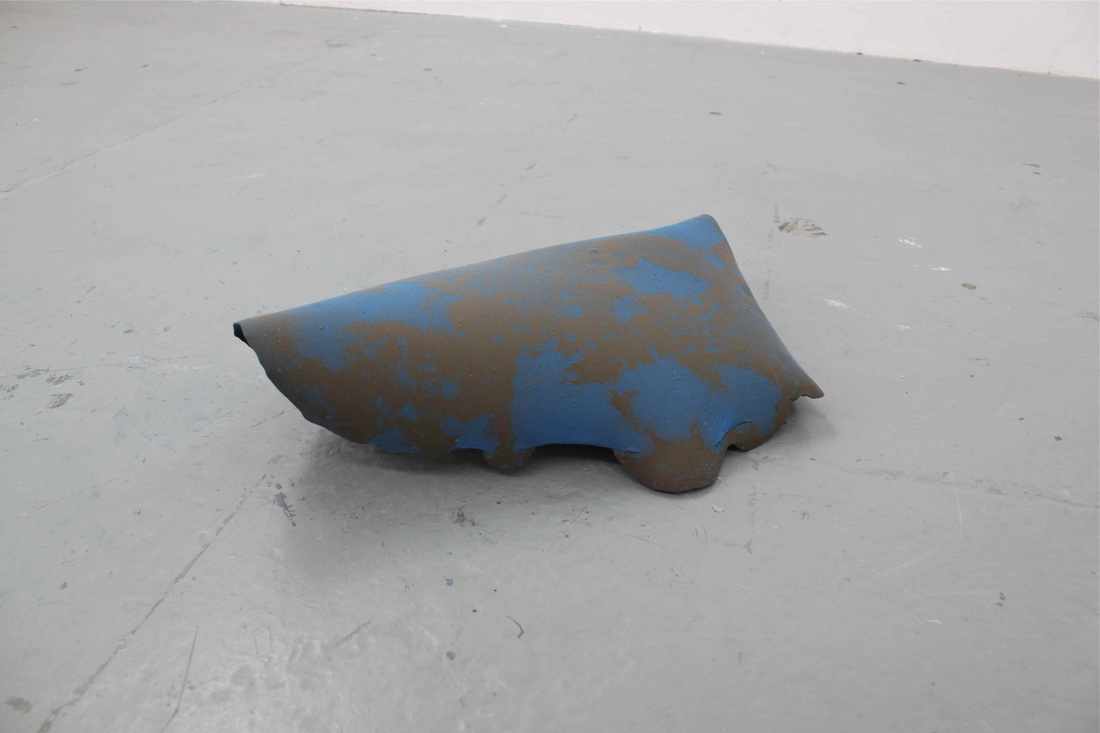
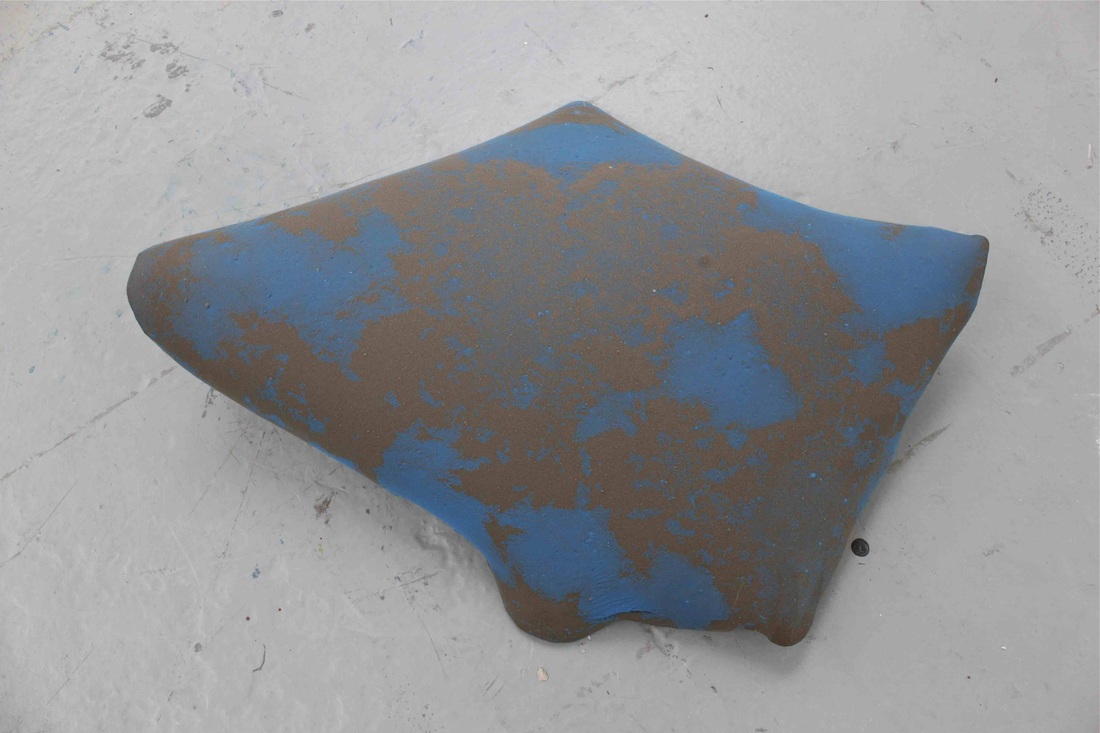
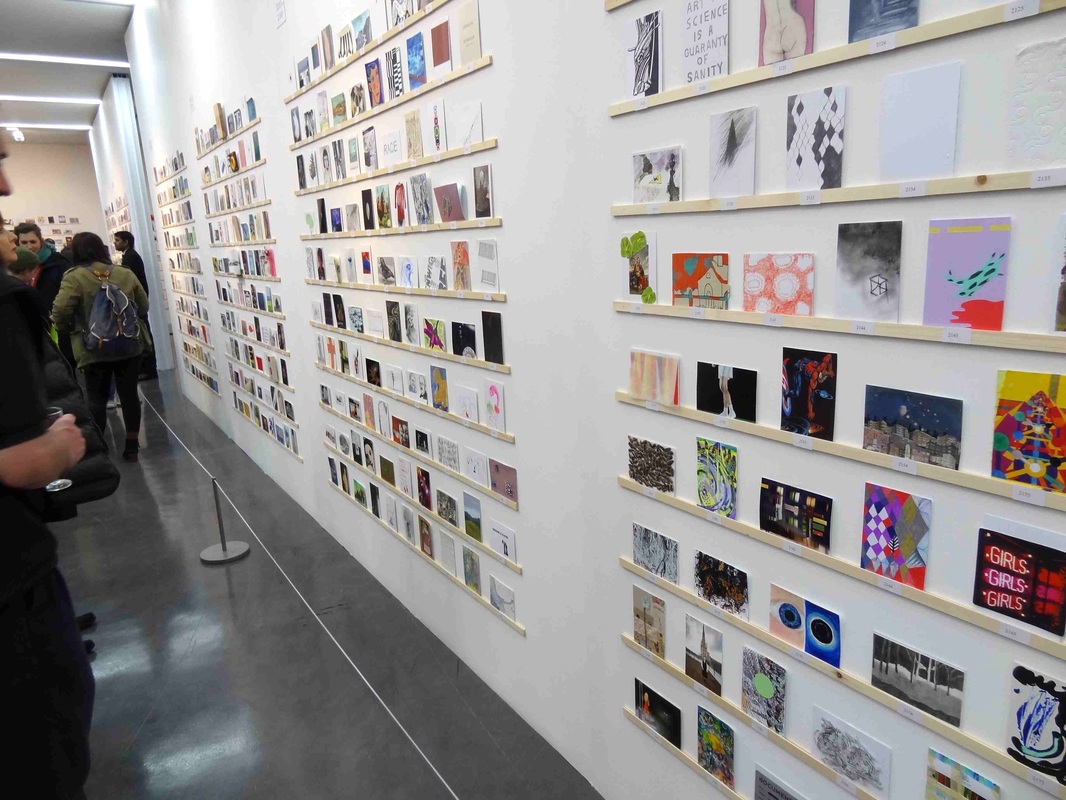
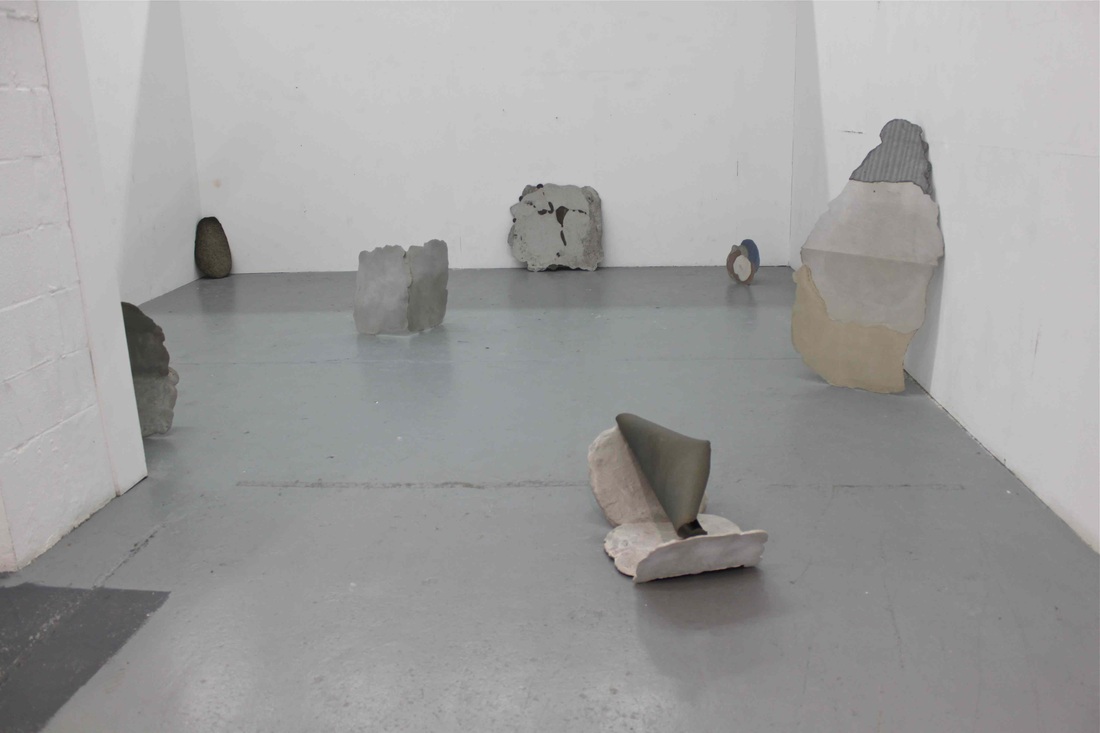
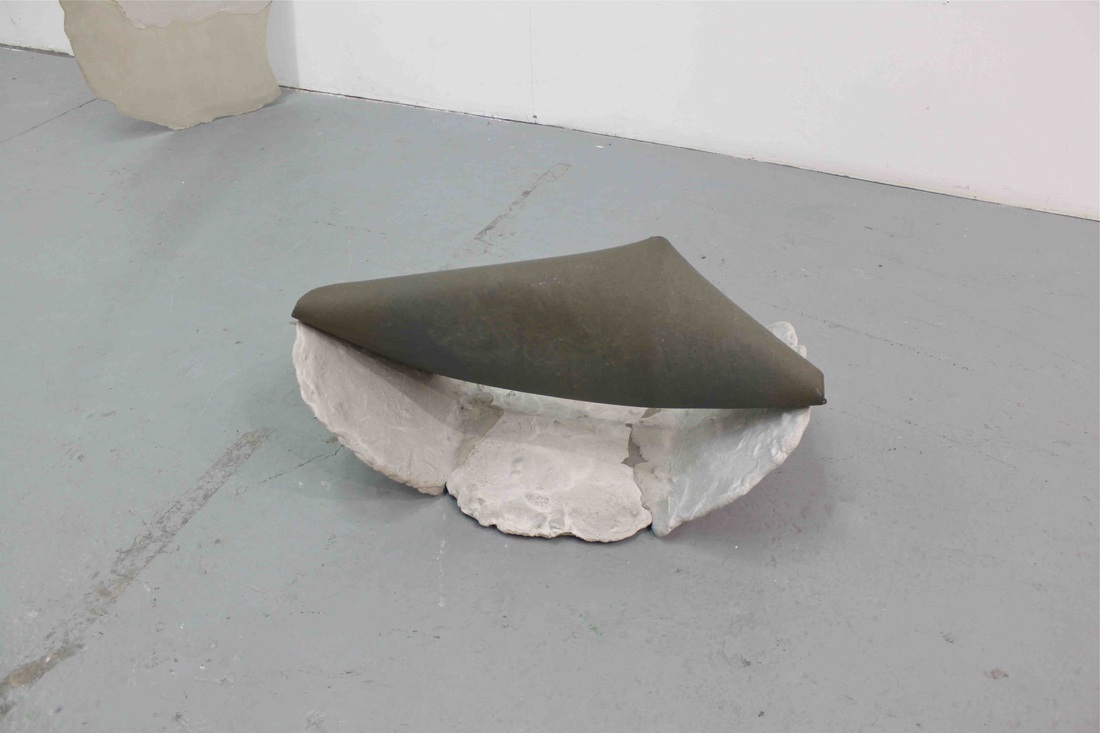
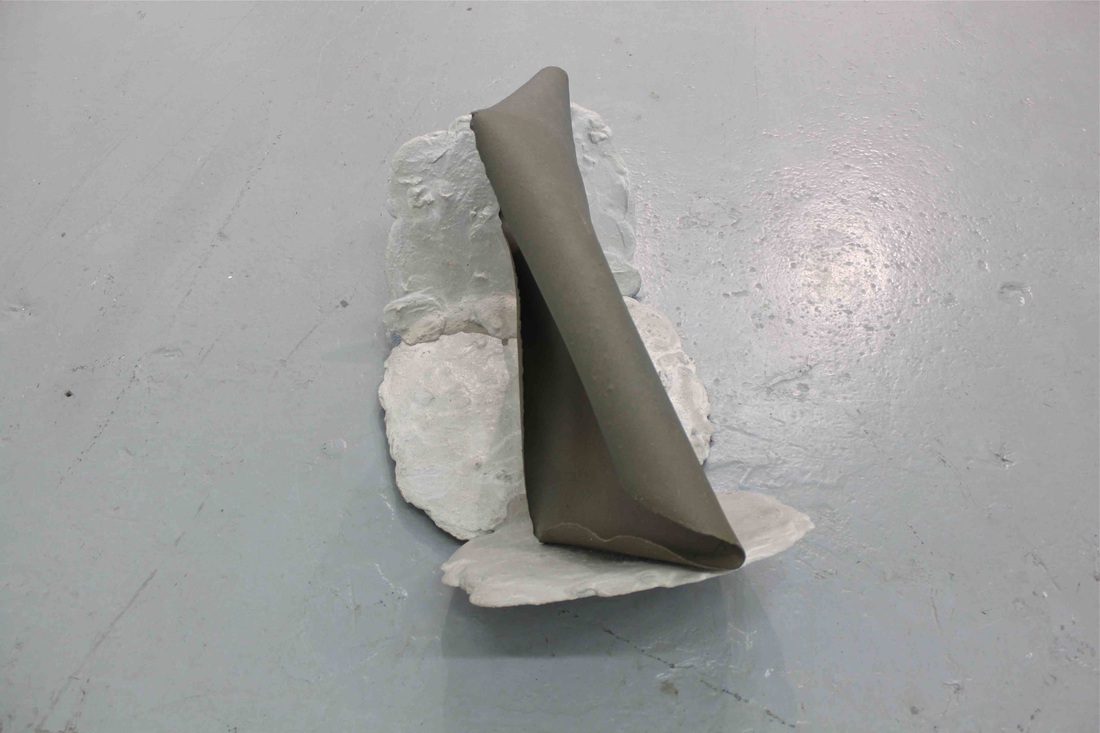
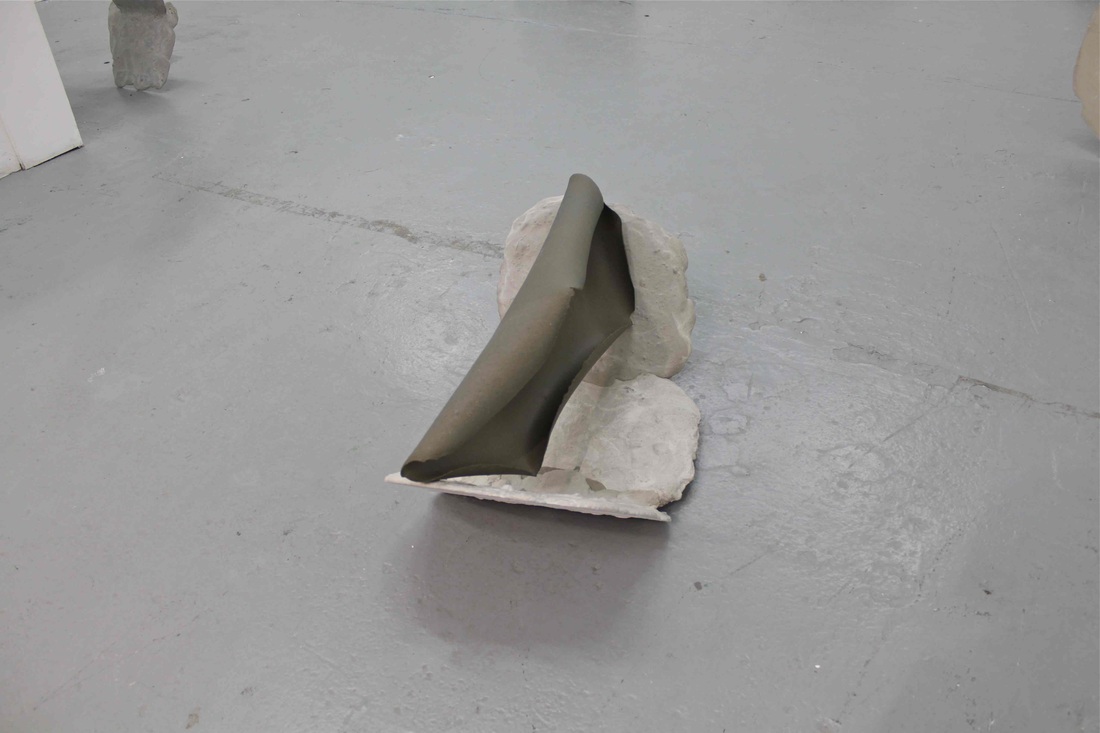
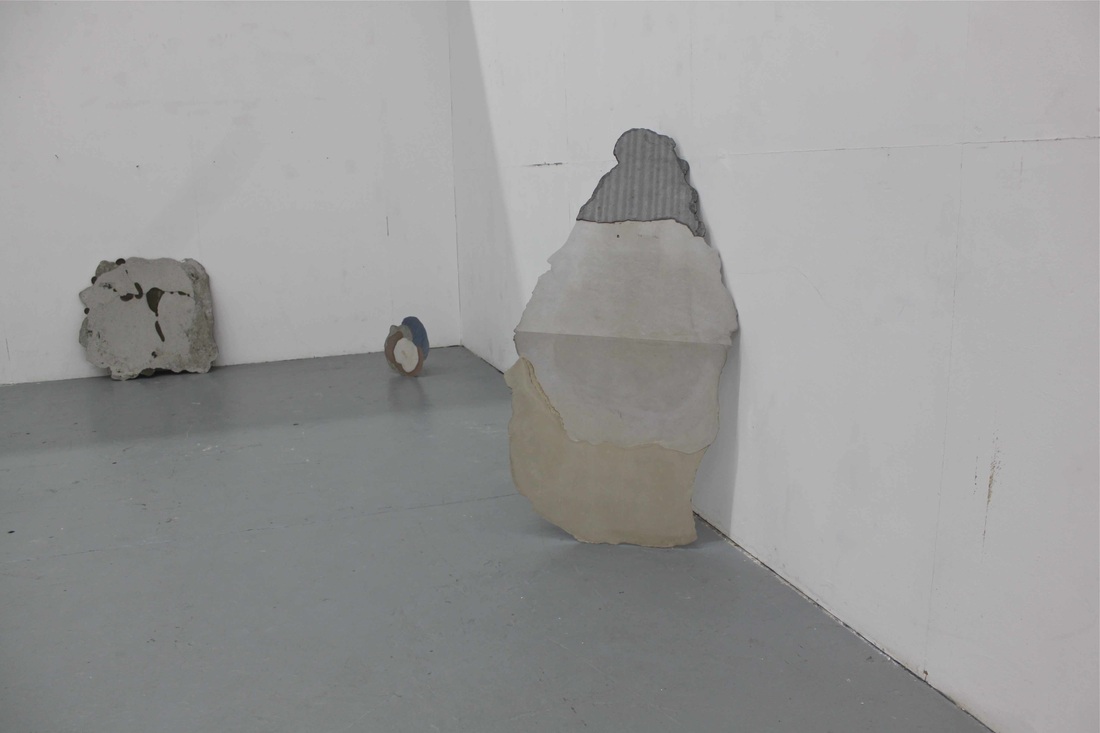
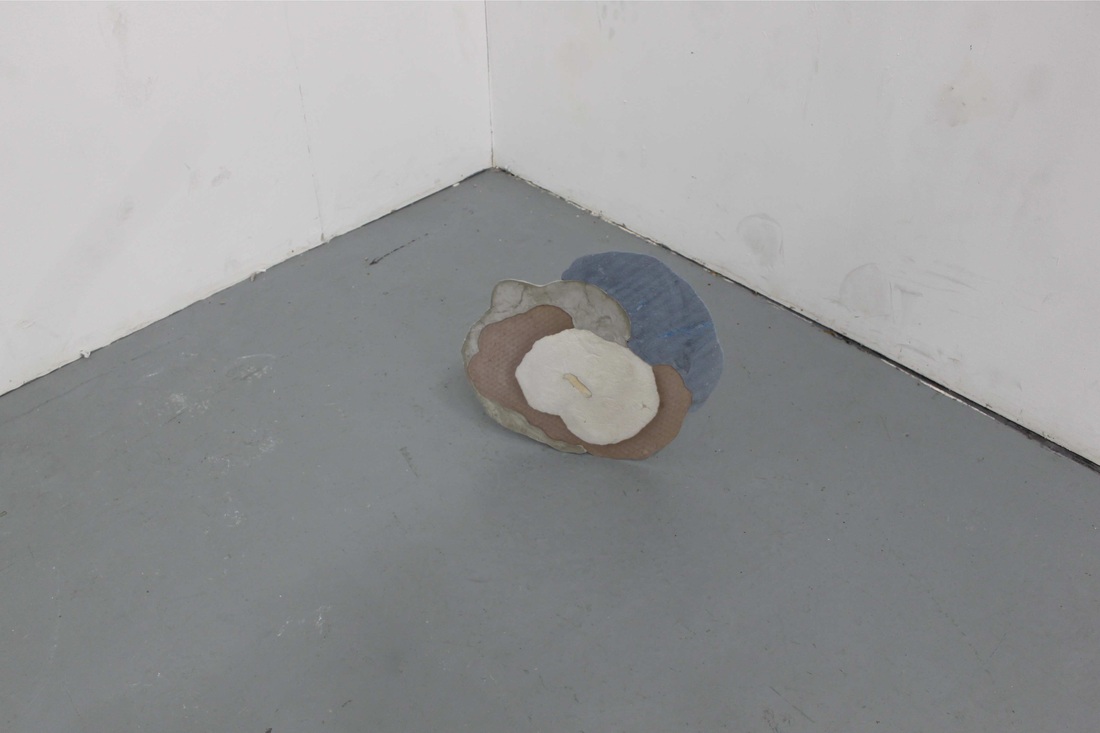
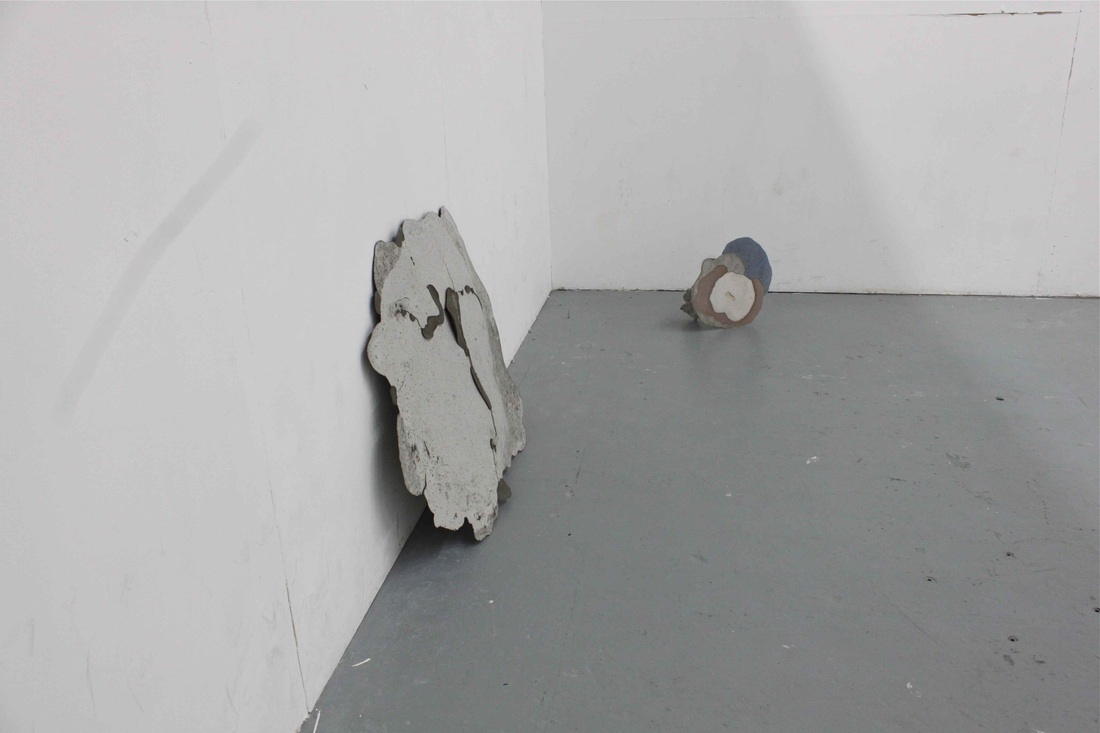
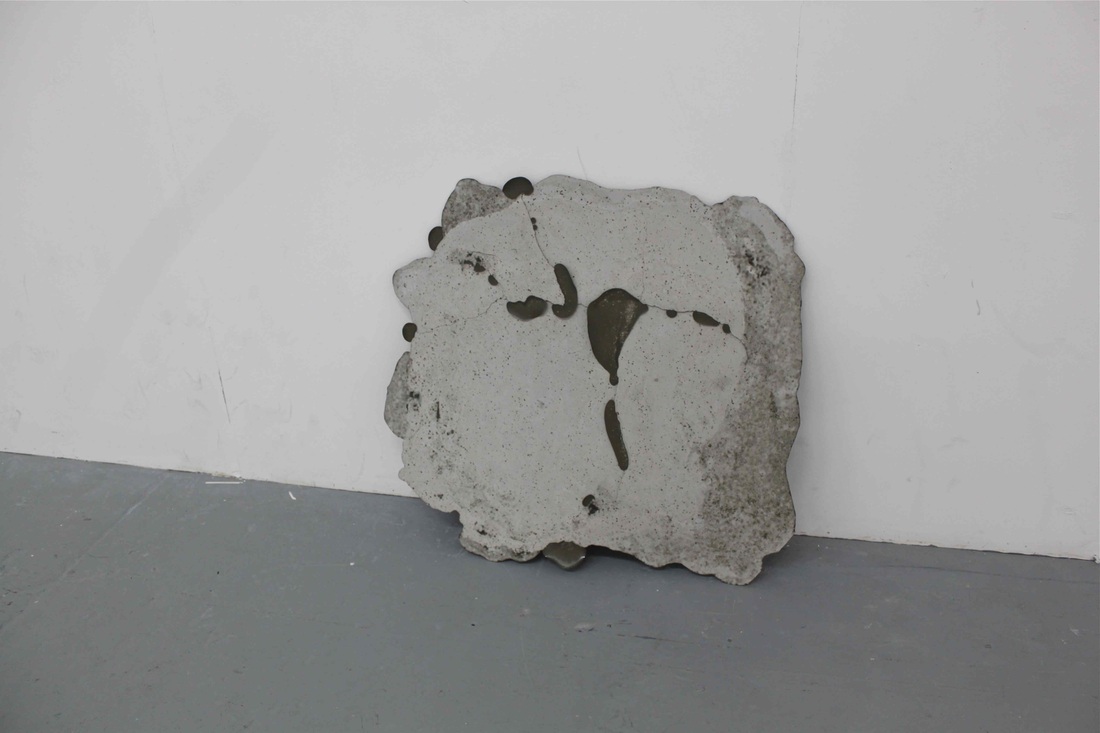
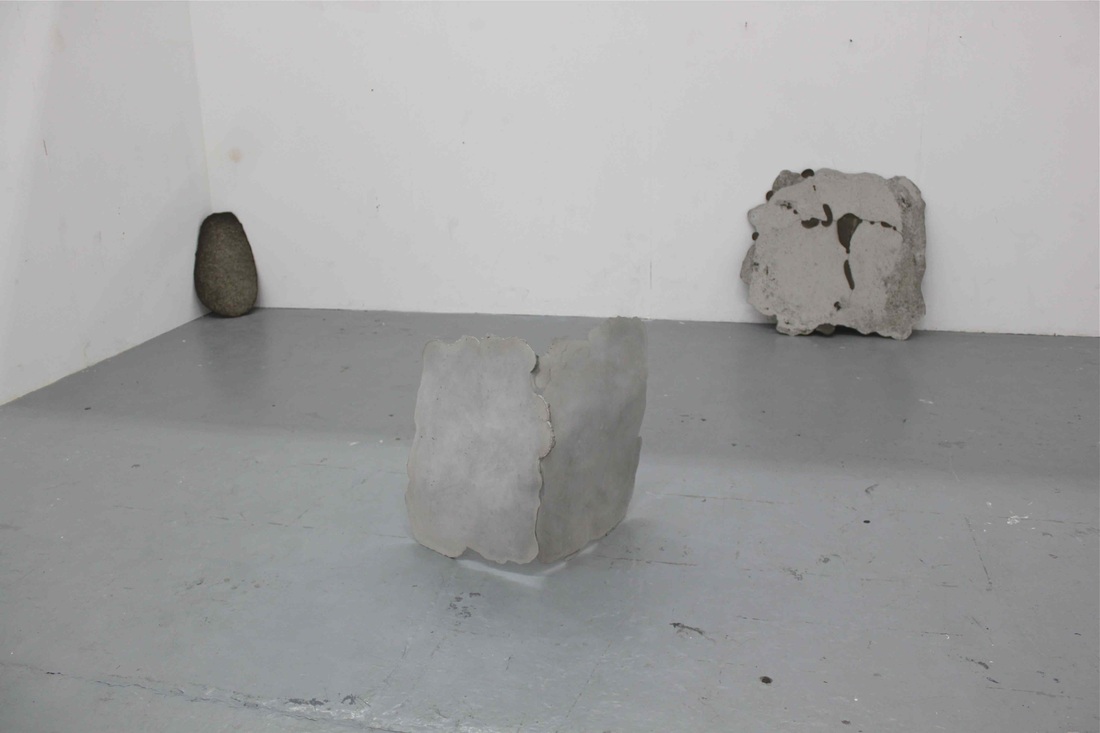
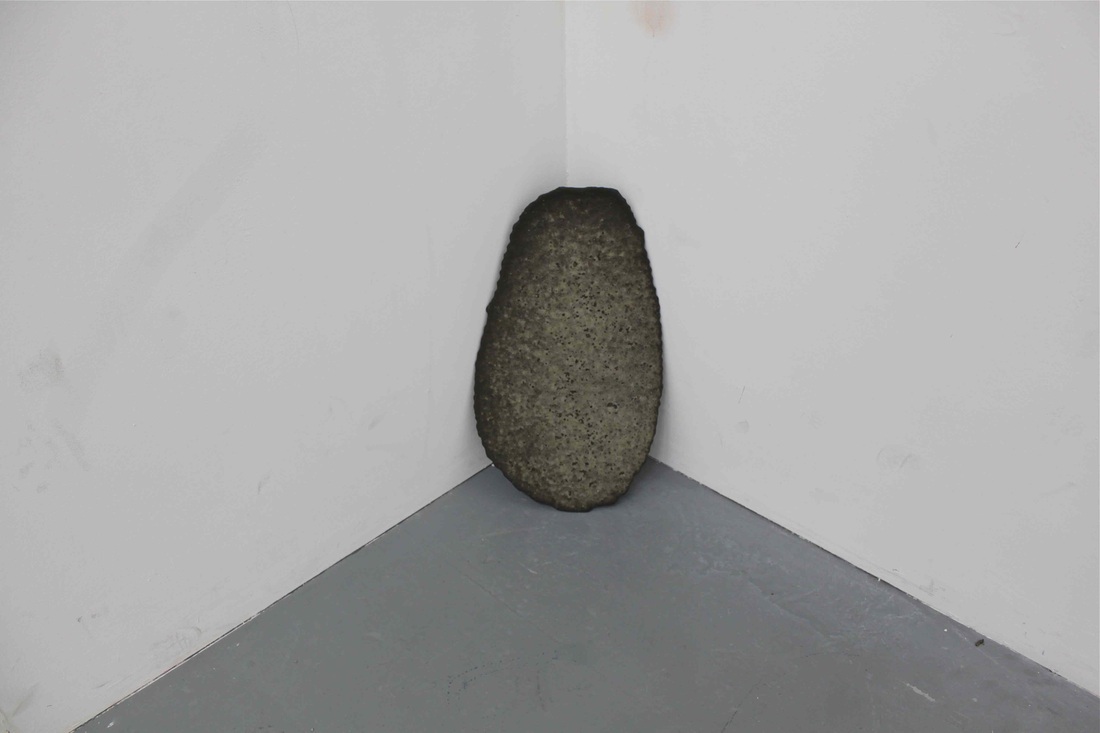
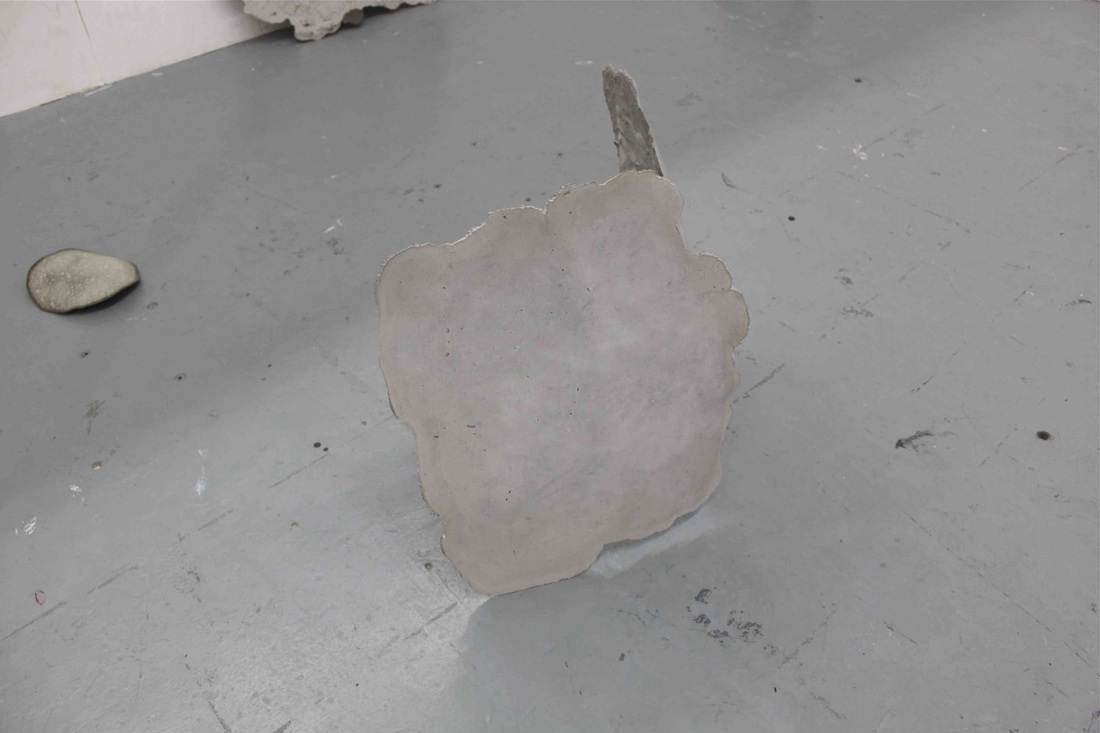
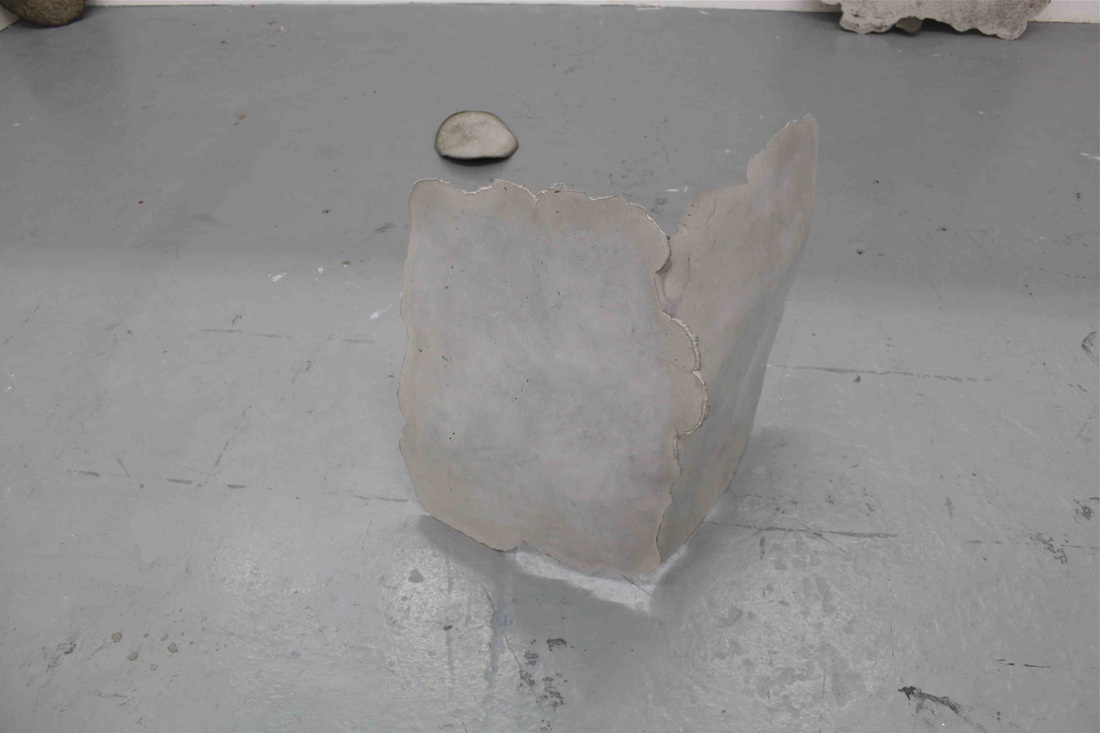
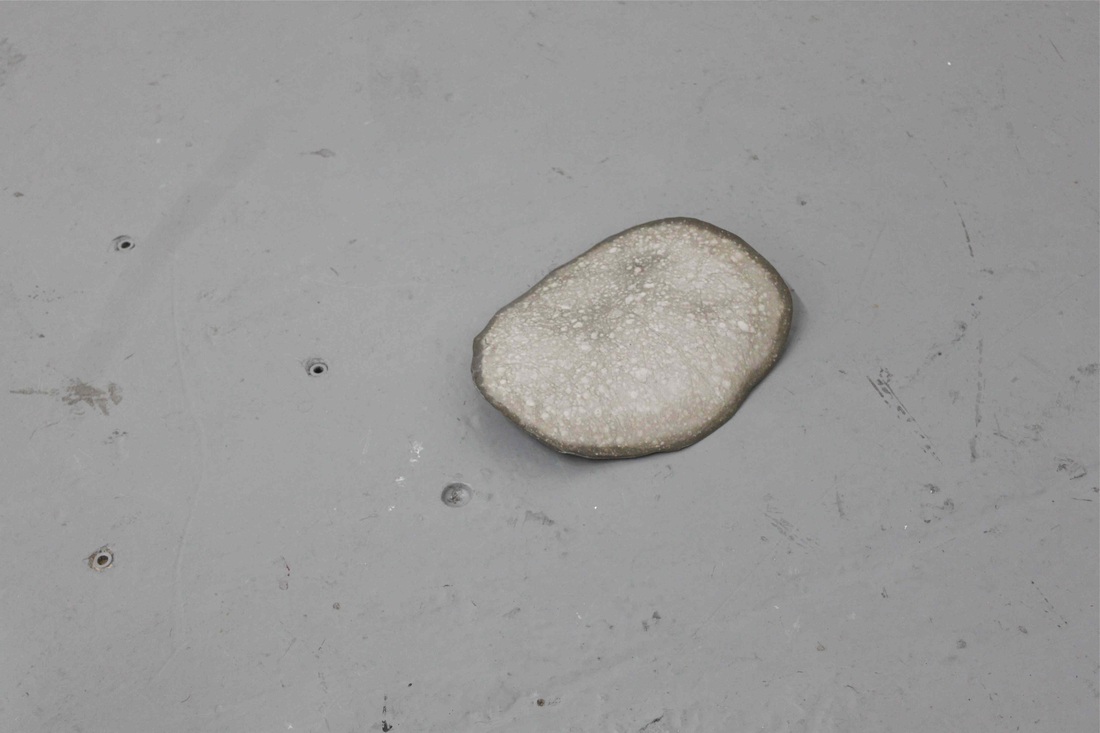
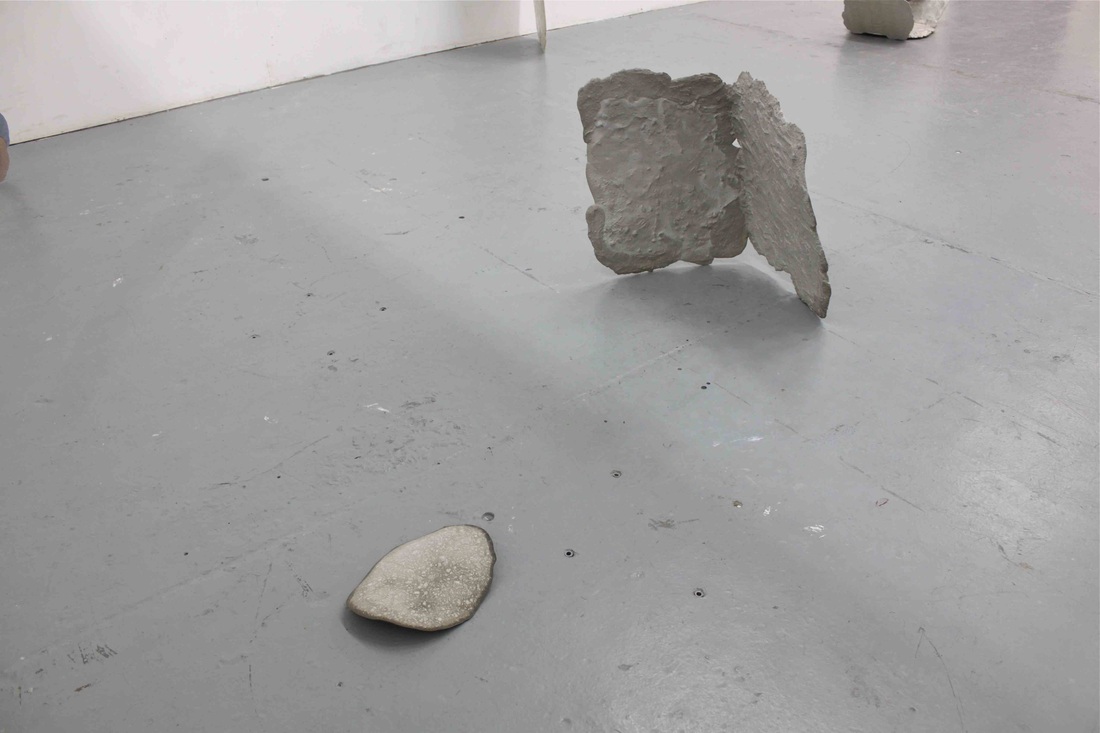
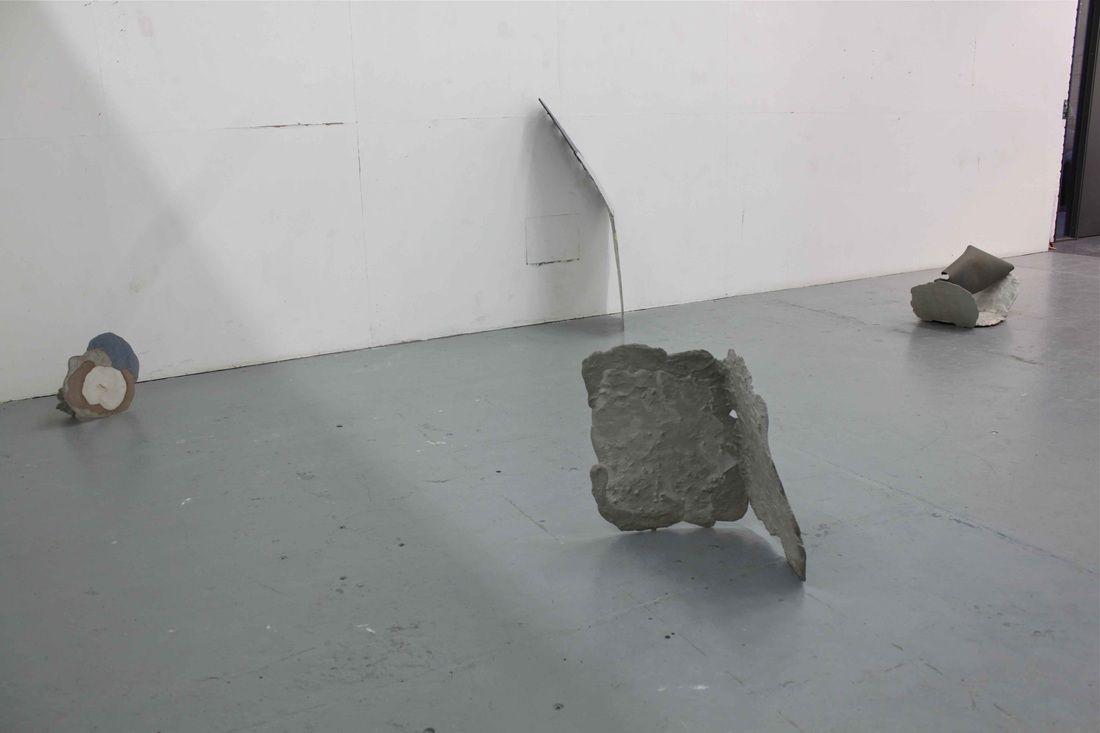
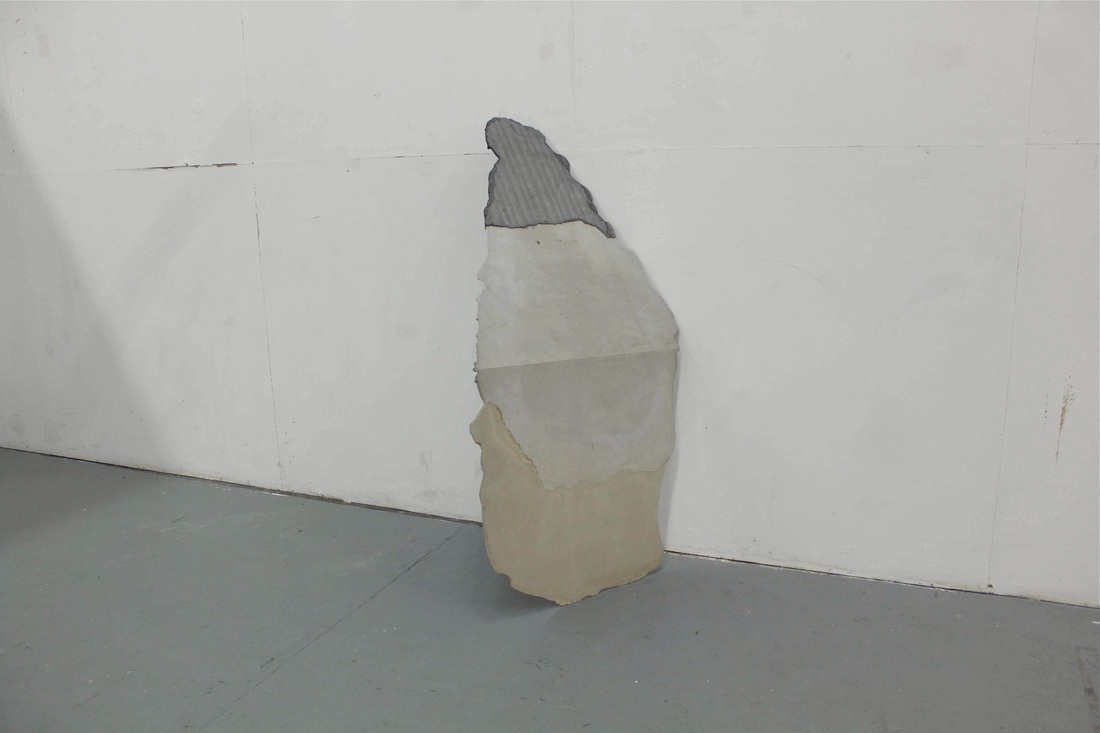
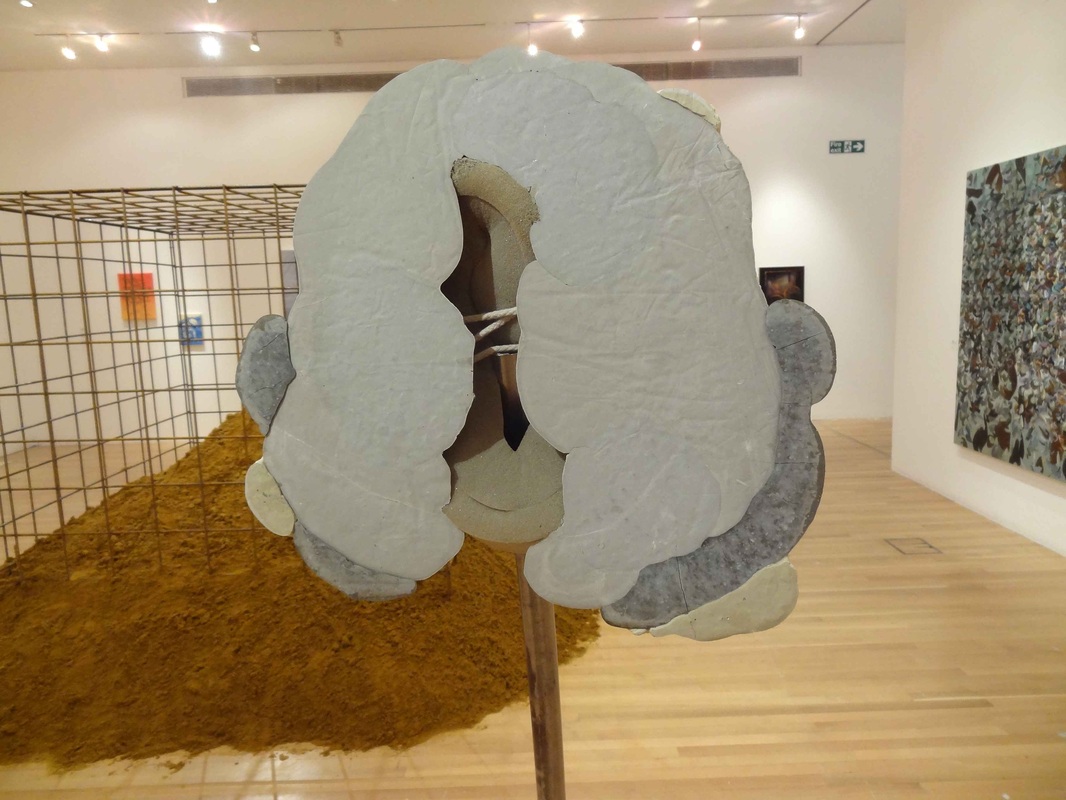
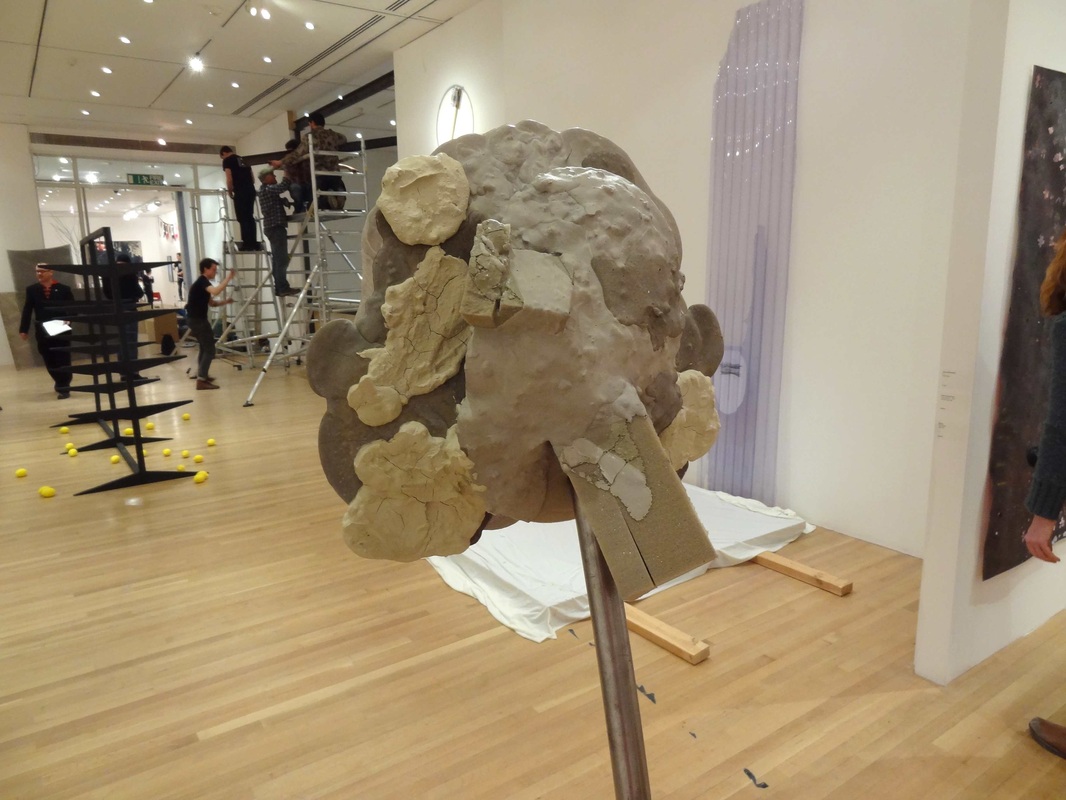
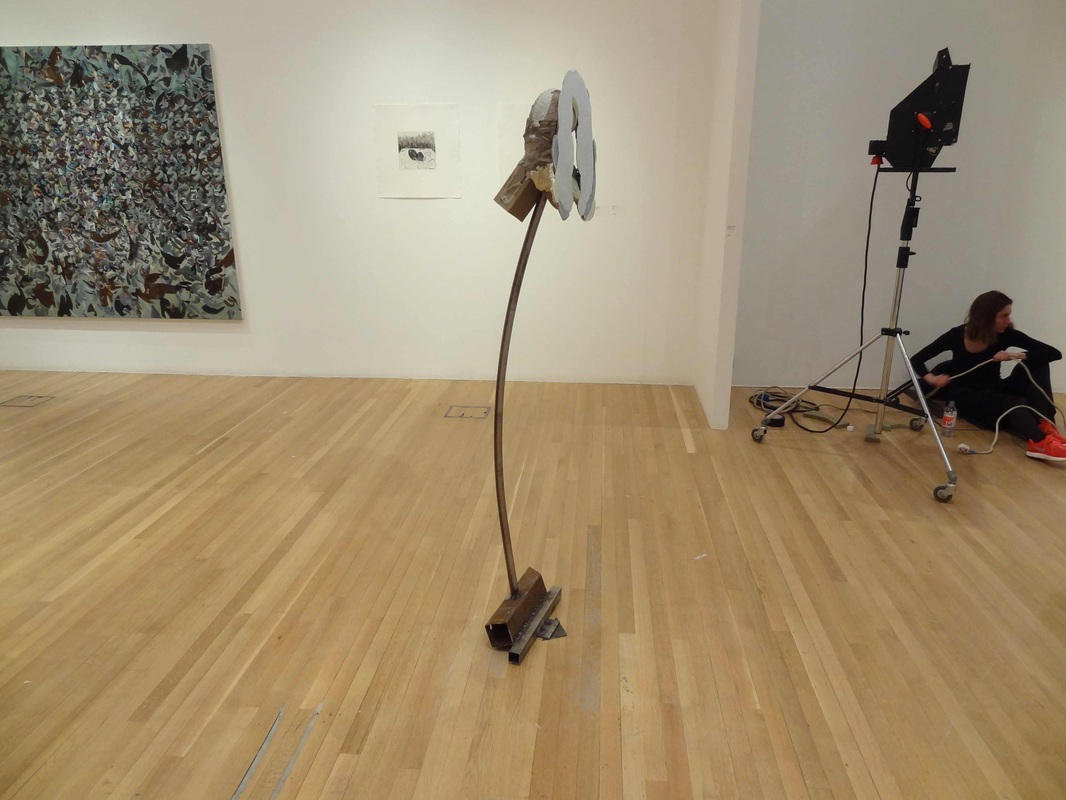
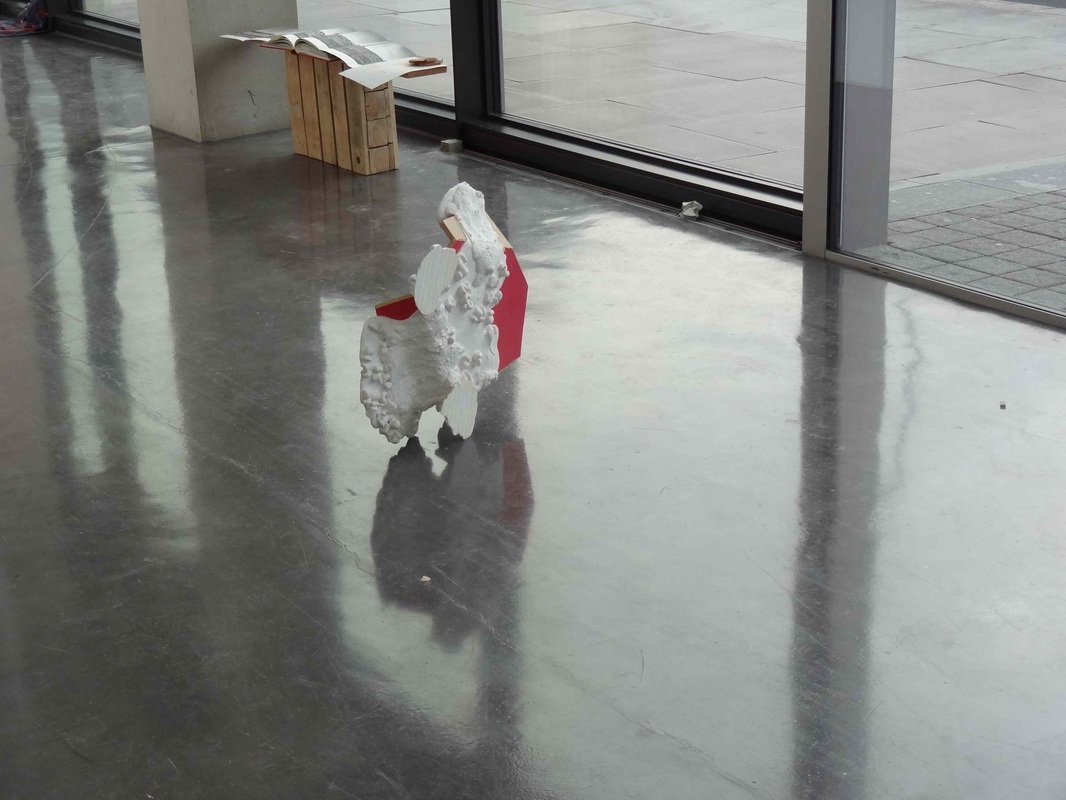
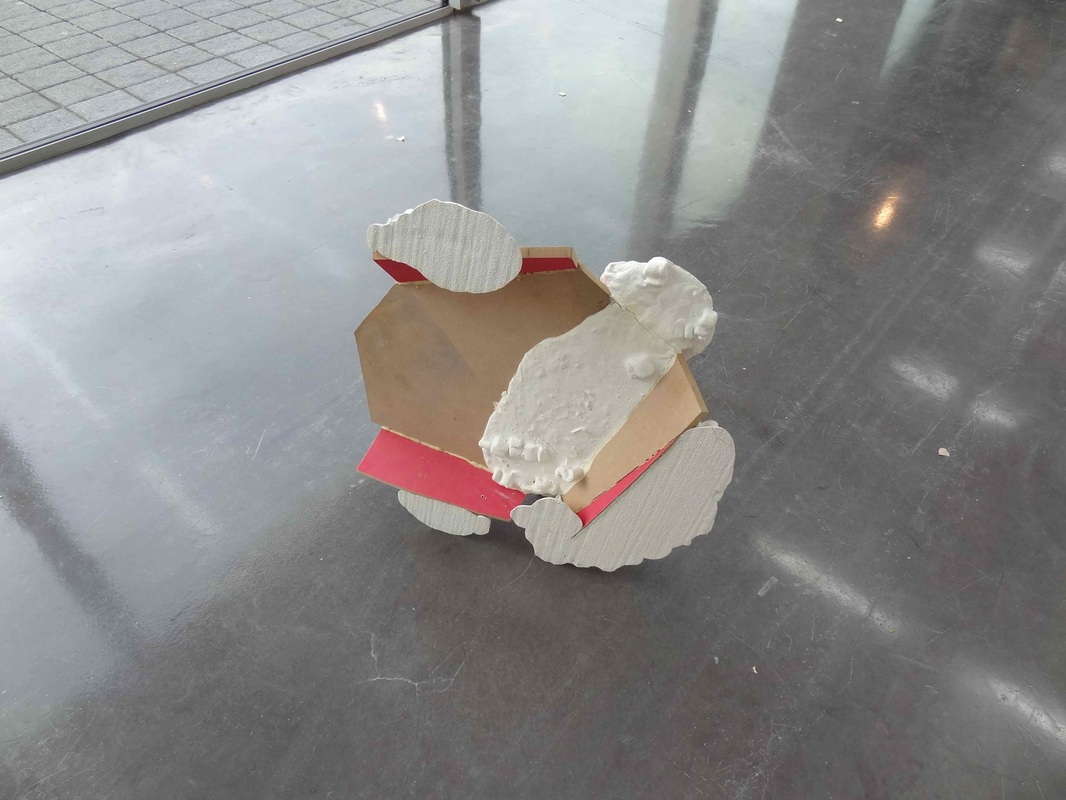
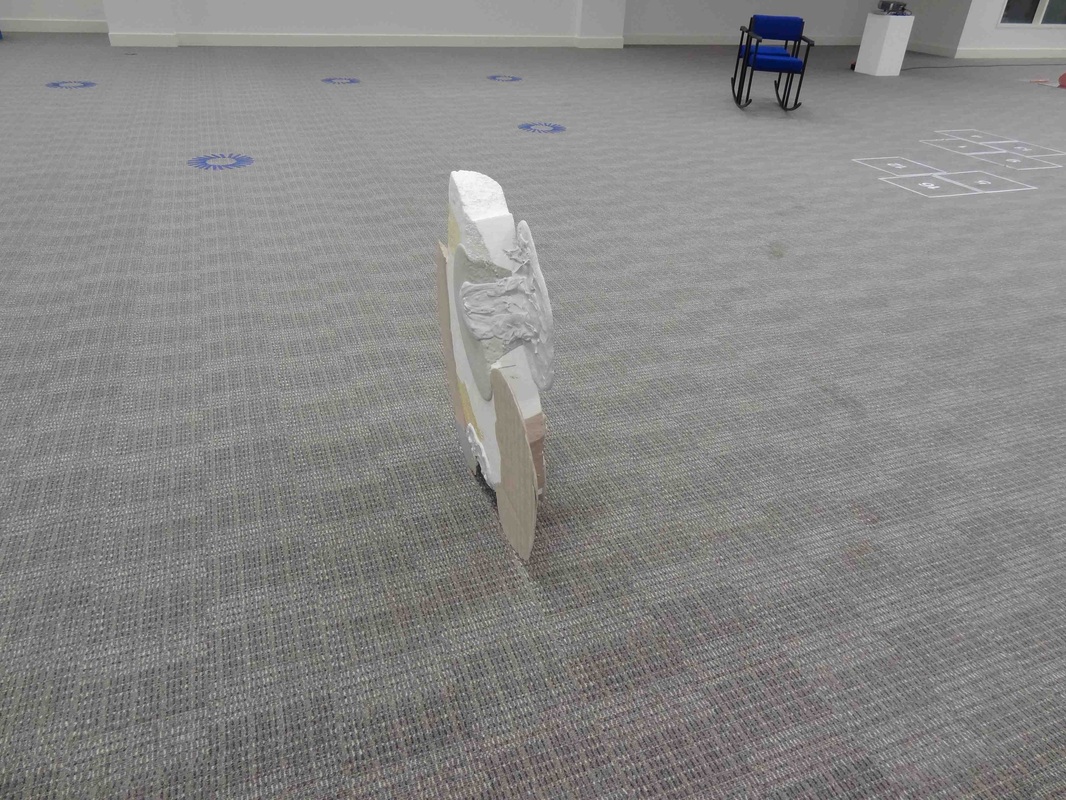
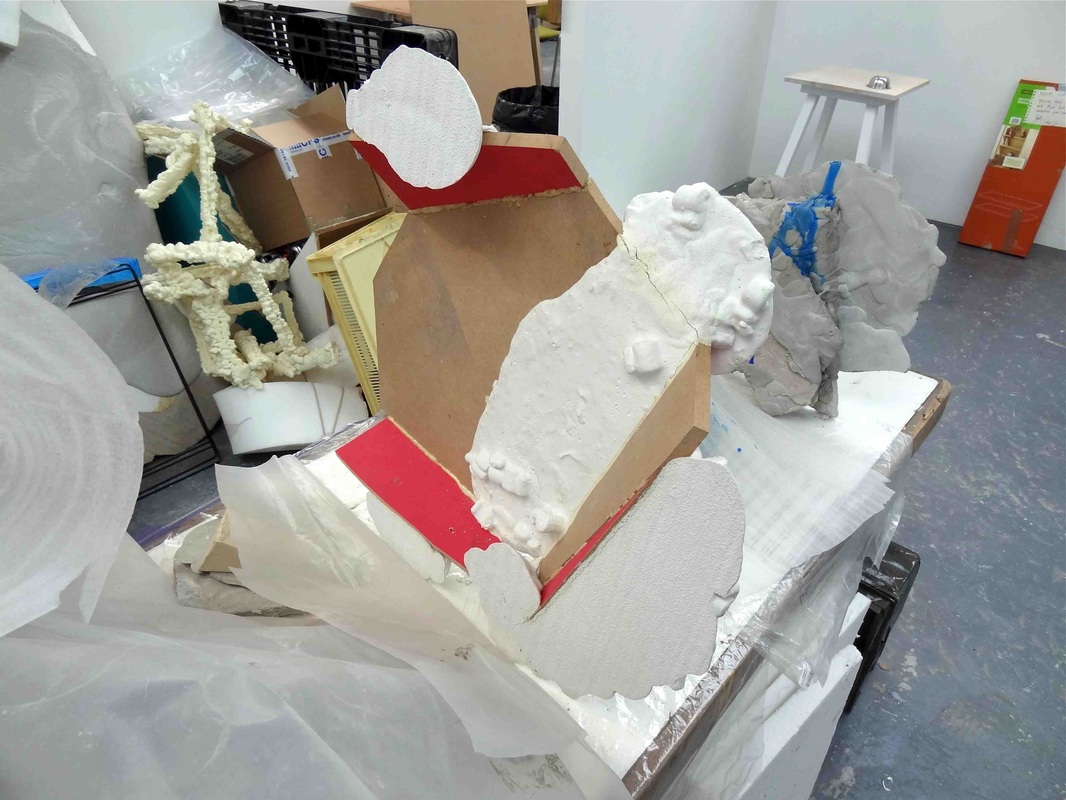
Had you walked into my studio two weeks ago, you would have seen this:
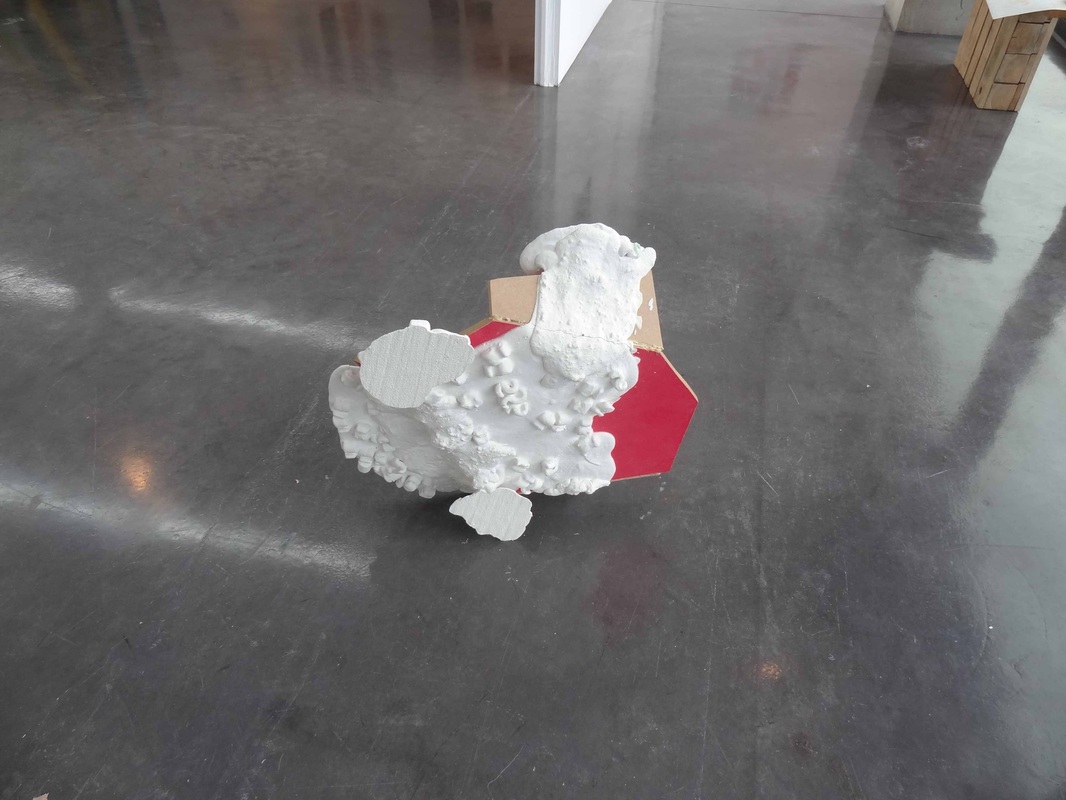
And if you popped in today, it would look more like this:
Had you walked into my studio two weeks ago, you would have seen this: And if you popped in today, it would look more like this: Add Comment This is easily going to be my largest post so far, but maybe the image below will justify it for you as much as it did for me. This wooden chariot is Rato (Red) Machhendranath's temple chariot. Machhendranath is the Nepali Hindu god that protects the Kathmandu Valley and controls the rains and the monsoon. The people of Patan, who often mix Hindu and Buddhist beliefs without batting an eyelid, also consider him an incarnation of Avalokiteshvara, the Buddha of compassion. The crucial part is Machhendranath's control over the rains. If you want a good crop, you have to build him a towering temple chariot and pull it by hand through the streets of Patan. (As I write this, it's already pouring down. Result.) I had heard stories about how much taller the chariot used to be and how people had been crushed to death by its fall. Nowadays, the height is capped to avoid accidents, but the chariot and its construction still kept me geekily hooked, following the progress and asking too many questions. The smiley man in the blue cap below, Rameswar, not only answered them all, but also invited us to have dinner with his family to celebrate the completion of the chariot. Thanks again, Rameswar. The chariot is made of wood, bamboo (used as ropes to tie up and cover the structure), steel (wheel axes) and natural fiber ropes. The majority of hard parts get replaced every twelve years, some every six. The structure starts going up, following a plan fine-tuned through generations. The chariot makers are all volunteers and their knowledge is handed down from father to son. Bamboo strips are brutally and beautifully woven around the wooden structure. Next, the wheels go in. And then the ropes to control the tilt of the whole tower. More trunks are added to cover the basic structure, and the wheels and the main platform are painted in a reddish orange. A few miles of bamboo strips and a gilded temple fascia complete the coverage of the structure. And in case you needed more visual kudos, here's a huge trunk in the shape of a giant ski to front the chariot. The final touches are added while the crowd gathers to celebrate the end of the construction process. The chariot is used in the same location as a temporary temple for a couple of days. And then it's time to move it - or at least try. E la nave va. Day by day, sneaking around the city streets. The procession can take weeks, but there's no hurry. Every night, wherever the chariot stops, a holy place springs up. Sculpture, performance, social/relational art, faith and rain. Materiality and spirituality still getting on. To buy sheet metal and long rods, you go to a hardware yard and hop your way through characterfully unstable piles of metal. You find a delivery guy, let him strap everything onto his pick-up bike and then sit on top, ready to be pedaled to your studio together with your shopping. To buy clay, you go to a town full of potters (like Bhaktapur) and ask one of them to divert some of his stash to your rucksack. To buy plywood, you repeat the circus act explained above. For smaller stuff, you get yourself a bike. I'm finally in my residency studio at the Kathmandu Contemporary Arts Centre. Loads of space and a massive adjacent garden with views onto the nearby pagodas in Durbar Square. I'm still impressed, no matter how many times I've been there. The garden and the studio are at the back of Patan Museum. Here's a view of the museum's entrance on Durbar Square: And here's a walk-through video that takes you from a local cafe in the square all the way into my studio: Yesterday was Navavarsha, the Nepali New Year's Day. The Nepalese follow their own calendar system, known as the Bikram Era or Bikram Sambat and based on the lunar and solar calendars. The actual day in their calendar is 1st of Baisakh (a month that straddles April and May). Unlike Gregorian months, the lengths of Nepali months are not predetermined, and change from year to year, varying from 29 days to 32 days. (Thanks, Google.) So off we went to Patan's Durbar Square, to hang around and see what the locals do. Namely: sit around in the sun, drink, carry around some portable shrines and generally be mellow. Yes! I've been accepted at the Royal College of Art! The nitty-gritty: it's a sculpture MA, it's two years long and it starts this October. And I'm stupidly pleased. I've been a fan of this Sculpture Department and this college for quite a while. We even share initials. And now I'm in. All I can possibly say is: yay! NY-based, Puertorrican artist Pepón Osorio has been recently working in a new project in Kathmandu, invited by the Kathmandu Contemporary Arts Centre, which is where I'm having my residency. His projects take him into human communities and literally into people's homes, as a way of accessing their culture and exposing sensitive issues in those communities, be it the Puertorricans in the Bronx or the Newaris in Kathmandu. In the talk he gave prior to the opening of his show, he confessed to be more interested in the implications of art-making than in the art itself. He often starts his projects without really knowing if the result will be art or something else. The project itself earns its status as art afterwards, independently from Osorio's will. I particularly liked when he remembered his first years in art, after obtaining his MA from Columbia. He'd go to the big galleries in New York and feel that the art he was supposed to revere didn't speak to him. His answer was to get a studio and work in isolation for five years, without visiting a single show or museum. One day, a stubborn curator convinced him to have a solo show in a community museum, which led to his participation in the 1993 Whitney Biennial. His work was taken straight from his studio into major collections, without ever being represented by a gallery. Quite an alternative path to the usual art rat race. My residency at the Kathmandu Contemporary Arts Centre will finally start in mid-April. I'll post some photos when I'm installed there. In the meantime, these are some of the studios I've had since arriving in Nepal. This torso of Avalokiteshvara, made in Nepal around the 17th century, is completely made from flat copper sheet. The technique used is called "repoussé", French for 'pushed again'. It's a form of embossing in which the craftsman has to create volume from a flat metal surface by hammering alternatively from the front and the back. Working like this is so demanding and unforgiving (very difficult to rectify mistakes, unlike lost wax metal casting) that it's been mainly abandoned outside of Nepal. The Newari people of Patan, my adoptive neighbourhood, keep the tradition alive. You can see its products everywhere, not only as sacred images, but also as architectural embellishments. Here's a metalsmith's reference manual from the 18th century. It explains how to join together the different sections of a sculpture and contains many useful tips, for instance that when affixing the head to the torso it should be slightly tipped down. The joins are dovetailed seams with rivets at either end, to make sure they don't split open. They are mainly concealed at the back of the sculpture, but some are visible from the front. The same 2D to 3D magic is applied by different craftsmen to make everyday products, like trunks, extraction chimneys or money boxes. Sit down in one of these workshops and behold perfect geometric volumes puffing up from galvanised tin sheet, all done by hand. It makes me think of the 3D printing revolution (RepRap and similar printers): one single material input (polymer, sheet metal), any 3D output. DIY, open-source 3D printers may radically change the way we make stuff, just like the Industrial Revolution did. Meanwhile, in Kathmandu, 3D printers have a name and may offer you a nice cup of tea, if you're lucky. As some of you know... I got an interview at the RCA!!! I applied for their sculpture MA before going to Nepal and they told me about the interview a week ago. So I flew in from Nepal last Saturday to walk through this door and meet Richard Wentworth and Nigel Rolfe. The interview took double the allocated time (a good sign, I hope) and was a great experience in itself. I won't hear about it until beginning of April. Fingers and toes crossed. |